Guide
Cycling in Mallorca from February to April: Sa Calobra, Puig Major, Formentor and what to expect
Cycling in Mallorca in spring and winter: Sa Calobra, Puig Major and Formentor, weather month by month, bike rental and guided rides from our directory.
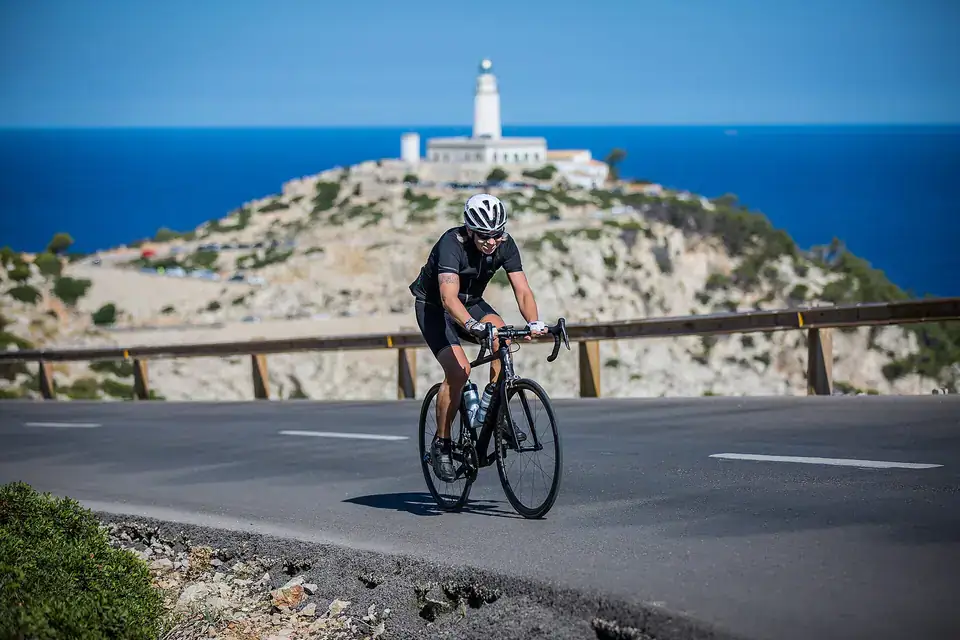
February, March and April are when Mallorca fills up with cyclists: mild temperatures, good light and the mountain roads of the Serra de Tramuntana without the summer heat. The classic climbs are Sa Calobra, Puig Major and Cap de Formentor, and you can tackle them on a rental bike, on a guided ride or on an organised cycling week.
This guide pulls together what actually helps you plan: how long and how steep each climb is, what the weather and daylight are like month by month (AEMET data for Palma airport), which bikes and guided rides are in our directory and what to know before you roll out. For Sa Calobra on foot or by boat, and for hiking, see our other guides.
When to go: weather and daylight, month by month
November averages around 19 °C by day, 8 °C at night and about 6 rainy days, with dusk at about 17:35. December and January are the coldest and shortest months: highs of 16 and 15 °C, lows of 5 and 4 °C and sunset before 18:00. February rises to 15.4 °C with almost six hours of sun a day and about 5 rainy days; March reaches 17.5 °C with 6.5 hours of sun; April approaches 20 °C, with 7.8 hours of sun a day and sunsets around 20:30.
These are AEMET figures for Palma airport (1981-2010), so on the mountain passes it will be a little cooler and, above all, windier and colder on the descents. A windproof layer and arm warmers fit in any jersey pocket. Another practical point comes from our own catalogue: the coach and boat excursions that reach Sa Calobra and Formentor start in April or May, so in February and March you share the road with less tourist traffic.
The three classic climbs: Sa Calobra, Puig Major and Formentor
Sa Calobra is the most famous: about 9.4 kilometres of climbing from the sea to the Coll dels Reis, at an average gradient of 7 %, with ramps of 11 to 12 % at the steepest and about 670 metres of ascent; figures vary by a few metres depending on the source, and around 26 hairpins are quoted, including the knotted bend known as the tie. It is an out-and-back ride, so the effort is the climb on the way home. Guided-cycling operators advise riding it early or late because of the coaches.
Puig Major is the island's longest climb: about 14 kilometres at 6 % on average, with ramps near 9 %, on the Ma-10 from the Sóller valley. Formentor is a different kind of ride: from Port de Pollença to the lighthouse it is about 40 kilometres there and back with roughly 850 metres of climbing in total; the first stretch, up to the Sa Creueta viewpoint, is about 3.3 km and 220 m of ascent, and beyond that point the surface gets worse, with potholes and loose stones.
A classic multi-day plan links all three from a base in Sóller or Pollença. For a single day, Sa Calobra from Sóller or Pollença makes more sense than from the east coast: from Playa de Muro it is about 55 km to Sa Calobra.
Guided road cycling week (Sa Calobra and Puig Major)
A week of guided road rides in small groups with a ride leader and support van, including Sa Calobra and Puig Major.
Closed on Saturdays and Sundays according to Google
Renting a bike and riding with a guide: what is in the directory
Huerzeler rents road bikes at its Playa de Muro station, which in 2026 is open from 13 February to 1 November; you will not find that station open in January or December. In Sóller, Tramuntana Tours rents everything from road bikes to e-MTBs and runs guided excursions all year according to its listing, with bikes returned at Port de Sóller. Sportive Breaks offers guided weeks with a support van and an ex-professional among its guides; it is priced in pounds, 499 to 699 GBP a week as published.
If you prefer off-road, CAMIBIKE runs guided MTB or e-MTB rides on the east coast, with separate programmes for spring and autumn, summer and winter, guides in German or English and prices of 79 € with your own bike, 98 € on a full-suspension bike and 114 € on an e-bike. Book early in February and March, when most riders are on the island.
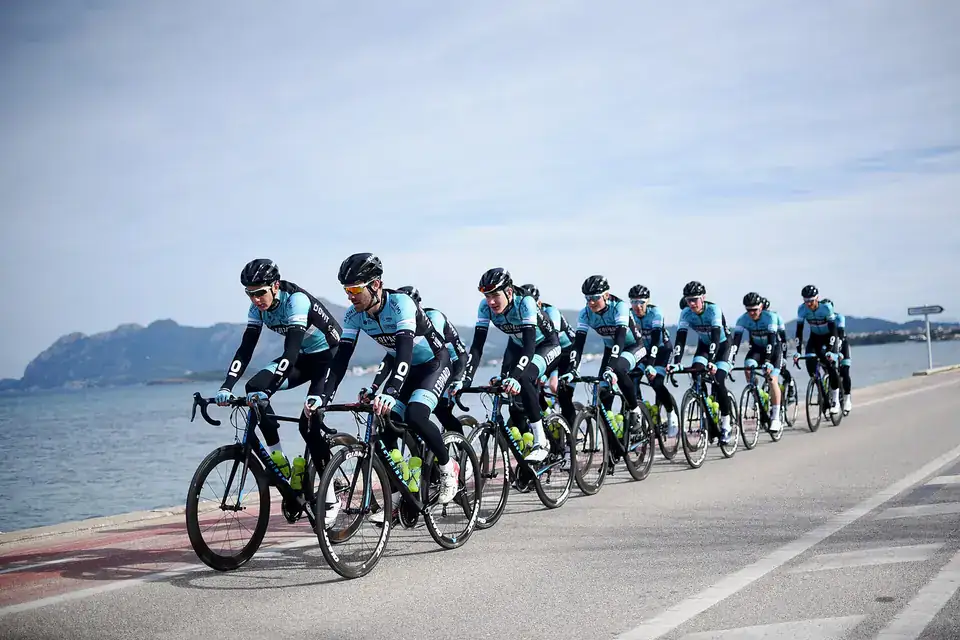
Road bike rental in Playa de Muro (Huerzeler)
Road and e-road bike rental station on the Playa de Muro promenade, a launch point for Sa Calobra and Formentor.
Bike rental and guided excursions from Sóller
Bike rental fitted to the rider (road, MTB, eMTB) and guided excursions in the Serra de Tramuntana from Sóller.
Closed on Sundays according to Google
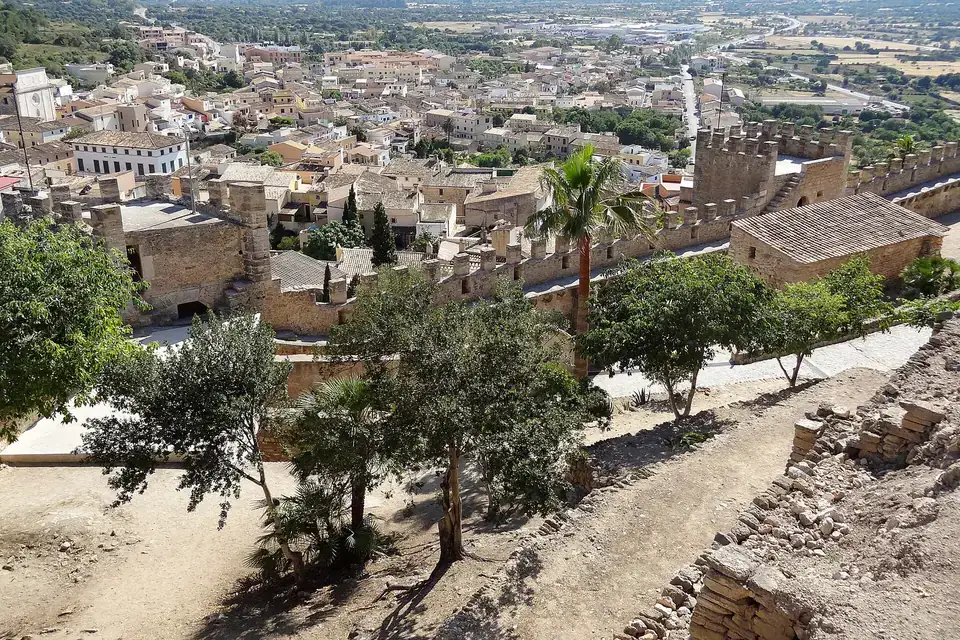
Guided MTB or e-MTB tour of eastern Mallorca with CAMIBIKE
Tours with a professional guide in German or English from Cala Millor; EUR 79 with your own bike, EUR 98 with a premium fully and EUR 114 with a premium e-fully.
Closed on Saturdays and Sundays according to Google
Guided road cycling week (Sa Calobra and Puig Major)
A week of guided road rides in small groups with a ride leader and support van, including Sa Calobra and Puig Major.
Closed on Saturdays and Sundays according to Google
Easy days: e-bikes and guided rides
Not every day is a mountain day. An e-bike is a good way to recover: from Inca there is a half-day ride on quiet tracks among olive, carob and almond trees to villages at the foot of the Tramuntana, with a stop at an oil mill. In Palma there are flat rides through the old town and past the cathedral with tapas, and an e-bike outing that climbs to Bellver Castle, lasting 2.5 to 3 hours.
One useful detail: the Call&Ride old-town tour in Palma leaves every day of the year at 10:30 according to its listing, and Palma Bicycle Tours lists German among its languages. Published prices run from about 59 to 75 euros.
Half-day e-bike tour through quiet inland villages from Inca
A guided 4 to 5-hour e-bike ride on quiet back roads to small villages, with a visit to an olive mill.
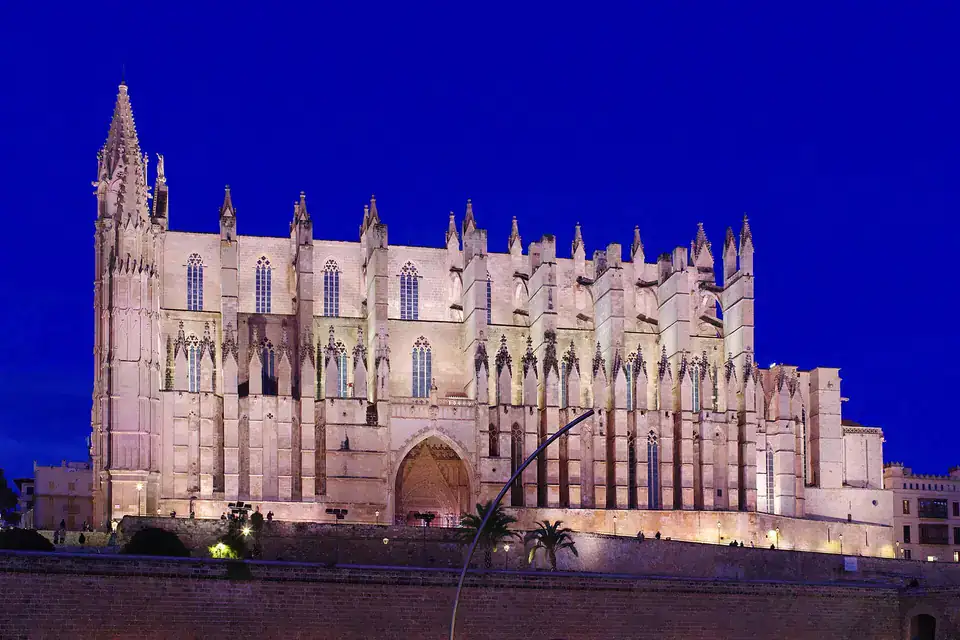
Guided e-bike tour of Palma and Bellver Castle
Three hours on an electric bike with a guide through the old town, the seafront and the Bellver area.
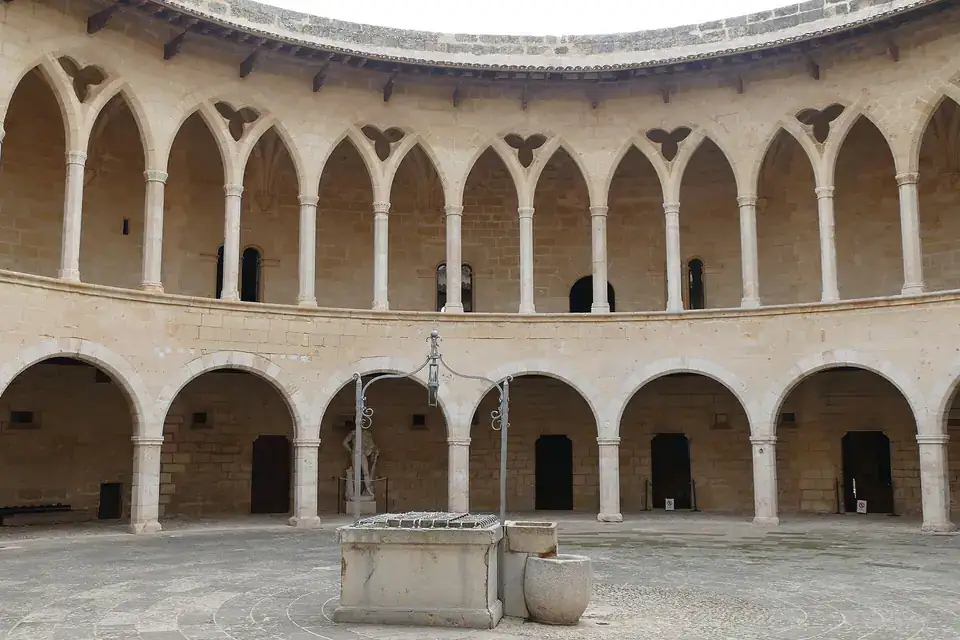
Palma Forest & Old Town: e-bike ride and hike at Bellver Castle
2.5-hour electric-bike route through Palma's old town and Bellver forest with a walk around the castle; EUR 75 per the website.
Closed on Sundays according to Google
Guided bike tour of Palma with tapas (2.5 hours)
Guided 2.5-hour bike ride through Palma's old town and waterfront with a tapas tasting; EUR 61 per the website.
Closed on Sundays according to Google
Guided bike tour of Palma's old town with tapas
A 3-hour guided bike ride through the historic centre, past the cathedral, city wall and La Lonja, finishing with tapas.
After the ride: spa and recovery
After a day of climbs, hot water feels good. In Palma, the Son Armadams spa offers a thermal circuit of about 90 minutes with sauna, steam bath and hydromassage, open every day; in the south-west, the Elba Sunset Thalasso Spa admits outside visitors and, according to its website, opens Monday to Friday in winter. If you want to add a relaxed train ride, the Sóller train is listed in our directory with a season from February to December.
SPAi Son Armadams (Hotel Isla Mallorca & Spa)
90-minute thermal circuit at SPAi Son Armadams
Spa circuit with sauna, steam bath, hydromassage and an activity pool in Palma, on its own or with breakfast, lunch or a massage.
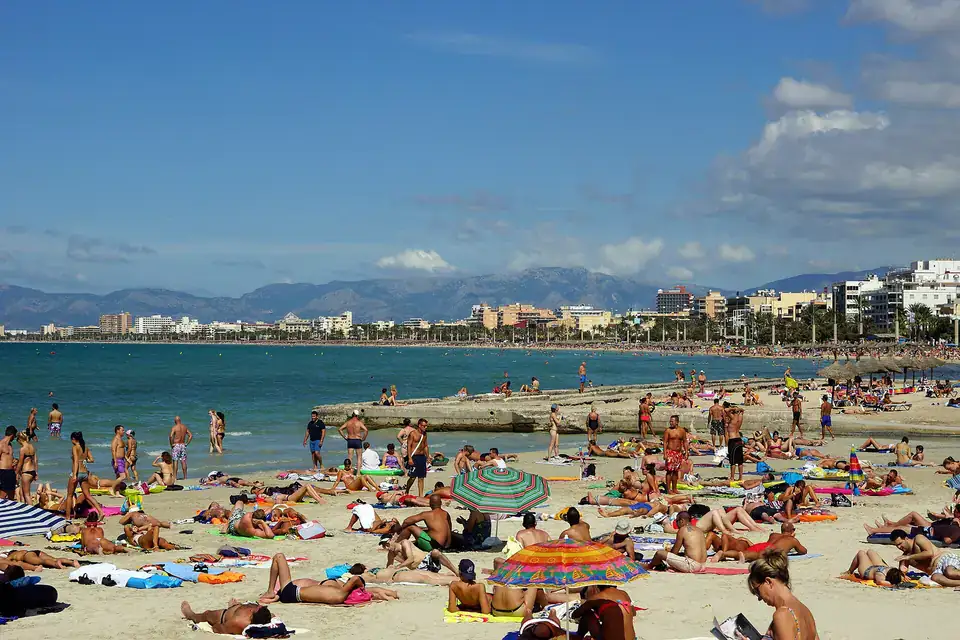
Thalasso Spa Elba Sunset Mallorca
Breakfast and thalasso circuit at Elba Sunset (Palmanova)
Day pass with breakfast and a 60-minute spa circuit at a hotel above the Bay of Palma, open to non-guests with prior booking.
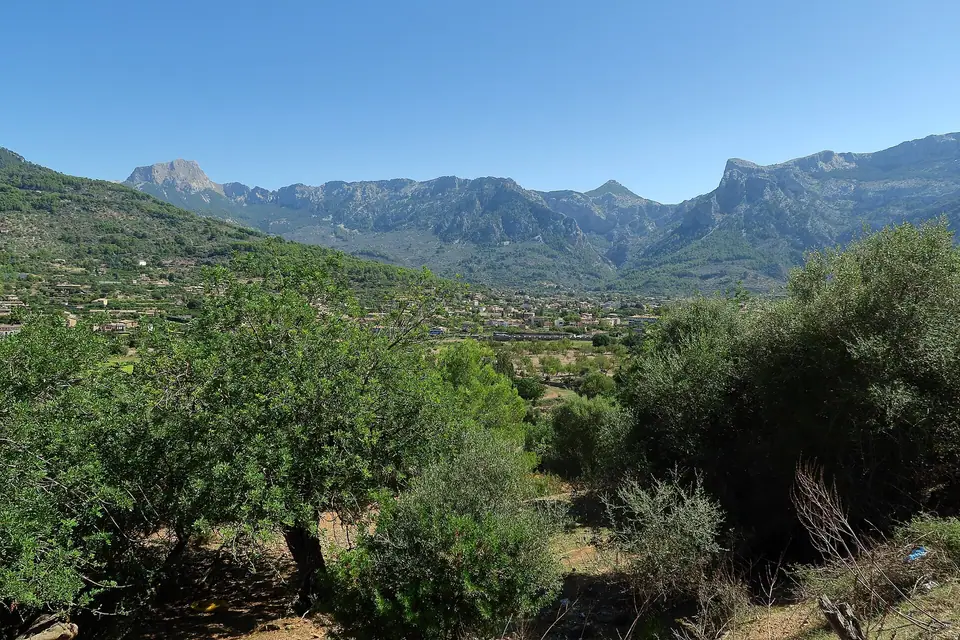
Historic Palma–Sóller train and tram
Ride century-old wooden carriages from Palma to Sóller, with an optional tram continuing to the port.
Practical tips and the Mallorca 312
Helmet and traffic: under Spanish rules, cyclists must wear a helmet on roads outside built-up areas, with exceptions on long climbs or in intense heat, and drivers must leave at least 1.5 metres when overtaking; always check the current DGT rules before you go. Carry a spare tube and a pump, front and rear lights, because it gets dark early, and enough water: some climbs do not have a single cafe halfway up.
At the end of April the Mallorca 312 takes place, a cyclosportive starting and finishing in Playa de Muro with three routes of 167, 225 and 312 kilometres; the 2026 edition was on Saturday 25 April with about 8,500 riders. In the week before, the mountain roads are busy: for peace and quiet, plan your trip for February or March.
Frequently asked questions
What is the best month for cycling in Mallorca?
March and April combine highs of 17 to 20 °C with 6.5 to 7.8 hours of sun a day and longer days. February works if you pack warm layers and do not mind dusk before 18:30. Towards the end of April, the week of the Mallorca 312, the roads are busier.
Can you rent a road bike in winter?
It depends on the operator. Huerzeler's Playa de Muro station is open in 2026 from 13 February to 1 November, so it is closed in December and January. In Sóller, Tramuntana Tours lists year-round opening; always confirm availability and size before you go.
How long is the Sa Calobra climb?
About 9.4 kilometres from the sea up to the Coll dels Reis, at an average gradient of 7 % and about 670 metres of ascent. Sources give slightly different figures, so treat these as approximate.
Are there guided bike tours in German?
Yes. CAMIBIKE (Cala Millor) lists guides in German and/or English, Palma Bicycle Tours includes German among its languages and Call&Ride works in English, Spanish and German. Languages can vary by departure, so confirm when booking.
Is a helmet compulsory?
In Spain a helmet is compulsory for cyclists on roads outside built-up areas, with exceptions on long climbs, for medical reasons or in intense heat; in towns it is compulsory for under-16s. Check the current DGT rules, and wear a helmet on every descent.
The months this guide covers
Seasonal newsletter
Mallorca ideas for every month, in your inbox
What to do, which town to visit and what is at its best, season by season. No filler, and you can unsubscribe in one click.
More guides
- From Palma airport to your hotel: how to get there by bus, taxi, private transfer or hire car
- Almond blossom in Mallorca: when, where and which routes to do in January and February
- Car hire in Mallorca without surprises: insurance, excess, deposit and what to check at pick-up and return
- Boat trips in Mallorca: which one to pick, region by region
- Cabrera boat trip: boats from Colònia de Sant Jordi, how long it takes and what to see
- Catamaran trips in Mallorca: daytime, sunset or glass-bottom
- Cycling in Mallorca: guided bike tours, road bike hire and e-bike routes
- Caves of Drach: what the visit is like and how it compares with Hams, Artà and Génova
- Dolphin watching in Mallorca: boat trips, sunrise outings and honest expectations
- Private boat trips in Mallorca with a skipper: llaüts, motorboats and yachts by port
- Day trips from Cala Millor: glass-bottom boats, jeep tours, the Caves of Drach and family days out
- Day trips from Cala Ratjada: boats, snorkelling, the Artà caves and tours with pick-up
- Mallorca excursions: which organised day trip to choose and where from
- Mallorca ferry: from the mainland, between the islands (Ibiza, Menorca) and what counts as public service
- Winter festivals in Mallorca, November to February: Dijous Bo, Christmas, Three Kings, Sant Antoni and Sant Sebastià
- Golf in Mallorca: 12 eighteen-hole courses with green fees and seasons
- Jeep safari Mallorca: buggy, quad, jeep and trike tours compared
- Kayaking in Mallorca: guided tours to sea caves, coves and Dragonera
- Things to do in Mallorca with kids: by area and age
- Mallorca in winter, November to February: what is open, what closes and plans that work
- What to do in Mallorca when it rains: indoor ideas by area
- Mallorca without a car: how to get around by bus, train and bike, and which areas work well
- Sunset boat trips in Mallorca: catamaran, yacht, llaüt or kayak, port by port
- Things to see in Mallorca: the must-see sights, area by area
- Sa Calobra by boat from Port de Sóller, and the other ways to get there
- Dragonera island: getting there by boat from Sant Elm or Port d'Andratx, by kayak or with a guide
- Mallorca by scooter or motorbike: which licence you need, what the rules say and which routes to ride
- Hiking in Mallorca: guided and self-guided walks in the Tramuntana and beyond
- Snorkelling in Mallorca: boat trips, kayak tours and coves by area
- Scuba diving in Mallorca: try dives for beginners and boat dives for certified divers
- The Sóller train: how it works, what it costs and how to combine it with the tram and boat
- Sailing trips in Mallorca: half-day, private and multi-day, port by port
- Mallorca wine tours: where to visit a winery and taste, area by area
- Free and cheap things to do in Mallorca
- Easy, low-effort things to do in Mallorca