Mallorca guide
Things to see in Mallorca: the must-see sights, area by area
Things to see in Mallorca: 33 sights by area, with a map. Why go, when, how to get there and how long to allow, from the top 10 to lesser-known gems. Sourced.
Mallorca is far more than beaches: a mountain range with World Heritage status, a Gothic cathedral on the seafront, caves with underground lakes, stone villages, lighthouses at the ends of the island and coves you can only reach on foot. This guide brings together 33 places worth the trip, arranged by area so you can plan a day in each one without crossing the island end to end.
For every place we explain why it is worth it, when to go, how to get there and how much time to allow. Practical details (opening hours, prices, access rules) come from our listings and from the sources cited under each place; anything we could not confirm we do not present as fact. Prices and hours change, so check the listing or the official website before you go.
- Nature 11
- Towns and villages 12
- Culture and history 14
- Beaches and coves 5
- Viewpoints 8
The top 10 must-sees
Our editorial pick, not a popularity vote: if it is your first time in Mallorca, start here.
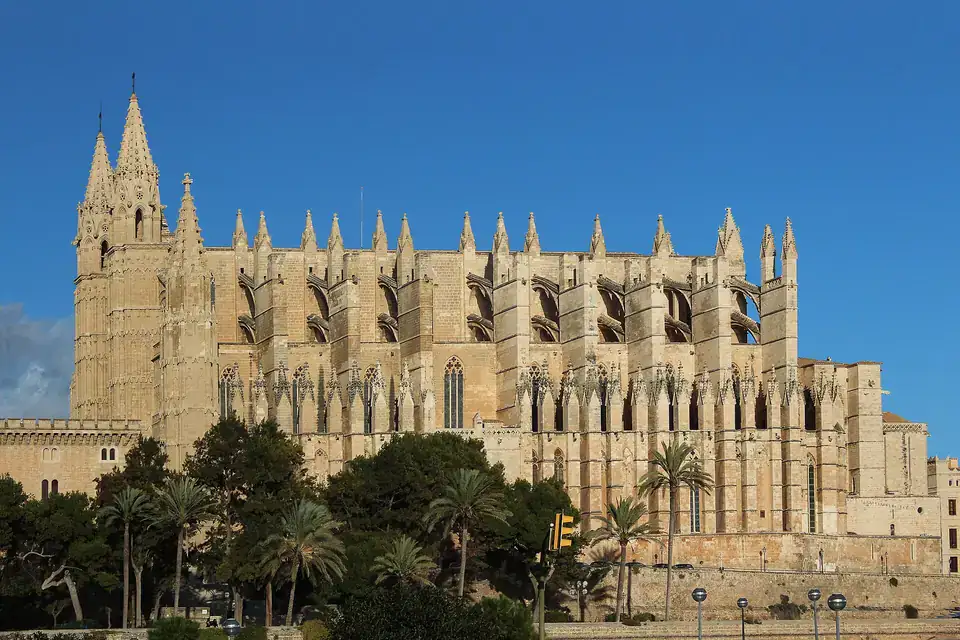
- 1Palma Cathedral (La Seu)Gothic on the seafront, with a huge rose window and traces of Gaudí and Barceló.
- 2Sa Calobra and Torrent de PareisA gorge between walls over 200 m high that ends at the sea.
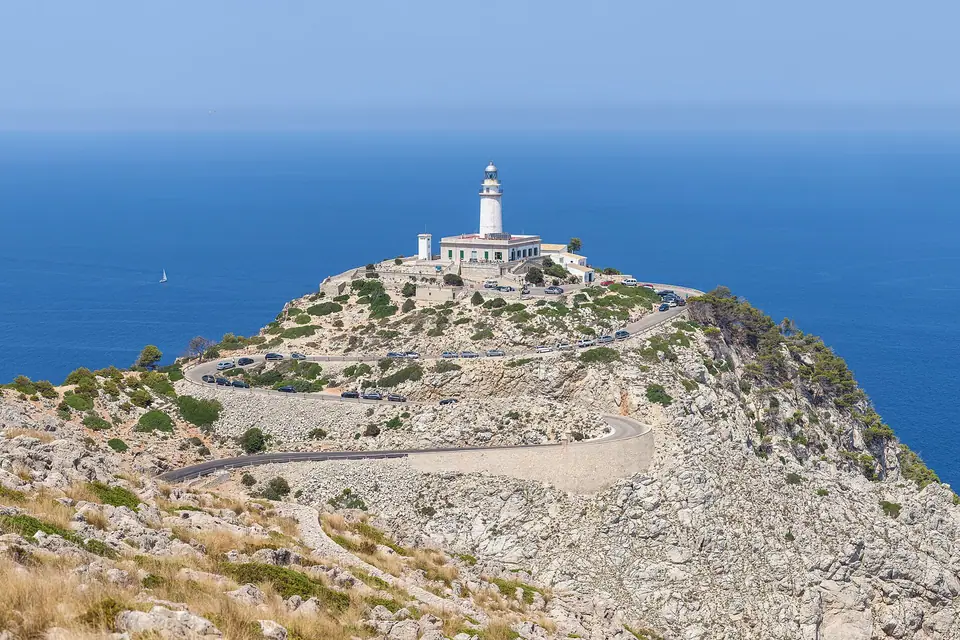
- 3Cap de FormentorA peninsula of cliffs ending at an 1863 lighthouse.
- 4Valldemossa and the CharterhouseStone, green shutters and the charterhouse where Chopin spent the winter of 1838.
- 5Sóller, its train and Port de SóllerA wooden train from Palma, a tram through orange groves and an almost enclosed bay.
- 6Caves of Drach and HamsAn underground lake where live music is played from boats.
- 7Caló des MoroThe cove from the photos: tiny, turquoise and reachable only on foot.
- 8Es Trenc and the SalobrarWhite sand, untouched dunes and a nature park behind them.
- 9Alcúdia: town walls and PollentiaMedieval walls and, right next door, the ruins of a Roman city.
- 10DeiàTerraced houses among olive trees, Robert Graves's grave and a fishermen's cove.
Palma
The capital is best explored on foot: cathedral, palace, old town and castle all fit into one day, and almost everything works in winter and on rainy days too.
01Culture and historyTop 10 · 1
Palma Cathedral (La Seu)
It is the defining image of Palma: the Gothic cathedral rises beside the sea and is mirrored in the lake of Parc de la Mar. Inside, the great rose window known as the “Eye of the Gothic” floods the nave with coloured light, and Gaudí's alterations (1904–1914) sit alongside Miquel Barceló's chapel. Depending on the ticket, the visit includes the museum and the roof terraces.
- When to go
- In the morning, when the light through the rose windows is best and crowds are thinner. It is closed to sightseeing visits on Sundays and public holidays. All year
- Getting there
- In central Palma, facing the sea; an easy walk from anywhere in the old town.
- Time needed
- 1 to 1.5 h
In the Atlas
Sources: catedraldemallorca.org, ca.wikipedia.org
02Culture and history
Royal Palace of La Almudaina
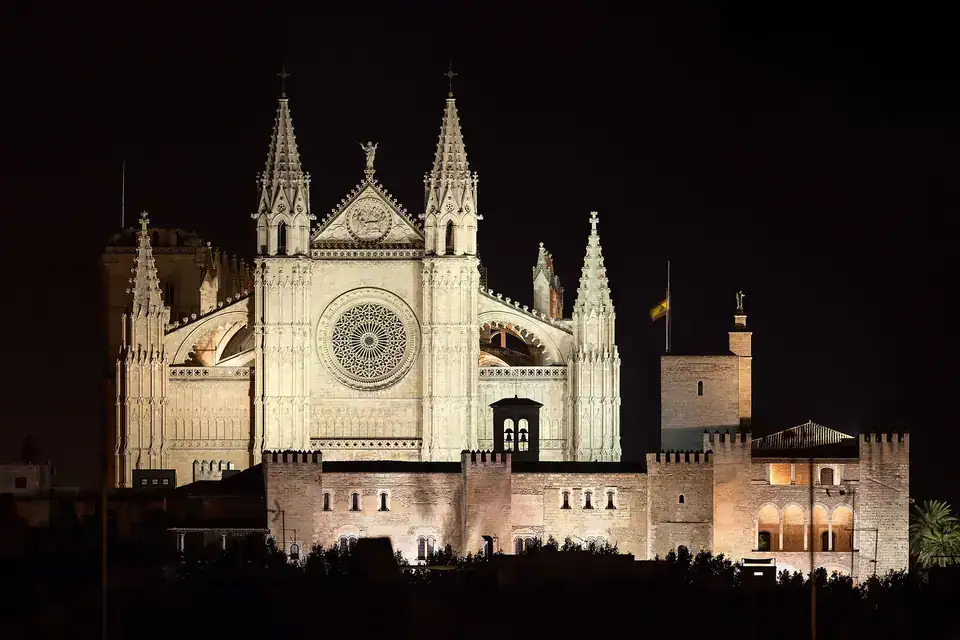
Directly opposite the cathedral stands the fortress-palace of Moorish origin that later became the residence of the kings of Mallorca. You walk through halls and courtyards, and it is the natural companion to La Seu. Patrimonio Nacional reopened it in July 2026 after restoration work.
- When to go
- Pair it with the cathedral on the same day; a good choice in winter or when it rains. All year
- Getting there
- In central Palma, right next to the cathedral.
- Time needed
- 45 min to 1 h
In the Atlas
03Culture and historyTowns and villages
Palma old town and the Arab Baths
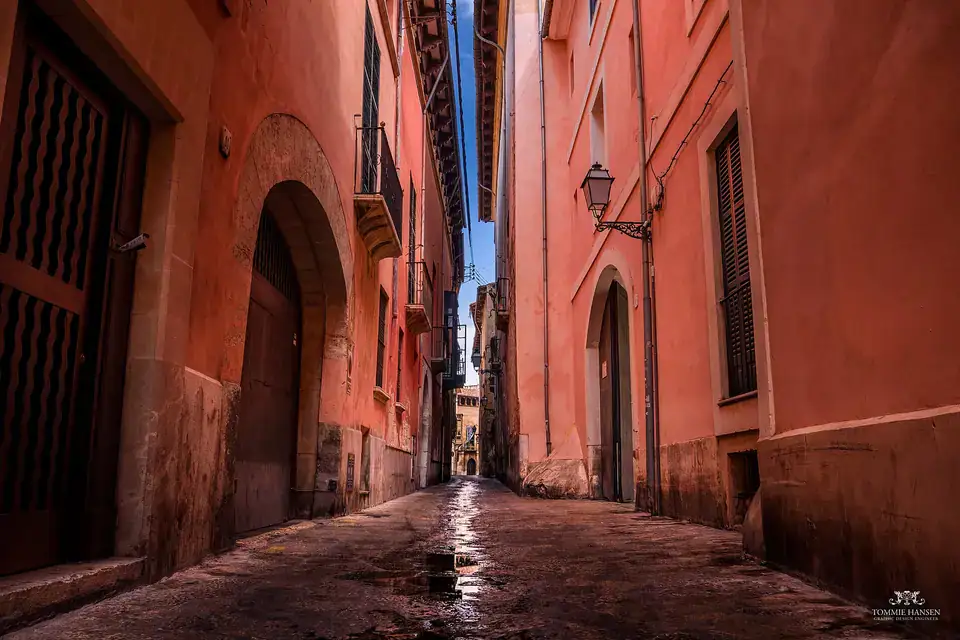
Behind the cathedral begins a maze of stone streets with grand courtyards. Hidden in a garden a few minutes from La Seu, the Banys Àrabs preserve a domed room on columns from Islamic Palma. On the edge of the city walls, Es Baluard shows modern art inside a Renaissance bastion by the sea, and Mercat de l'Olivar is open Monday to Saturday mornings.
- When to go
- Mornings for the market; the streets are enjoyable all year, ideally outside the hottest hours in summer. Best months: JanFebMarAprOctNovDec
- Getting there
- On foot from the cathedral. A tip-based free walking tour of about two hours runs from Plaza Mayor to the cathedral and the walls.
- Time needed
- Half a day
In the Atlas
Sources: seemallorca.com, mallorca.com, illesbalears.travel
04Culture and historyViewpoints
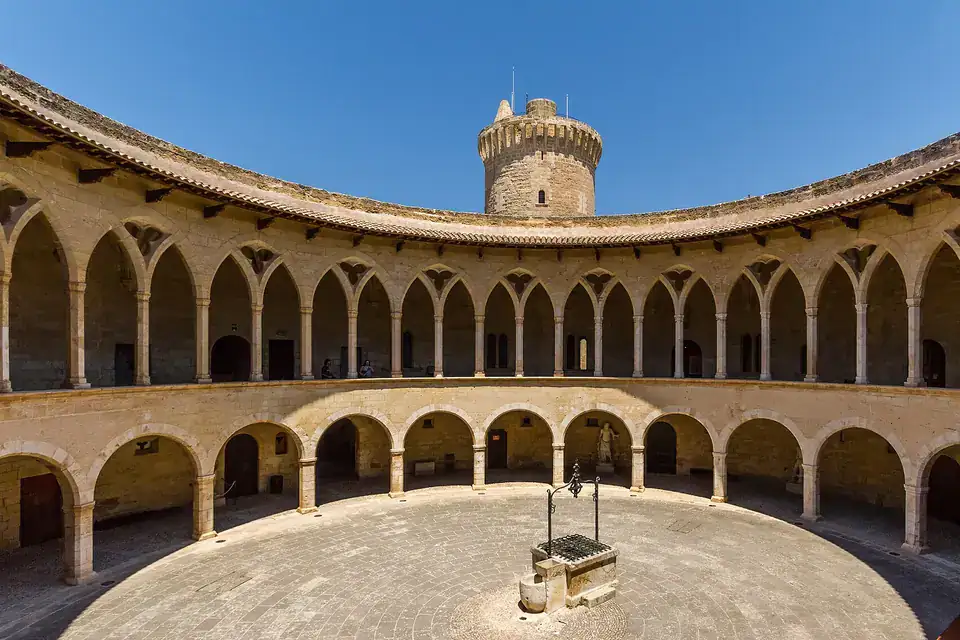
Bellver Castle
A Gothic castle with a circular plan, unusual in Europe, on top of a wooded hill. From the terraces you see the whole Bay of Palma with the cathedral in the distance. Entry is cheap: 4 euros according to two 2026 sources, and several guides say it is free on Sundays.
- When to go
- Late afternoon for the light over the bay; in summer avoid midday on the terraces. Best months: JanFebMarAprMayOctNovDec
- Getting there
- On a hill west of central Palma; walk up through the woods or drive to the gate.
- Time needed
- 1 to 1.5 h
In the Atlas
- Bellver Castle · from €4
- Things to do in Palma
Sources: castelldebellver.palma.es, planomato.com
Serra de Tramuntana
The mountain range in the north-west has been a UNESCO World Heritage cultural landscape since 2011: terraces, dry-stone paths and villages clinging to the hills above the sea. If you only have a few days, this is the area not to miss.
Serra de Tramuntana: tours and activities
05Towns and villagesCulture and historyTop 10 · 4
Valldemossa and the Charterhouse
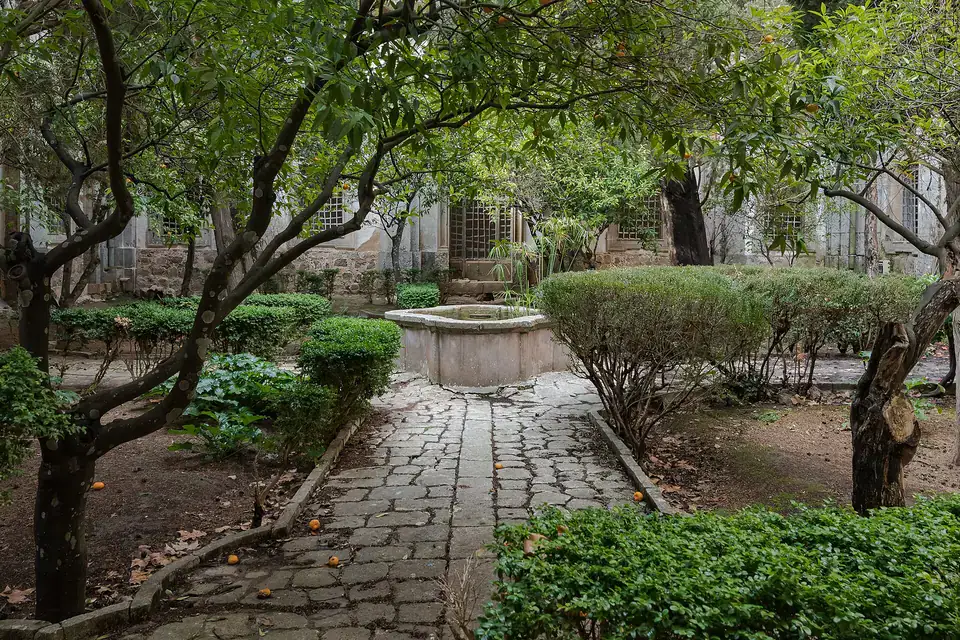
The most photographed village in the Tramuntana: stone lanes, green doors and the Charterhouse tower clad in tiles. The Royal Charterhouse began as King Sanç's palace in 1309 and belonged to the Carthusian monks from 1399; Chopin and George Sand stayed there in the winter of 1838–39. The Archduke's Path, one of the finest walks in the range, starts from the village.
- When to go
- Early or mid-afternoon, after the coaches leave. On 28 July the Carro Triomfal of the Beata parades through town, and the Chopin Festival takes place in August, as it has since 1930. Best months: MarAprMayJulAugOctNov
- Getting there
- By car on the mountain road or by bus: TIB line 203 links Palma, Valldemossa, Deià and Port de Sóller. (16 km from Palma as the crow flies)
- Time needed
- 2 to 3 h
In the Atlas
Sources: ca.wikipedia.org, spain.info, tib.org
06Towns and villagesTop 10 · 10
Deià
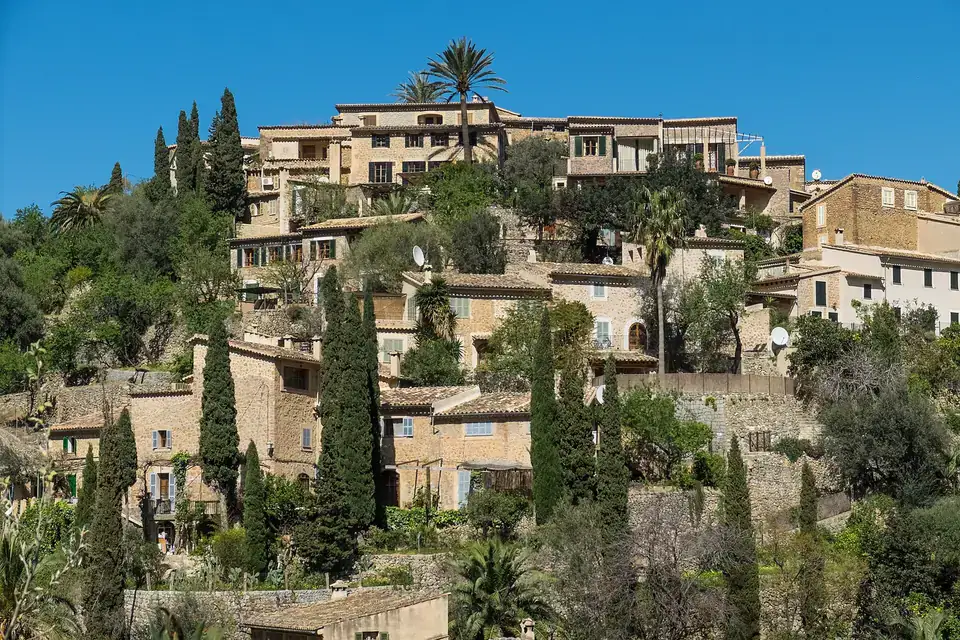
Stone houses stepped among olive groves, a church on the hilltop and the sea right below. Beside the church is the small cemetery where Robert Graves lies; he lived in Deià from 1929 until 1985, and his house, Ca n'Alluny, is now a museum. Below, Cala de Deià is a pebble cove between cliffs still used by fishermen.
- When to go
- Spring and autumn. In summer the International Music Festival, founded in 1978, holds concerts. Best months: AprMayJunJulAugSeptOct
- Getting there
- Along the coast road between Valldemossa and Sóller, or on TIB bus line 203. (20 km from Palma as the crow flies)
- Time needed
- 2 h (more if you walk down to the cove)
In the Atlas
Sources: ca.wikipedia.org, fundaciorobertgraves.org, tib.org
07ViewpointsCulture and history
Son Marroig and Sa Foradada
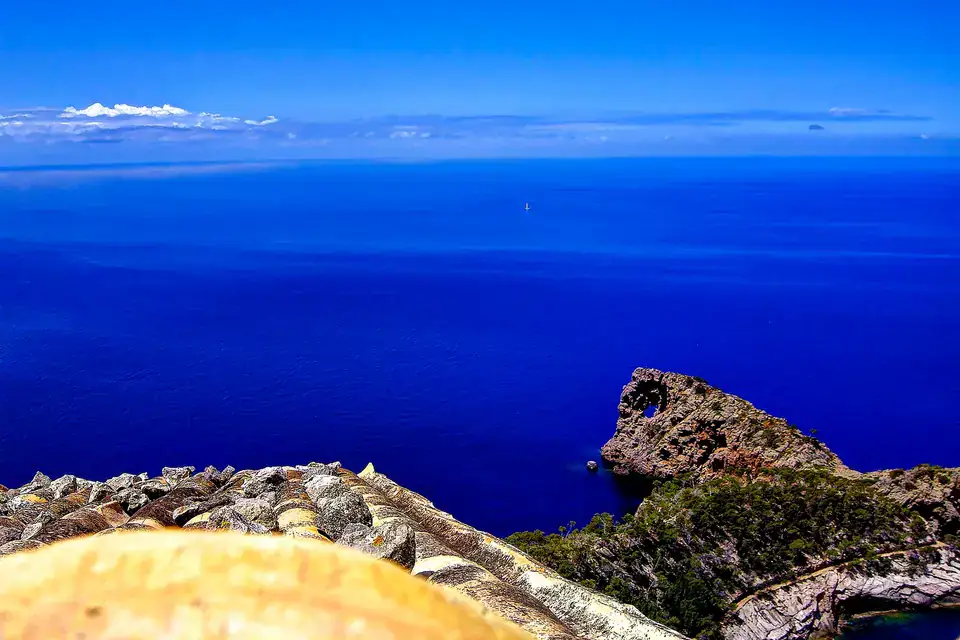
Archduke Ludwig Salvator's former house is now a museum with gardens and a marble rotunda overlooking the sea. From here you look down on Sa Foradada, the rocky headland pierced by a huge hole: one of the island's most famous sunsets. In summer it often hosts the Deià festival concerts.
- When to go
- At sunset, to see Sa Foradada in the low light; check the museum's hours on its website. Best months: AprMayJunJulAugSeptOct
- Getting there
- On the coast road between Valldemossa and Deià. Boats with a swim stop also run from Port de Sóller to Sa Foradada. (20 km from Palma as the crow flies)
- Time needed
- 1 h
In the Atlas
Sources: sonmarroig.com, ca.wikipedia.org
08Towns and villagesTop 10 · 5
Sóller, its train and Port de Sóller
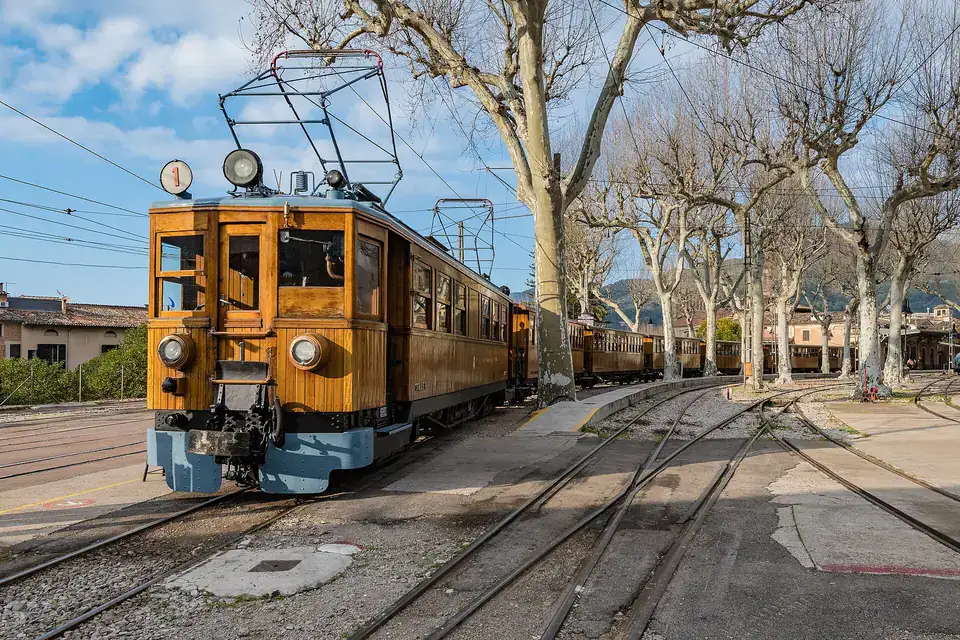
A valley of orange groves among mountains, reached by a wooden train that has run since 1912 and crosses the range through tunnels, the longest 2,856 metres. In Sóller it connects with the tram, opened in 1913 as Mallorca's first electric one, which runs about 4.9 km through orchards down to Port de Sóller, an almost enclosed bay guarded by two lighthouses. In town, Can Prunera is a modernista museum.
- When to go
- According to our listing the train runs from February to December; mid-morning departures are the busiest. There is a market on Saturday mornings, and the Firó festival is held in May. Best months: MarAprMayJunSeptOct
- Getting there
- By train from its own station in Palma by Plaça d'Espanya, or by car through the Sóller tunnel. Tram tickets are bought on board. (23 km from Palma as the crow flies)
- Time needed
- A full day
In the Atlas
Sources: trendesoller.com, trendesoller.com, ca.wikipedia.org, ca.wikipedia.org
09Towns and villages
Fornalutx
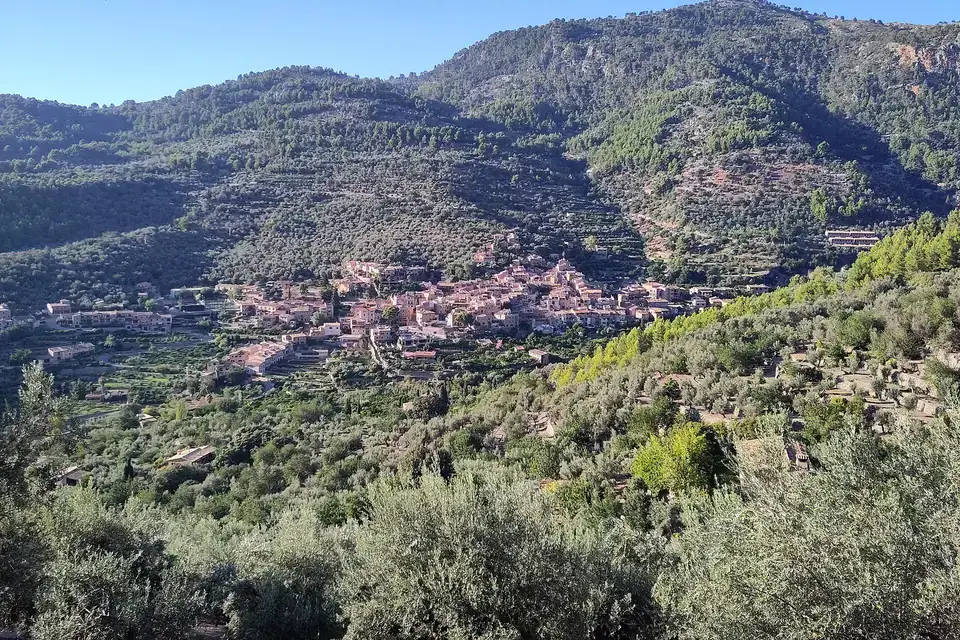
At the head of the Sóller valley, at the foot of Puig Major, Fornalutx is a small village of stone houses and red roofs surrounded by orange and lemon trees. Its cobbled lanes climb in steps, and footpaths lead from the centre to viewpoints over the valley. It regularly appears on lists of Spain's most beautiful villages.
- When to go
- February to May, with the orange trees and mild temperatures, or in autumn. A guided walk in German explores the orange valley. Best months: FebMarAprMayOctNov
- Getting there
- Very close to Sóller, by road or on foot from town. Park at the entrance: the centre is steep and pedestrian. (25 km from Palma as the crow flies)
- Time needed
- 1 to 2 h
Sources: ultimahora.es, hoteles.net
10NatureBeaches and covesTop 10 · 2
Sa Calobra and Torrent de Pareis
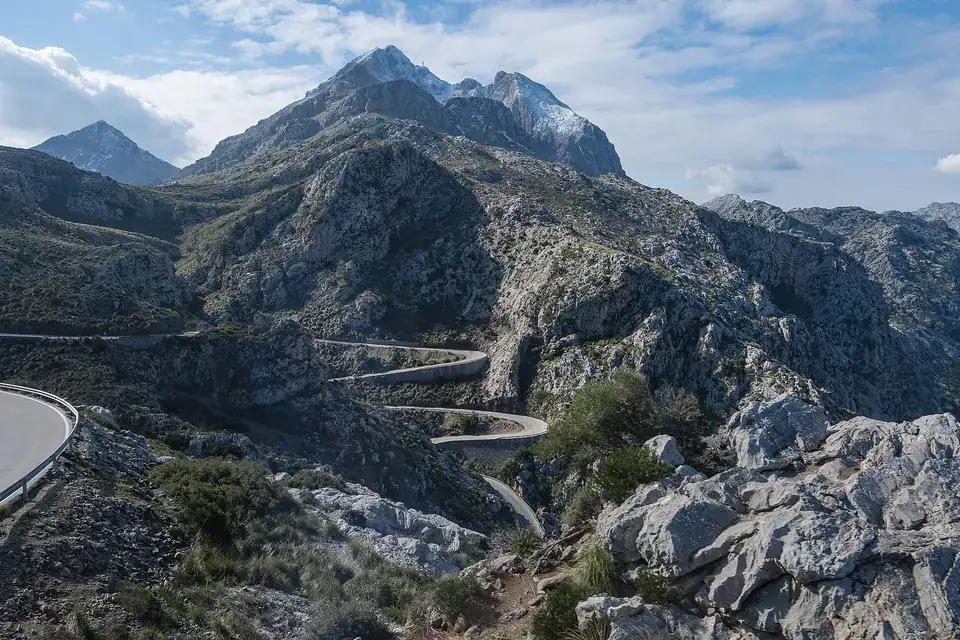
A tiny cove on the north coast and, a few minutes' walk away through tunnels cut into the rock, the mouth of the Torrent de Pareis: a pebble beach between walls more than 200 metres high. You arrive either on a road famous for the “Nus de sa Corbata”, a bend that loops under itself, or by boat from Port de Sóller beneath the cliffs.
- When to go
- May, June, September and early October. Go early: by mid-morning boats, coaches and cars all arrive at once. The boat runs roughly from April to October and does not sail in heavy swell. Best months: AprMayJunSeptOct
- Getting there
- By boat from Port de Sóller (about 2.5 h with a swim stop), on the mountain road (fill up first; the last petrol station is in Caimari) or on foot down the gorge with a guide. (34 km from Palma as the crow flies)
- Time needed
- Half a day (5–7 h hiking the gorge)
In the Atlas
Sources: ca.wikipedia.org, ca.wikipedia.org, palmaweekly.com
11Culture and historyNature
Lluc Monastery
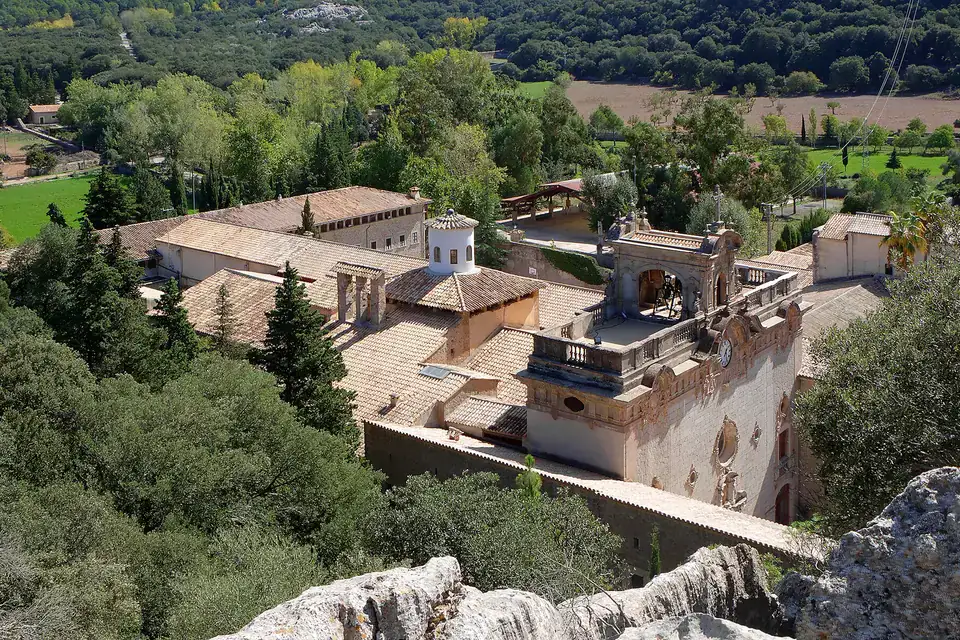
Mallorca's great sanctuary lies in the heart of the range, between Puig Major (1,436 m) and Massanella (1,364 m). The Blavets, a boys' choir singing since 1531, still give the basilica its voice. The church and gardens are free, and the museum costs 8 euros according to a 2026 listing. It is also a starting point for walks.
- When to go
- Spring or autumn. The Blavets usually sing at midday: check that day's schedule. Best months: MarAprMayJulAugSeptOctNov
- Getting there
- On the mountain road (Ma-10) or from Inca via Caimari. Combines well with Sa Calobra. (35 km from Palma as the crow flies)
- Time needed
- 1 to 2 h
In the Atlas
- Lluc Sanctuary · from €8
- Things to do in Escorca
Sources: ca.wikipedia.org, mallorca.com, mallorca.com
12Nature
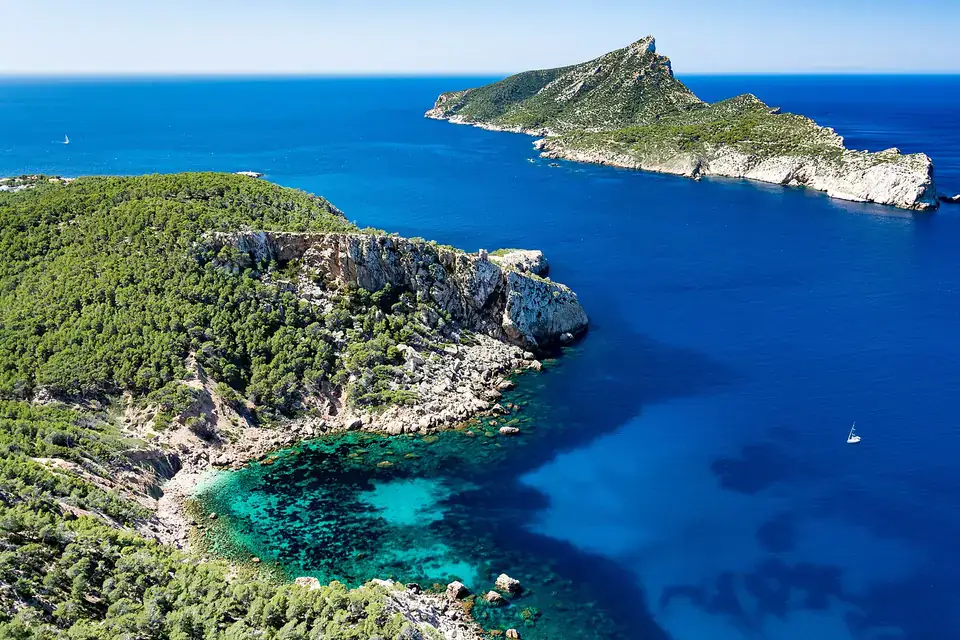
Sa Dragonera from Sant Elm
An island about 4 km long with no residents, a nature park since 1995 and home to a lizard found nowhere else. Footpaths lead to the lighthouses with the outline of Mallorca opposite. Sant Elm, where the boat leaves, marks the western end of the range.
- When to go
- March to October, when the boat runs according to our listing; in summer, go in the morning. Places are limited, so book ahead. Best months: MarAprMayJunJulAugSeptOct
- Getting there
- Boat from the Sant Elm jetty, a crossing of about 15 minutes. Cruises also run from Santa Ponça. (29 km from Palma as the crow flies)
- Time needed
- Half a day
In the Atlas
Sources: ca.wikipedia.org, sacalmaboats.com
The north: Pollença, Formentor and Alcúdia
Cliffs at Formentor, a town with a cypress-lined stairway, medieval walls next to a Roman city and the island's great wetland, all around two bays.
Pollença & Formentor: tours and activities · Bay of Alcúdia: tours and activities
13ViewpointsNatureBeaches and covesTop 10 · 3
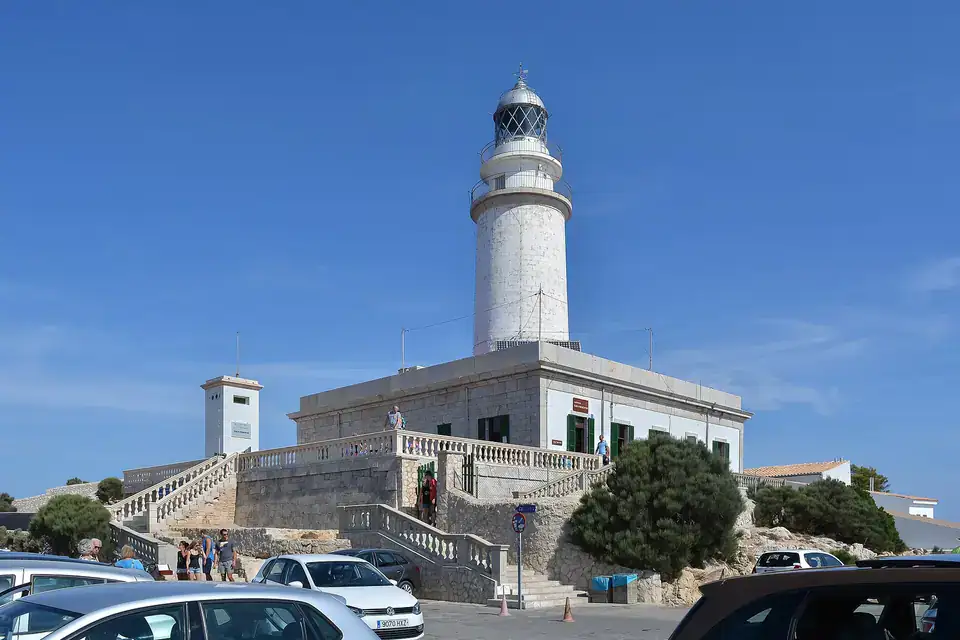
Cap de Formentor
The island's northern peninsula is a succession of cliffs above deep blue water. The road, almost 20 km long and a dead end, passes the Mirador des Colomer (also called Mal Pas), facing the islet of the same name, and Formentor beach, before ending at the lighthouse, in service since 30 April 1863.
- When to go
- Spring and autumn. Note: in 2026, from 15 May to 18 October, traffic to the lighthouse is restricted from 10:00 to 22:00 according to Spain's traffic authority (DGT); private cars may only reach the beach car park until it is full, and a TIB shuttle bus runs up. Best months: AprMayOctNov
- Getting there
- From Port de Pollença on the Ma-2210, by the seasonal shuttle bus, or on the ferry to Formentor beach (about 30 minutes). (65 km from Palma as the crow flies)
- Time needed
- Half a day
In the Atlas
Sources: dgt.es, ca.wikipedia.org, mallorca.com, en.wikipedia.org
14Towns and villagesViewpoints
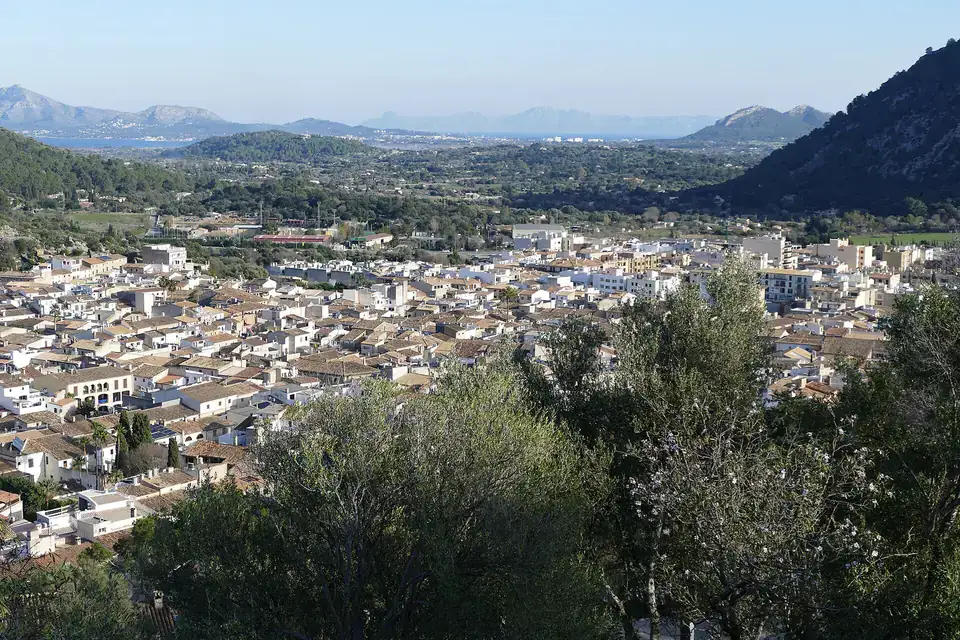
Pollença and the Calvari steps
The Calvari stairway, lined with cypresses and Stations of the Cross, climbs 365 steps (the figure varies by source) to a small church overlooking the town and the bay. Every Good Friday, in the Davallament, the figure of Christ is carried down those steps by torchlight. Below, the square and old-town streets are among the most pleasant in the north.
- When to go
- Early morning or late afternoon. There is a market on Sunday mornings, and the Moros i Cristians festival on 2 August. Best months: MarAprMayAugOct
- Getting there
- Park on the edge of the old town and walk in; the steps are stone and not suitable for pushchairs. (46 km from Palma as the crow flies)
- Time needed
- 1.5 to 2 h
In the Atlas
Sources: mallorca.com, ca.wikipedia.org
15Towns and villagesCulture and historyTop 10 · 9
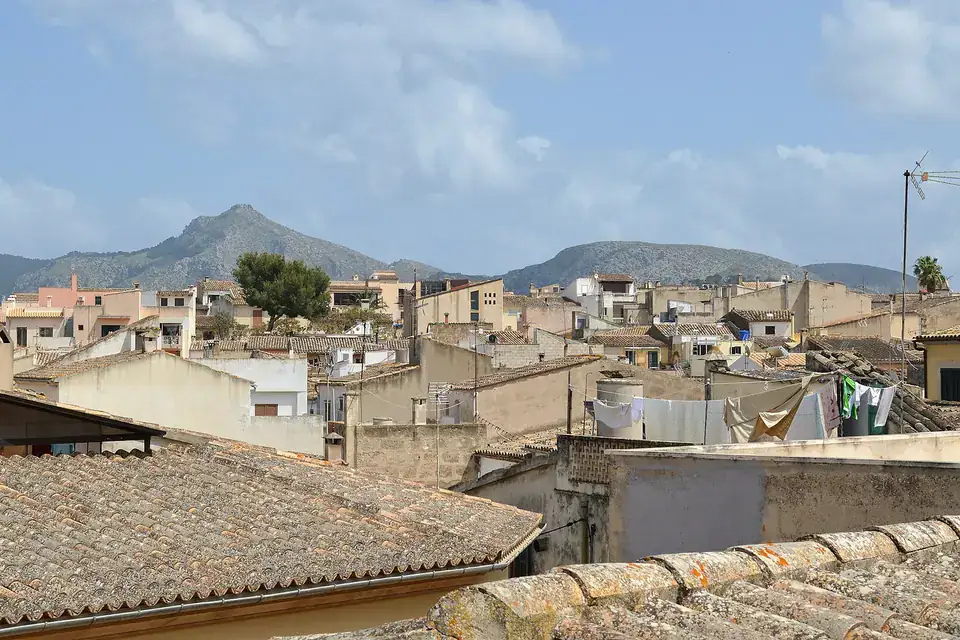
Alcúdia: town walls and Pollentia
The walls were begun in 1298 under Jaume II and finished in 1362; you can walk along parts of them and enter through the Porta del Moll or the Porta de Mallorca. A few minutes' walk away is Pollentia, one of the two cities the Romans founded on Mallorca, with its theatre, forum and residential quarters, plus a small museum in the old town.
- When to go
- Tuesday morning, market day in the old town (the local guide also lists Sunday). In early October, the Fira d'Alcúdia fair. Best months: MarAprMayJunSeptOct
- Getting there
- From Palma, TIB line 302 serves Alcúdia and the whole bay. Walk the walls first, then finish at Pollentia. (51 km from Palma as the crow flies)
- Time needed
- 2 to 3 h
In the Atlas
Sources: ca.wikipedia.org, mallorca.com, seemallorca.com
16Nature
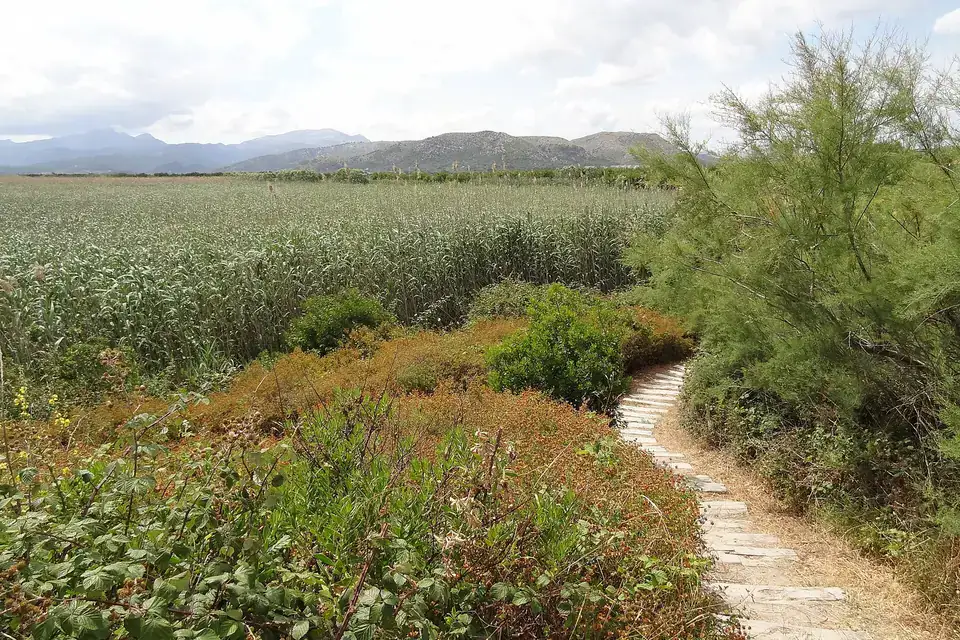
S'Albufera Nature Park
Canals, reed beds and bird hides a short walk from Muro beach. It is the most important wetland in the Balearics and a nature park since 1988: some 300 bird species have been recorded and more than 10,000 birds spend the winter here. Entry is free with registration, and warden-led walks run on Saturday mornings.
- When to go
- Early morning, especially in winter and spring, the best seasons for birds. Best months: JanFebMarAprMayOctNovDec
- Getting there
- Between Port d'Alcúdia and Can Picafort. Explore on foot or by bike along the marked paths; drones are not allowed. (46 km from Palma as the crow flies)
- Time needed
- 2 to 3 h
Sources: caib.es, ca.wikipedia.org, mallorca.com
The east (Llevant)
Caves with underground lakes, a castle with views to Menorca, prehistoric settlements and small harbours. The caves open all year and are the classic rainy-day plan.
Llevant (east): tours and activities
17NatureTop 10 · 6
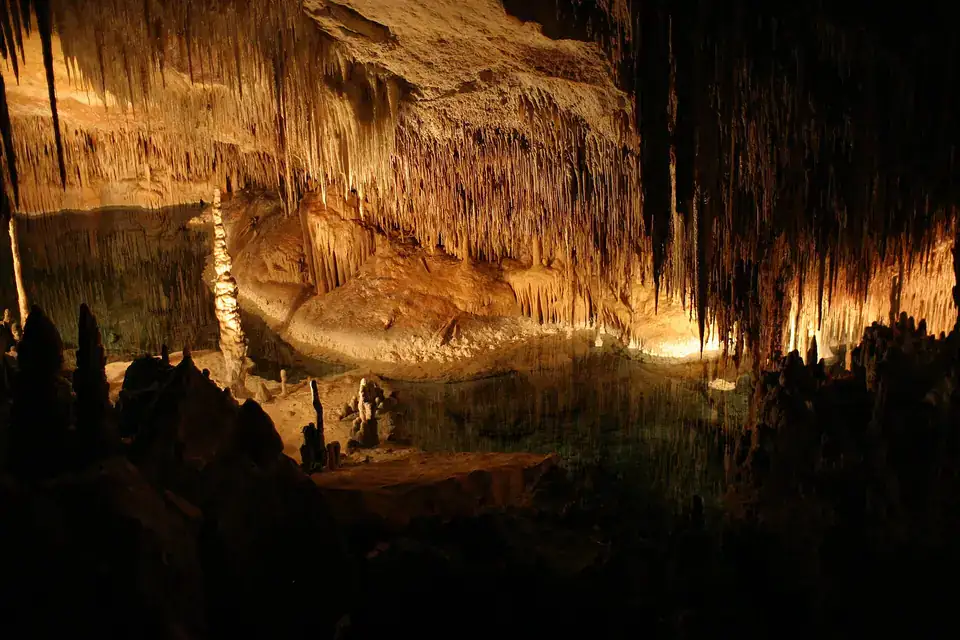
Caves of Drach and Hams
Mallorca's most visited cave: a route of about 1.2 km among stalactites that ends at Lake Martel, explored by Édouard-Alfred Martel in 1896, where musicians in boats play classical music live. Close by, the Coves dels Hams, open to the public since 1910, have hook-shaped formations and a light show.
- When to go
- All year round and in the rain. Entry is by timed slot: buy online and avoid summer mid-mornings. All year
- Getting there
- In Porto Cristo (Manacor). Parking at the Coves del Drac is free. Many east-coast excursions include them. (59 km from Palma as the crow flies)
- Time needed
- 1.5 to 2 h
In the Atlas
Sources: cuevasdeldrach.com, es.wikipedia.org, en.wikipedia.org
18Nature
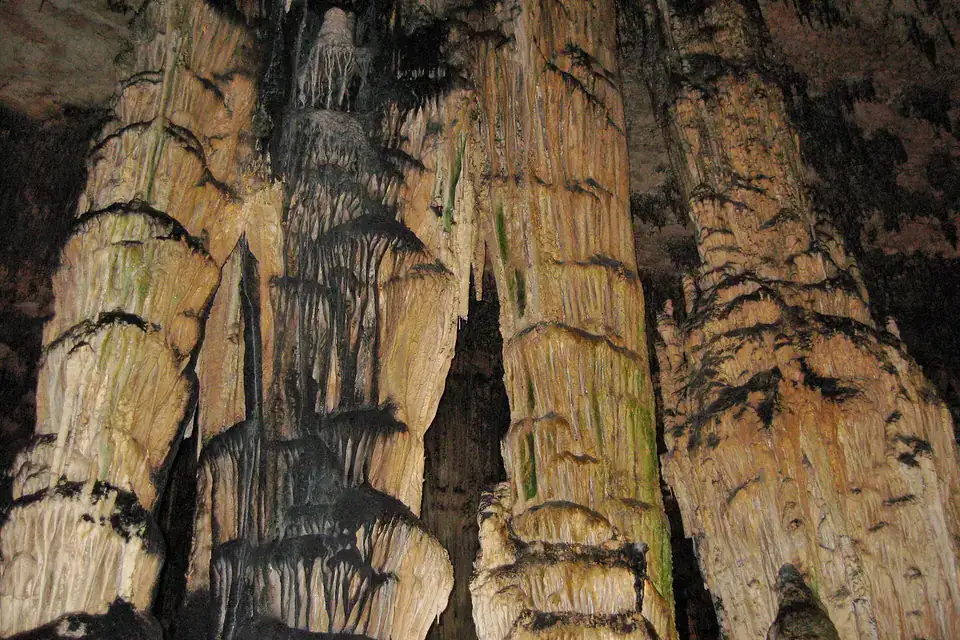
Caves of Artà
Facing the Canyamel coast, the cave mouth opens above the sea. The guided visit is shorter than at Drach, but the chambers are very high and the entrance, perched on the cliff, is among the most dramatic on the island. A good alternative with fewer crowds.
- When to go
- All year round; rain or shine. All year
- Getting there
- By car, next to Canyamel beach (Capdepera); close to Cala Ratjada. (66 km from Palma as the crow flies)
- Time needed
- 45 min to 1.5 h
In the Atlas
Sources: mallorca.com, musement.com
19Culture and historyViewpoints
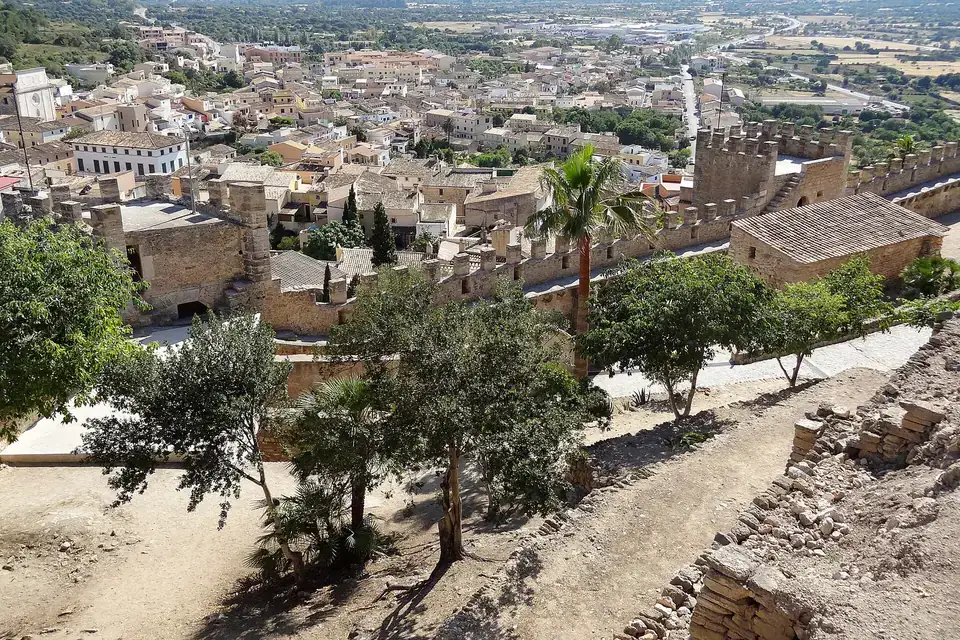
Capdepera Castle and Cala Rajada
Jaume II had the castle built around 1300 and it was finished in 1386; in the 16th century 125 houses stood inside its walls. From the Torre de sa Boira you can see Menorca on clear days. Below, in Cala Rajada, the 1861 lighthouse looks out to sea from 58 metres up. Entry to the castle costs 3 euros according to several sources.
- When to go
- Morning or late afternoon (in winter it closes at 17:00). There is a market in Capdepera on Wednesdays and in Cala Rajada on Saturdays. Best months: MarAprMaySeptOctNov
- Getting there
- There is free parking by the castle. TIB line 411 links Cala Rajada with Artà and Manacor. (69 km from Palma as the crow flies)
- Time needed
- 1 to 2 h
In the Atlas
Sources: capdeperacastell.com, ca.wikipedia.org, seemallorca.com
20Towns and villagesCulture and history
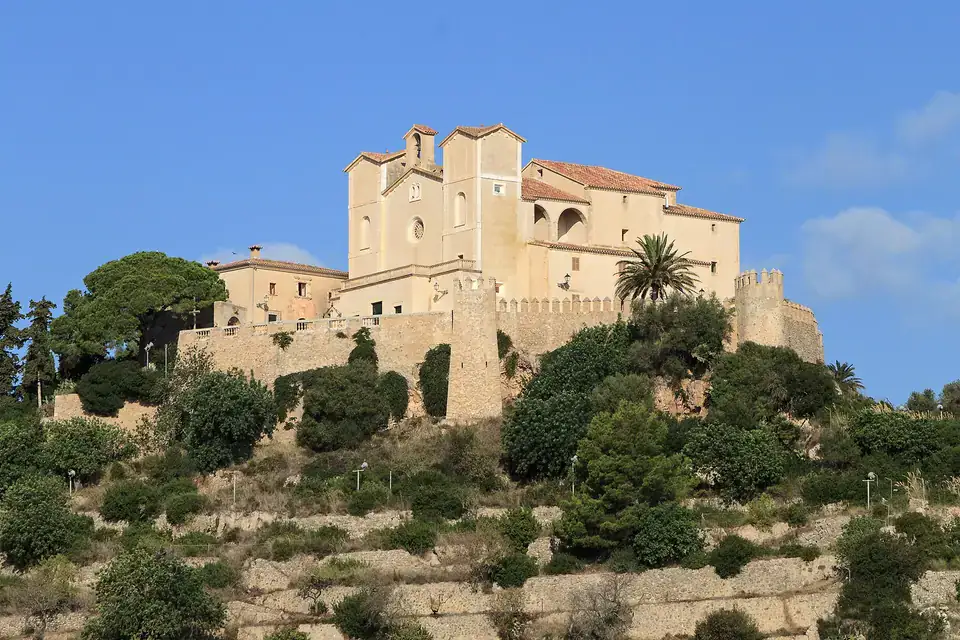
Artà and Ses Païsses
The 14th-century walls of Sant Salvador ring the sanctuary at the top of town, reached by a long stairway from the parish church. On the outskirts, shaded by holm oaks, Ses Païsses was a Talaiotic settlement inhabited for more than a thousand years, with a monumental gateway and a wall of blocks weighing up to eight tonnes.
- When to go
- Mornings to climb up to Sant Salvador; there is a market on Tuesdays. Sant Antoni, on 16 and 17 January, is the town's best-loved festival. Best months: JanMarAprMayOctNov
- Getting there
- Park on the edge of the centre and walk up in sturdy shoes. TIB line 411 links Artà with Cala Rajada and Manacor. (61 km from Palma as the crow flies)
- Time needed
- 2 h
Sources: ca.wikipedia.org, ca.wikipedia.org, turismepetit.com
21Towns and villagesHidden gem
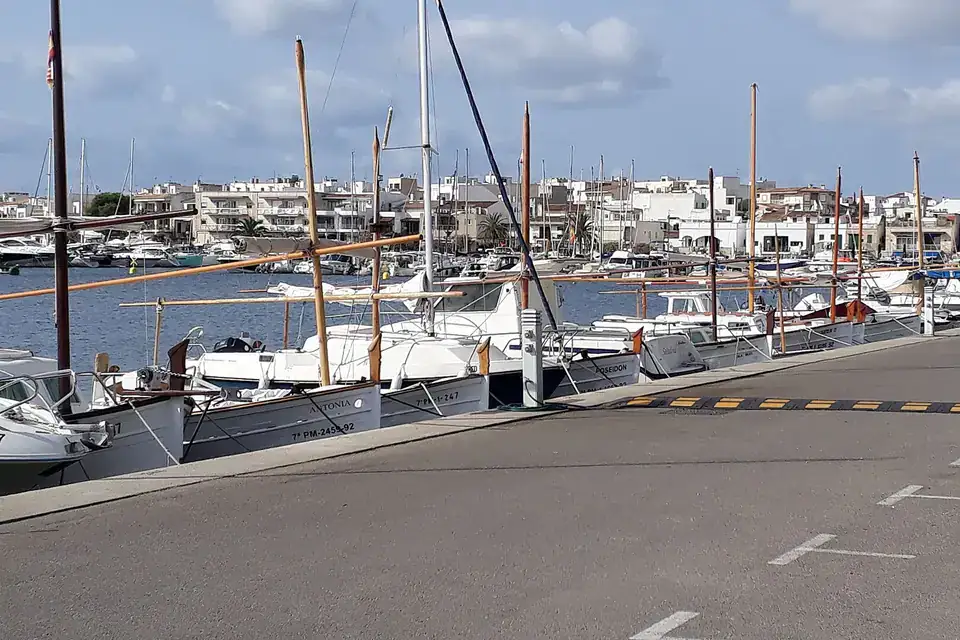
Portocolom
A sheltered natural harbour where boats rest in “barracas”, arched stone boathouses at water level that were declared a Site of Cultural Interest in 2024. The lighthouse dates from 1863. From Felanitx, a few kilometres inland, you can see the Sant Salvador sanctuary, founded in 1348. It is a fishing harbour without big hotels on the waterfront.
- When to go
- In the afternoon, when low light falls on the boathouses; mornings for Felanitx and Sant Salvador. Best months: AprMayJunSeptOct
- Getting there
- By car from Felanitx. The road up to Sant Salvador is narrow and shared with cyclists, so take it slowly. (55 km from Palma as the crow flies)
- Time needed
- 1.5 h
Sources: ca.wikipedia.org, mallorca.com, mallorca.com
The south: coves, Es Trenc and Cabrera
This is where you find the turquoise coves, the island's most famous undeveloped beach, the lighthouse at the southern tip and the boat to Cabrera National Park. Outside July and August you will enjoy it twice as much.
Migjorn & the south: tours and activities
22Beaches and covesTop 10 · 7
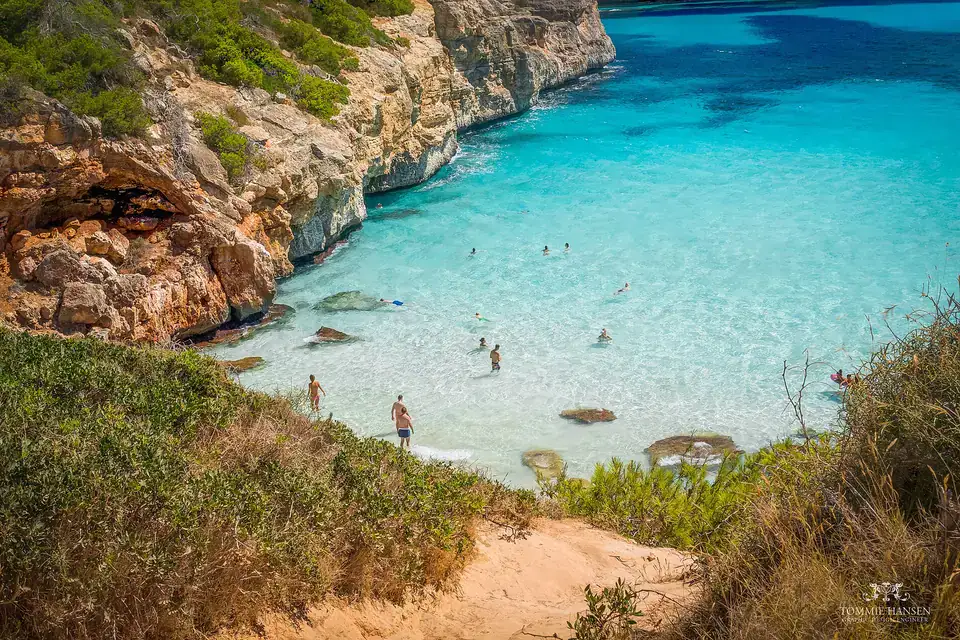
Caló des Moro
A tiny cove, roughly 20 by 30 metres, between S'Almunia and Cala Llombards, with turquoise water framed by pines and rocks. It is the most photographed cove in the south and, for exactly that reason, it fills up: there are no facilities and space is minimal. The land is private and managed by a foundation that asks visitors to stay on the paths.
- When to go
- May, June, September or October, first thing in the morning. In summer the car park fills up before 9:00. Best months: MayJunSeptOct
- Getting there
- On foot only: from the car park near Cala Llombards it is 1 to 1.5 km on a rocky path, 15 to 30 minutes. Wear closed shoes. From the sea, boat trips pass right in front. (49 km from Palma as the crow flies)
- Time needed
- 2 to 3 h
In the Atlas
Sources: ca.wikipedia.org, click-mallorca.com, nomadotravel.app
23Beaches and covesNature
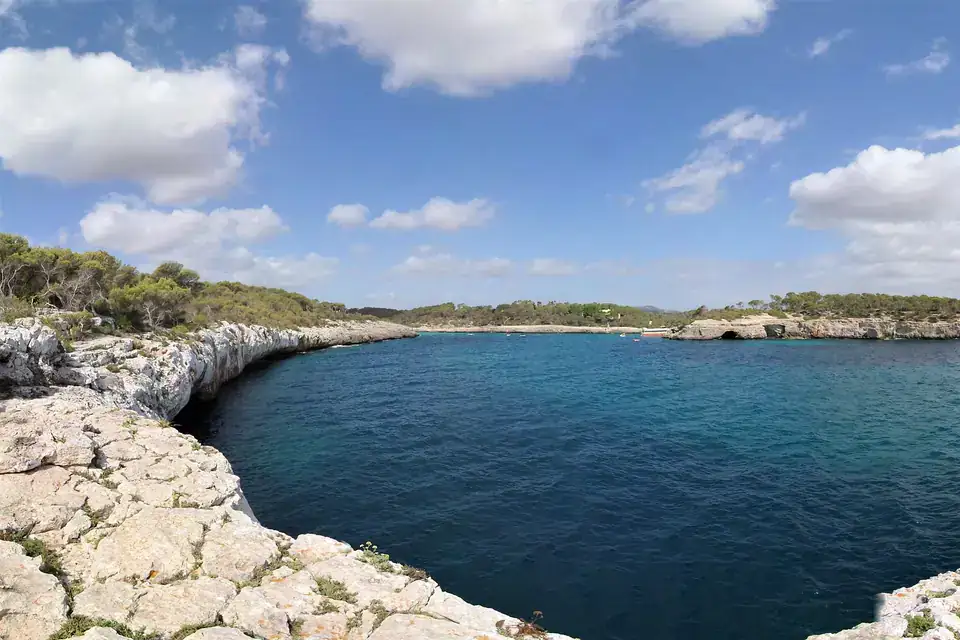
Cala Mondragó (nature park)
The Mondragó coves lie inside a nature park, so the setting is still pine wood and scrub. There are five short waymarked trails of 15 to 60 minutes and free guided visits by appointment. The park offers a free Joelette chair for people with reduced mobility.
- When to go
- May to October for swimming, ideally in the morning; spring for walking. Best months: MayJunSeptOct
- Getting there
- By car from Santanyí or Cala d'Or; parking is paid. Catamarans also arrive from Cala d'Or and Portocolom. (52 km from Palma as the crow flies)
- Time needed
- Half a day
In the Atlas
Sources: caib.es, illesbalears.travel
24Towns and villagesHidden gem
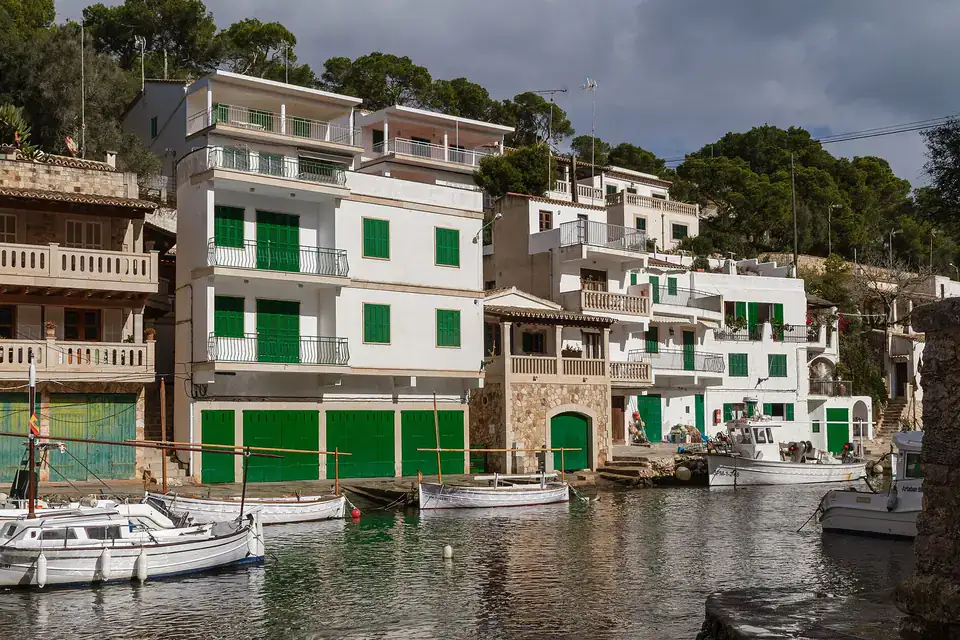
Cala Figuera
A genuine fishing harbour tucked into a narrow inlet that splits into two arms, with stone boathouses at the water's edge and moored llaüt boats. It has no sandy beach, which is why it has kept its village feel. Boats and kayaks leave from here for the rock arch of Es Pontàs.
- Getting there
- By car from Santanyí. Walk around both arms of the harbour. (52 km from Palma as the crow flies)
- Time needed
- 1 h
In the Atlas
Sources: mallorca.com, nomadotravel.app
25Towns and villages
Santanyí and its market
Santanyí's marès sandstone gives the town a honey colour that glows at sunset, and stonemasons still work it. The Porta Murada, in its current form since 1571, is what remains of the walls built against corsairs. On Wednesday and Saturday mornings the market fills the streets with more than 150 stalls of cheese, sausages, ceramics and stone.
- When to go
- Wednesday or Saturday morning for the market; any other day if you prefer a quiet square. Best months: MarAprMayJunSeptOct
- Getting there
- On market days park on the outskirts and walk in. TIB buses connect with Cala d'Or, Cala Figuera and Colònia de Sant Jordi. (47 km from Palma as the crow flies)
- Time needed
- 2 h
Sources: ca.wikipedia.org, illesbalears.travel
26Beaches and covesNatureTop 10 · 8
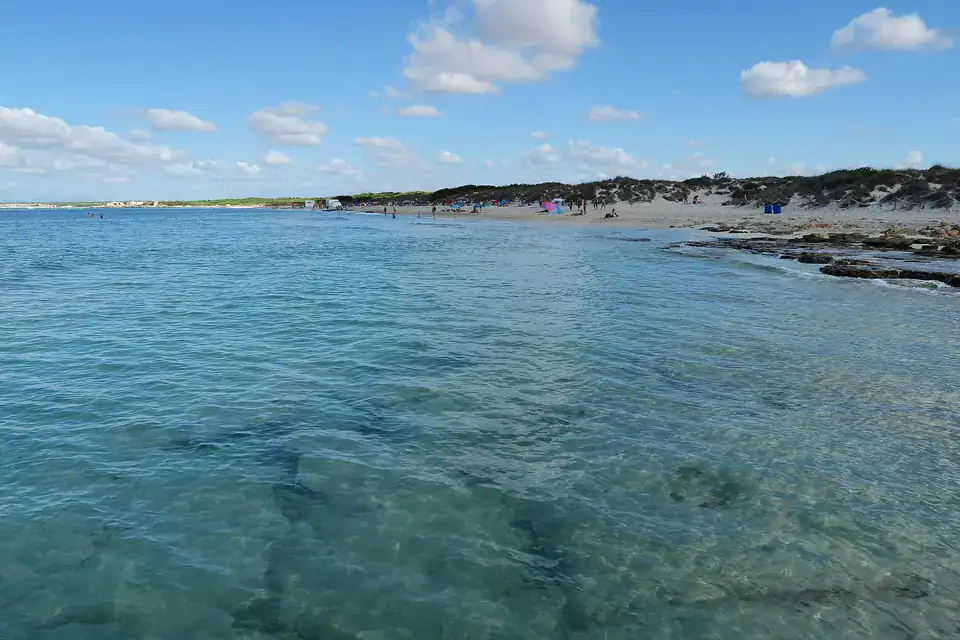
Es Trenc and the Salobrar
Mallorca's most famous undeveloped beach: kilometres of white sand and dunes. Behind it lies the Salobrar de Campos, the island's second wetland after s'Albufera, with salt pans and plenty of birds; since 2017 the whole area has been a nature park. The salt works offer guided visits of about 45 minutes with a salt tasting.
- When to go
- Outside July and August, when the beach has room to breathe. With a westerly wind there are strong currents. Best months: MayJunSeptOct
- Getting there
- By car from Campos or Colònia de Sant Jordi; use the signposted paths, which protect the dunes. Boats also run from Colònia and traditional llaüts from Sa Ràpita. (38 km from Palma as the crow flies)
- Time needed
- Half a day
In the Atlas
Sources: ca.wikipedia.org, ca.wikipedia.org, musement.com
27ViewpointsNatureHidden gem
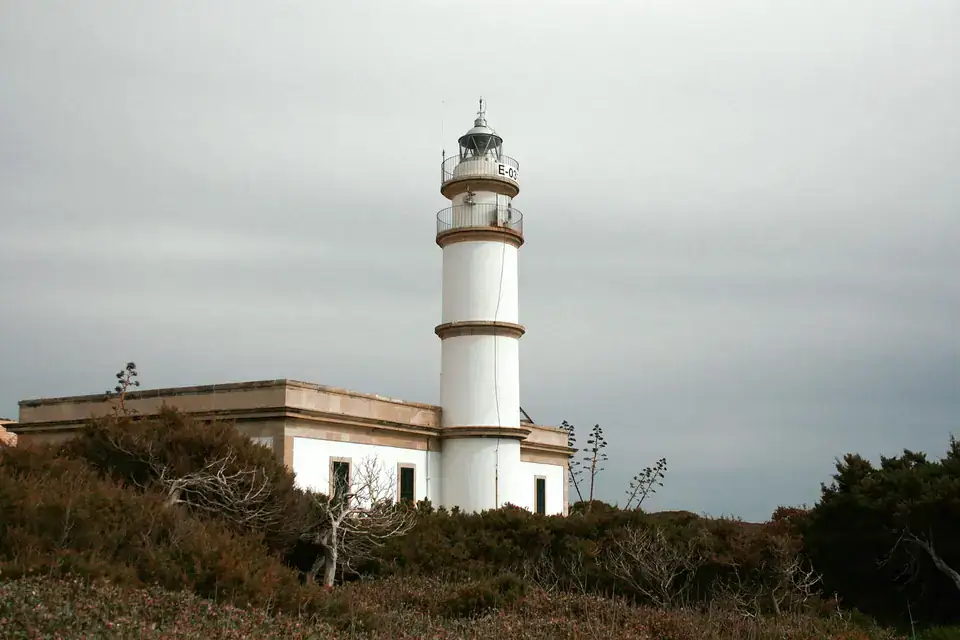
Cap de ses Salines
At the end of the road, on reddish rocks, stands the Cap de ses Salines lighthouse, a white tower from 1863 at Mallorca's southern tip. On clear days you can see Cabrera. There is nothing here but the lighthouse, the sea and the light, and that is what makes it special.
- When to go
- First or last thing in the day, in low light; in spring, bring binoculars for the birds. Best months: MarAprMayOctNov
- Getting there
- By car from Ses Salines. There is no bar, no shade and no formal car park: bring water and park without blocking the road. (48 km from Palma as the crow flies)
- Time needed
- 1 h
In the Atlas
Sources: mallorca.com, ca.wikipedia.org
28Nature
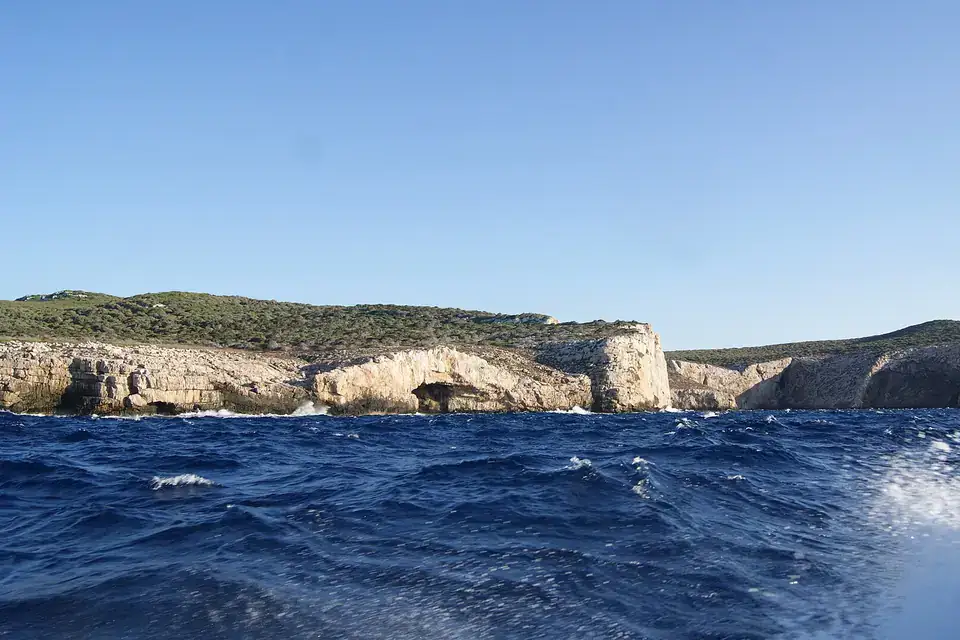
Cabrera National Park
The Balearics' only national park is a land-and-sea archipelago south of Mallorca, with no tourist development. You arrive by boat and combine the crossing, a swim and a walk on the island. It is the south's big day trip.
- When to go
- The boats in our listings run from April to October, depending on sea conditions. Best months: MayJunJulAugSeptOct
- Getting there
- By boat from Colònia de Sant Jordi: a short trip of about 3 hours or a full outing of about 6. Bring water and food. (53 km from Palma as the crow flies)
- Time needed
- 3 to 6 h
In the Atlas
Sources: excursionsacabrera.es, mallorca.com
29Culture and historyHidden gem
Capocorb Vell Talaiotic settlement
Out in the Llucmajor countryside stand five talayots (prehistoric towers) and houses dating from around 900 BC, one of the most excavated sites in the Balearics. You wander among wild olive trees without crowds. Entry is 3 euros, cash only, according to the town council's website.
- When to go
- Autumn to spring; in summer, go early (there is little shade). Best months: JanFebMarAprOctNovDec
- Getting there
- By car on the MA-6014; parking by the entrance. Wear sturdy shoes, the ground is uneven. Combine it with the Cap Blanc lighthouse. (23 km from Palma as the crow flies)
- Time needed
- 45 min to 1.5 h
In the Atlas
Sources: visit.llucmajor.org, ca.wikipedia.org
Inland: Raiguer and Es Pla
The Mallorca of weekly markets, the gardens of great country estates and hilltop sanctuaries. Few crowds, fine views and trains from Palma to several towns.
Raiguer & the inland villages: tours and activities · Es Pla (central plain): tours and activities
30Culture and historyHidden gem
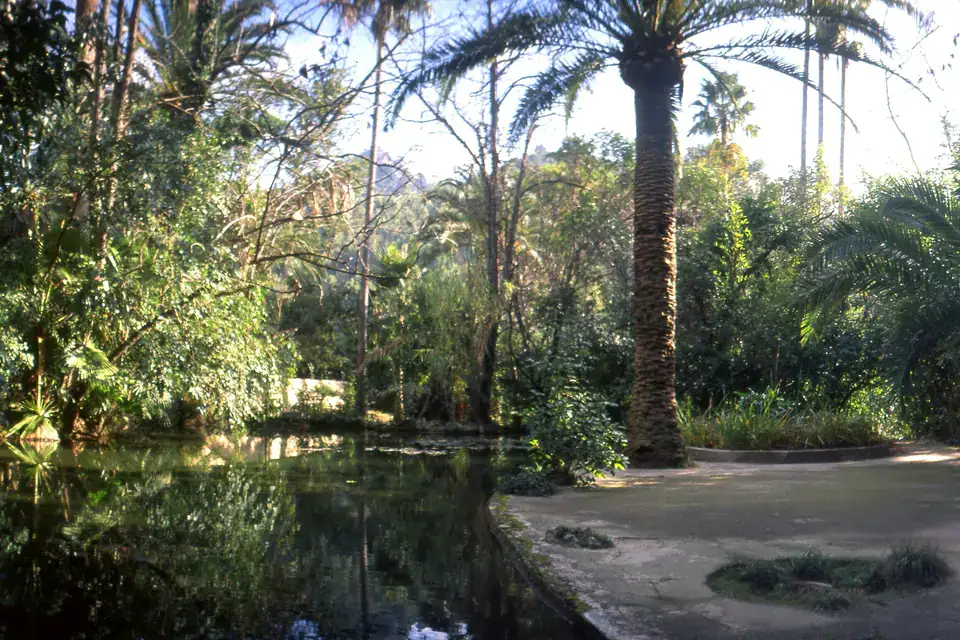
Alfàbia and Raixa gardens
Two great estates at the foot of the mountains. Alfàbia, of Moorish origin, has ponds, fountains and a famous water pergola beside the manor house. Raixa shows off 18th-century Italian-style gardens and, according to recent guides, is free to visit with an audio guide. They make the perfect stop on the way to Sóller or a plan for a cloudy day.
- When to go
- They look their best from spring to autumn; check opening hours before you go. Best months: JanFebMarAprMayOctNovDec
- Getting there
- By car on the Sóller road, in Bunyola; Raixa has its own car park. The Sóller train stops in Bunyola. (17 km from Palma as the crow flies)
- Time needed
- 1 to 2 h each
In the Atlas
- Alfàbia Gardens · from €10
- Raixa estate and gardens (Bunyola) · Free
- Things to do in Bunyola
Sources: ca.wikipedia.org, mallorca.com, turismepetit.com
31ViewpointsCulture and historyHidden gem
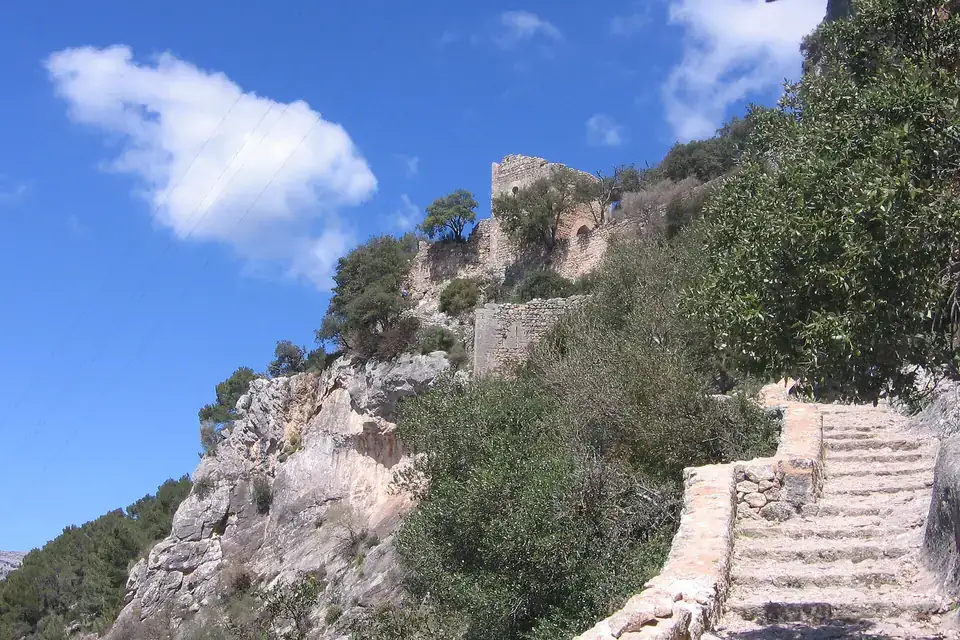
Alaró Castle
The ruins of a rock-top castle crown a great crag above the Raiguer. You can only get there on foot, and at the top there is a chapel and a refuge where you can eat or have a drink. The views stretch across the plain to the Bay of Palma. One of the most rewarding walks on the island.
- Getting there
- Drive to Alaró and the Es Verger estate; depending on where you start, the climb takes 45 minutes to 3 hours. (19 km from Palma as the crow flies)
- Time needed
- 2 to 4 h
In the Atlas
Sources: ich-geh-wandern.de, hikebiketravel.com
32Towns and villages
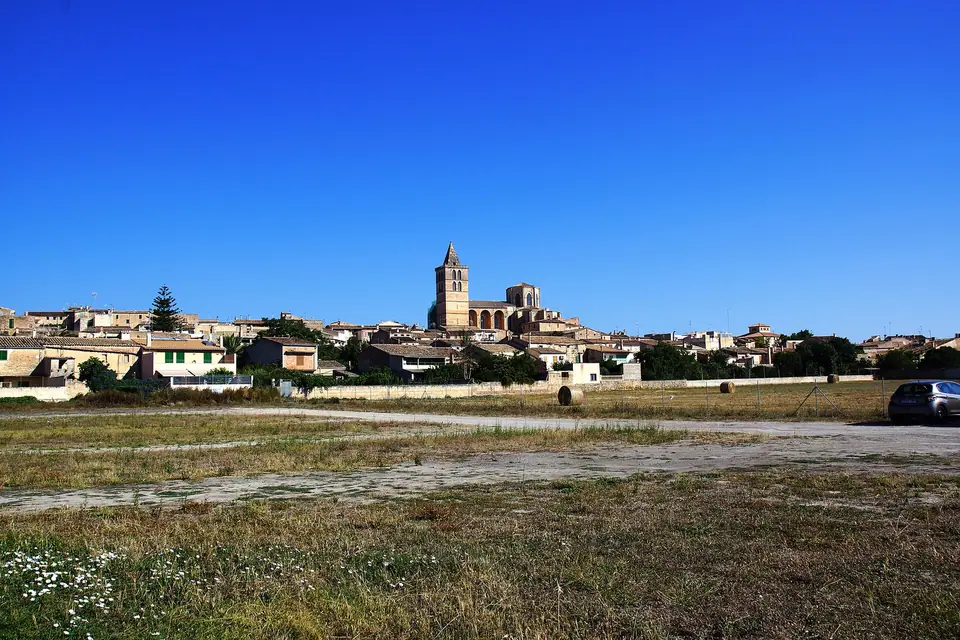
Sineu and its Wednesday market
In the island's geographical centre, Sineu was a residence of Jaume II, who rebuilt his palace here in the early 14th century. Beside the Gothic church stands “es lleó”, the 1945 bronze winged lion. On Wednesday mornings the market fills the town and still has a livestock section.
- When to go
- Wednesday morning; arrive early, as the central car park fills up. Best months: MarAprMaySeptOctNov
- Getting there
- By train: SFM line T3 stops in Sineu, a few minutes from the old town. (32 km from Palma as the crow flies)
- Time needed
- 2 h
In the Atlas
Sources: ca.wikipedia.org, mallorca.com
33ViewpointsCulture and historyHidden gem
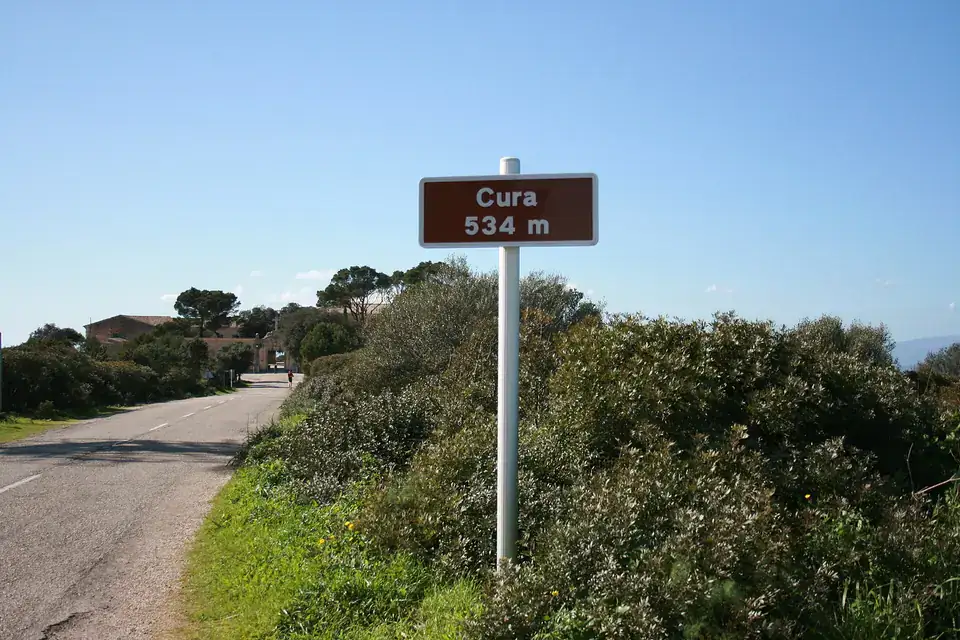
Puig de Randa and Cura Sanctuary
Three sanctuaries are stacked up the 543-metre Puig de Randa: Gràcia, the lowest, clinging to the cliff; Sant Honorat on the middle terrace; and Cura on the summit, where Ramon Llull retreated in 1275. Cura has a small museum about Llull, and the views take in almost the whole island.
- Getting there
- By car from Algaida or Llucmajor. Enter the specific sanctuary in your satnav: “Randa” takes you to the village below. (25 km from Palma as the crow flies)
- Time needed
- 1 to 2 h
In the Atlas
Sources: ca.wikipedia.org, enciclopedia.cat
By type of sight
Nature
Towns and villages
Culture and history
- Palma Cathedral (La Seu)
- Royal Palace of La Almudaina
- Palma old town and the Arab Baths
- Bellver Castle
- Valldemossa and the Charterhouse
- Son Marroig and Sa Foradada
- Lluc Monastery
- Alcúdia: town walls and Pollentia
- Capdepera Castle and Cala Rajada
- Artà and Ses Païsses
- Capocorb Vell Talaiotic settlement
- Alfàbia and Raixa gardens
- Alaró Castle
- Puig de Randa and Cura Sanctuary
Beaches and coves
Hidden gems
Places with far fewer visitors than the top 10, which many people end up liking even more.
- PortocolomA natural harbour with stone boathouses protected as heritage.
- Cala FigueraA fishing harbour in a narrow inlet, with no beach.
- Cap de ses SalinesThe lighthouse at the southern tip, with Cabrera on the horizon.
- Capocorb Vell Talaiotic settlementFive talayots some 3,000 years old, out in the countryside.
- Alfàbia and Raixa gardensTwo estates with water gardens on the way from Palma to Sóller.
- Alaró CastleA castle on a crag you can only climb to on foot, with a refuge at the top.
- Puig de Randa and Cura SanctuaryA hill with three sanctuaries and views across the whole plain.
Plan your visit
Which month to choose
How many of the 33 sights in this guide we recommend in each month. Each column opens that month, with the weather, sea temperature and festivals.
- See the sights on the interactive Mallorca map
- All 56 towns of Mallorca, one by one
- When to visit Mallorca, month by month
The best of each type, by rating
Compare by category
Frequently asked questions
What are the must-see sights in Mallorca?
Our pick of ten: Palma Cathedral, Sa Calobra and the Torrent de Pareis, Cap de Formentor, Valldemossa, Sóller and its train, the Caves of Drach, Caló des Moro, Es Trenc, Alcúdia old town and Deià. If you only have one day outside Palma, head for the Serra de Tramuntana.
What can I see in Mallorca without a car?
A great deal: the historic train from Palma to Sóller and the tram to the port, TIB bus 203 to Valldemossa and Deià, line 302 to Alcúdia, the T3 train to Sineu, the ferry from Port de Pollença to Formentor beach, the boat from Sant Elm to Sa Dragonera and the boats from Colònia de Sant Jordi to Cabrera. For Sa Calobra, take the boat from Port de Sóller.
Can you drive to the Formentor lighthouse?
Outside the season, yes. In 2026, from 15 May to 18 October, Spain's traffic authority (DGT) restricts traffic on the lighthouse road from 10:00 to 22:00: private cars may only reach the Formentor beach car park until it is full, and you get to the lighthouse by TIB shuttle bus, bike, taxi or coach. The dates change every year.
What can I see in Mallorca in winter or when it rains?
Palma (cathedral, Almudaina, Bellver, old town), the Caves of Drach, Hams and Artà, Valldemossa and the Sóller train, Lluc monastery, Capdepera castle and the Alfàbia and Raixa estates are open all year. Many boats (Sa Calobra, Cabrera, Dragonera) stop between November and March.
Which sights in Mallorca are free?
According to our sources: the Raixa gardens, Lluc's church and gardens, Mondragó nature park, s'Albufera (with registration), the Formentor and Sa Foradada viewpoints, Cap de ses Salines, Palma's old town and the markets. Bellver Castle is free on Sundays according to several guides.
How do you get to Caló des Moro?
On foot only: from the car park near Cala Llombards (Santanyí) it is 1 to 1.5 km on a rocky path, 15 to 30 minutes. In summer the car park is full before 9:00. Some speedboat trips also show it from the sea.
How many days do you need to see Mallorca?
A week covers the essentials if you give one day to each area in this guide: Palma, the Tramuntana (two days is better), the north, the east, the south and the interior. Grouping by area saves hours on the road.
More guides
- From Palma airport to your hotel: how to get there by bus, taxi, private transfer or hire car
- Almond blossom in Mallorca: when, where and which routes to do in January and February
- Car hire in Mallorca without surprises: insurance, excess, deposit and what to check at pick-up and return
- Boat trips in Mallorca: which one to pick, region by region
- Cabrera boat trip: boats from Colònia de Sant Jordi, how long it takes and what to see
- Catamaran trips in Mallorca: daytime, sunset or glass-bottom
- Cycling in Mallorca: guided bike tours, road bike hire and e-bike routes
- Cycling in Mallorca from February to April: Sa Calobra, Puig Major, Formentor and what to expect
- Caves of Drach: what the visit is like and how it compares with Hams, Artà and Génova
- Dolphin watching in Mallorca: boat trips, sunrise outings and honest expectations
- Private boat trips in Mallorca with a skipper: llaüts, motorboats and yachts by port
- Day trips from Cala Millor: glass-bottom boats, jeep tours, the Caves of Drach and family days out
- Day trips from Cala Ratjada: boats, snorkelling, the Artà caves and tours with pick-up
- Mallorca excursions: which organised day trip to choose and where from
- Mallorca ferry: from the mainland, between the islands (Ibiza, Menorca) and what counts as public service
- Winter festivals in Mallorca, November to February: Dijous Bo, Christmas, Three Kings, Sant Antoni and Sant Sebastià
- Golf in Mallorca: 12 eighteen-hole courses with green fees and seasons
- Jeep safari Mallorca: buggy, quad, jeep and trike tours compared
- Kayaking in Mallorca: guided tours to sea caves, coves and Dragonera
- Things to do in Mallorca with kids: by area and age
- Mallorca in winter, November to February: what is open, what closes and plans that work
- What to do in Mallorca when it rains: indoor ideas by area
- Mallorca without a car: how to get around by bus, train and bike, and which areas work well
- Sunset boat trips in Mallorca: catamaran, yacht, llaüt or kayak, port by port
- Sa Calobra by boat from Port de Sóller, and the other ways to get there
- Dragonera island: getting there by boat from Sant Elm or Port d'Andratx, by kayak or with a guide
- Mallorca by scooter or motorbike: which licence you need, what the rules say and which routes to ride
- Hiking in Mallorca: guided and self-guided walks in the Tramuntana and beyond
- Snorkelling in Mallorca: boat trips, kayak tours and coves by area
- Scuba diving in Mallorca: try dives for beginners and boat dives for certified divers
- The Sóller train: how it works, what it costs and how to combine it with the tram and boat
- Sailing trips in Mallorca: half-day, private and multi-day, port by port
- Mallorca wine tours: where to visit a winery and taste, area by area