Guide
Winter festivals in Mallorca, November to February: Dijous Bo, Christmas, Three Kings, Sant Antoni and Sant Sebastià
Winter festivals in Mallorca: Dijous Bo, Christmas in Palma, the Song of the Sibyl, Three Kings, Sant Antoni in Sa Pobla and Manacor, Sant Sebastià and Sa Rua.
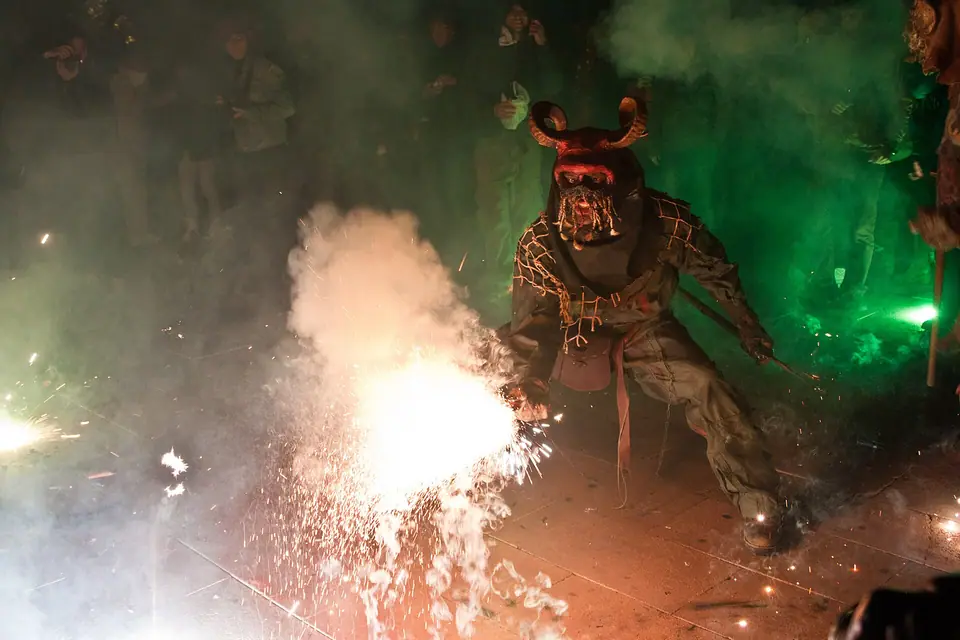
From November to February Mallorca has its most traditional calendar: the Dijous Bo fair in Inca, Christmas with lights and markets in Palma, the Song of the Sibyl, the Three Kings parade, the Sant Antoni bonfires, the Sant Sebastià eve in Palma and, in February, Palma's Carnival. Most are fixed-date festivals by rule, and that is what we give here.
We do not give timetables that change every year: we give you the rule ("17 January", "the night of the 24th") and the towns where it takes place, and link you to the month pages with the calendar and sources. Before you go, confirm the programme with the town hall. And remember that on those days many shops and museums close.
November: All Saints and the Dijous Bo in Inca
1 November is a public holiday across the island. Around that date the pastry shops fill with panellets, small almond and pine-nut sweets which, with chestnuts, are what you eat on the night of All Saints.
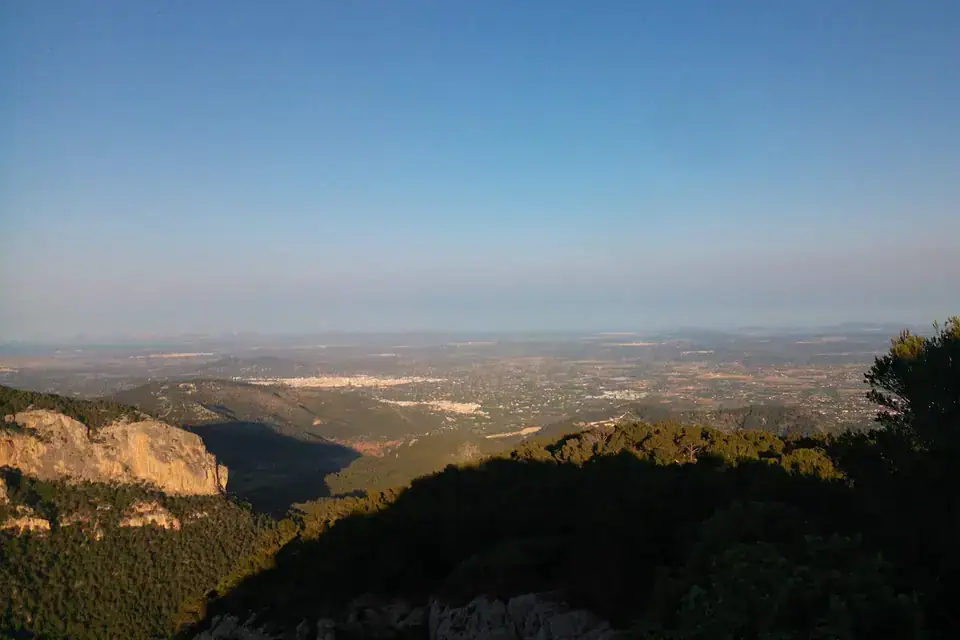
The Dijous Bo in Inca is Mallorca's biggest fair: stalls of livestock, machinery, crafts and leather fill the whole centre. It takes place on the fourth Thursday counted from the Sunday after 18 October, that is, always in mid-November (in 2026, 19 November); Wednesday is the Dimecres Bo and the following Friday is a local holiday in Inca. There are also Dijous Bo fairs in Selva and Mancor de la Vall. With the Footwear Museum and a tasting at a winery in Inca, the day stretches out.
Museu del Calçat i de la Indústria (Inca)
Footwear and Industry Museum of Inca
A free municipal museum, open every day, on footwear and its industries in Mallorca since the 13th century.
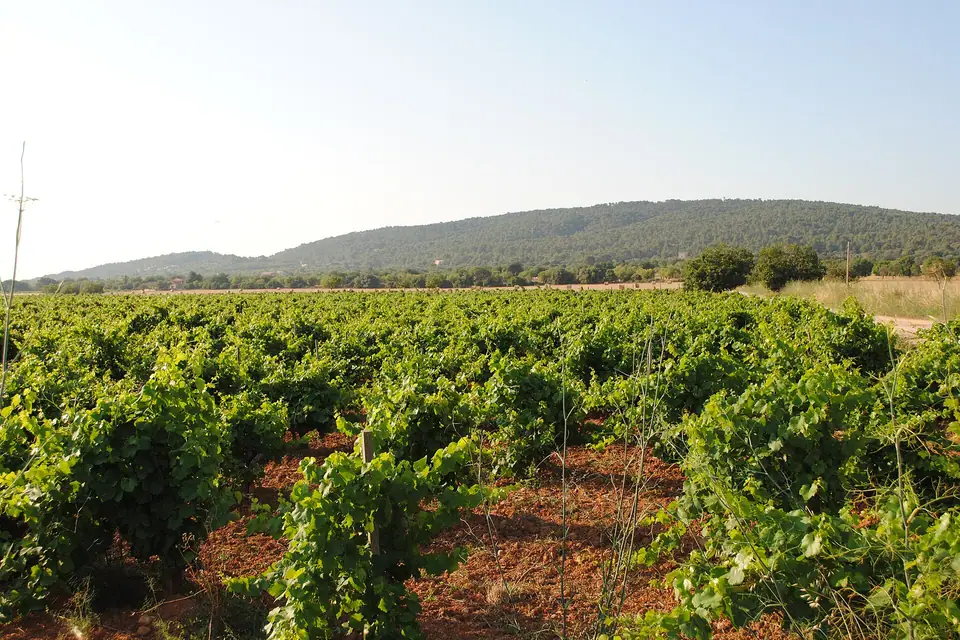
Tasting and private visit at the Los Dos Caballeros winery (Inca)
A tasting of four glasses of organic wine with a board of local cheese and charcuterie, own olive oil and bread, plus a tour of the vineyard and production area.
Closed on Wednesdays according to Google
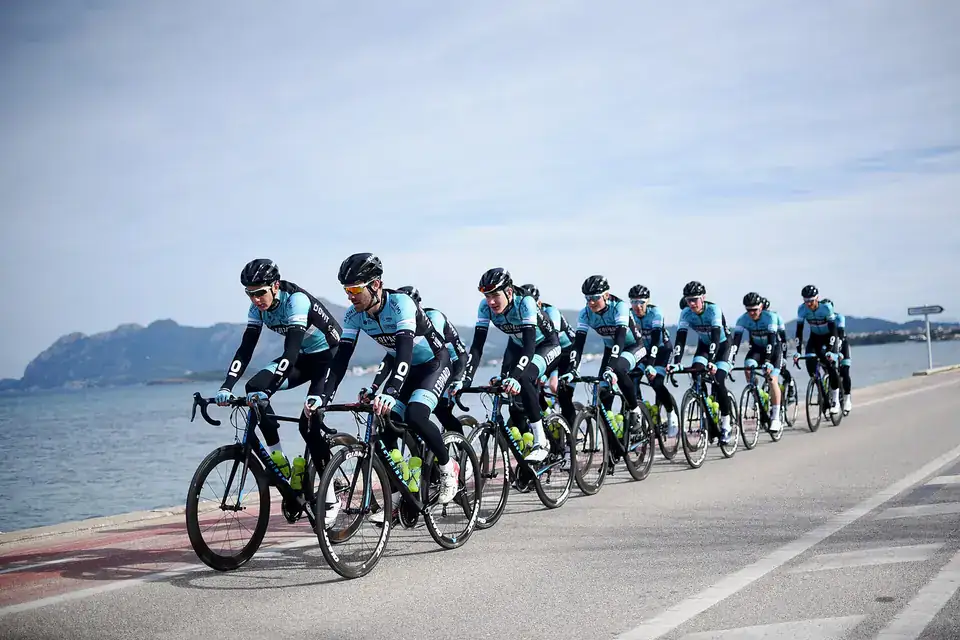
Half-day e-bike tour through quiet inland villages from Inca
A guided 4 to 5-hour e-bike ride on quiet back roads to small villages, with a visit to an olive mill.
Christmas in Palma: lights, markets and the Song of the Sibyl
Palma's Christmas lights and markets fill the centre from the end of November to early January; in the previous edition the lights were switched on at the end of November in Plaça d'Espanya and the market ran until 7 January, with stalls on the Plaça Major, the Rambla and the Parc de les Estacions. The town hall announces each year's dates in autumn.
On the night of 24 December, Christmas Eve, a child or a woman sings the Song of the Sibyl, the prophecy of the Last Judgement, a cappella with a raised sword; it has been on UNESCO's Intangible Heritage list since 2010 and is heard in Palma Cathedral, at the Lluc sanctuary and in most parish churches. On 31 December, with a preliminary event on the 30th, the Festa de l'Estendard marks Jaume I's entry into Palma in 1229, with a procession of the royal standard to the Seu, cossiers dances and the reading of La Colcada at Cort.
Public holidays are 8 December (Immaculate Conception), 25 December and 1 January; in 2026 26 December (Sant Esteve) is a holiday too. Many shops, museums and restaurants close or cut their hours on those days.
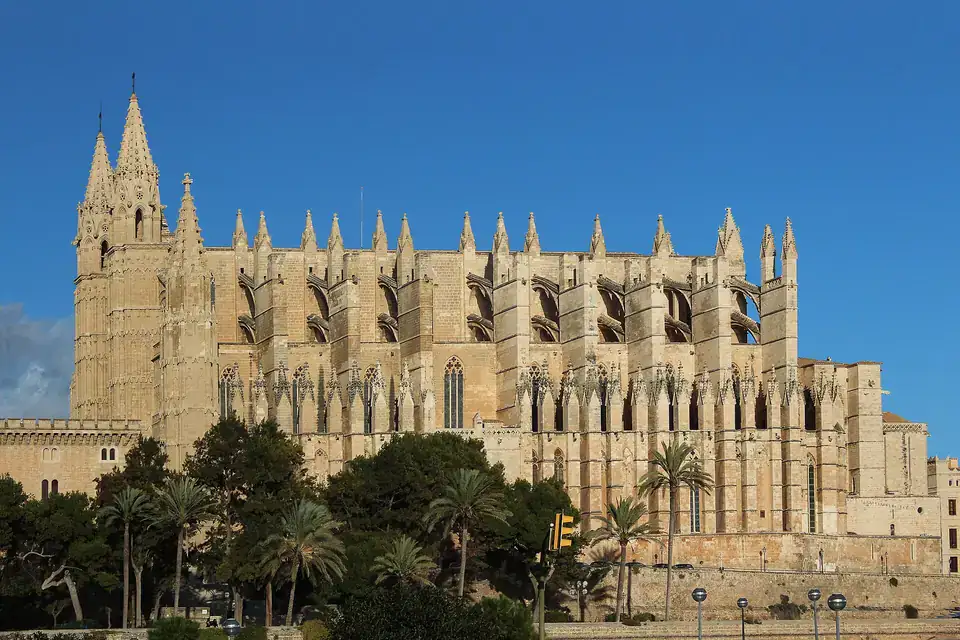
Mallorca Cathedral (La Seu)
Palma's great Gothic icon, with an interior visit, museum and, depending on ticket, terrace access.
Closed on Sundays according to Google
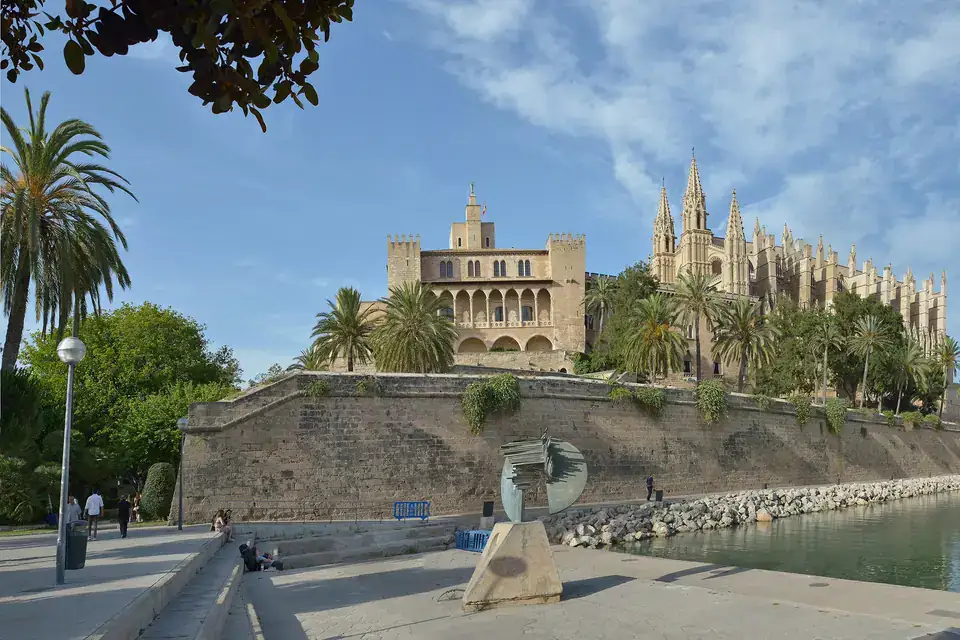
Palacio Real de la Almudaina (Patrimonio Nacional)
Royal Palace of La Almudaina
Fortress-palace of Moorish origin facing La Seu, reopened in July 2026 after renovation.
Closed on Mondays according to Google
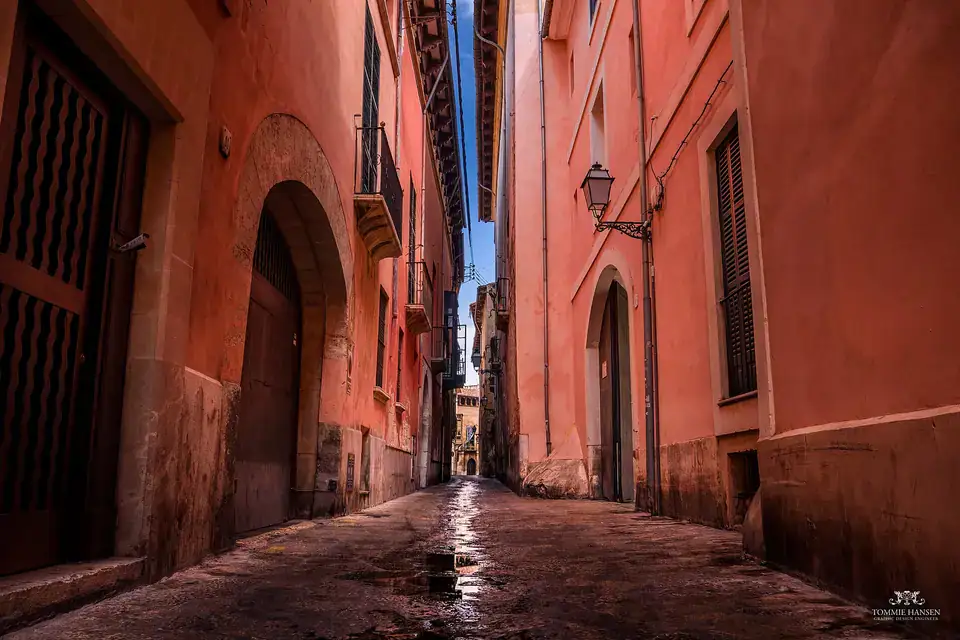
Guías locales de free tour (vía GuruWalk y Civitatis)
Palma old town free walking tour (pay what you want)
About two hours through the old town with a local guide; booking is free and you tip what you like.
Closed on Wednesdays and Sundays according to Google
Mysteries and legends of Palma (private guided walk)
A private guided walk of about 2 hours through the old town with legends, crimes and curiosities; starts at Plaza Mayor, flexible schedule.
Closed on Sundays according to Google
Palma hop-on hop-off bus tour (City Sightseeing)
Open-top double-decker with a 24-hour ticket, 16 stops and an audio guide in 8 languages; bundles with attractions and a boat ride available.
Closed on Saturdays and Sundays according to Google
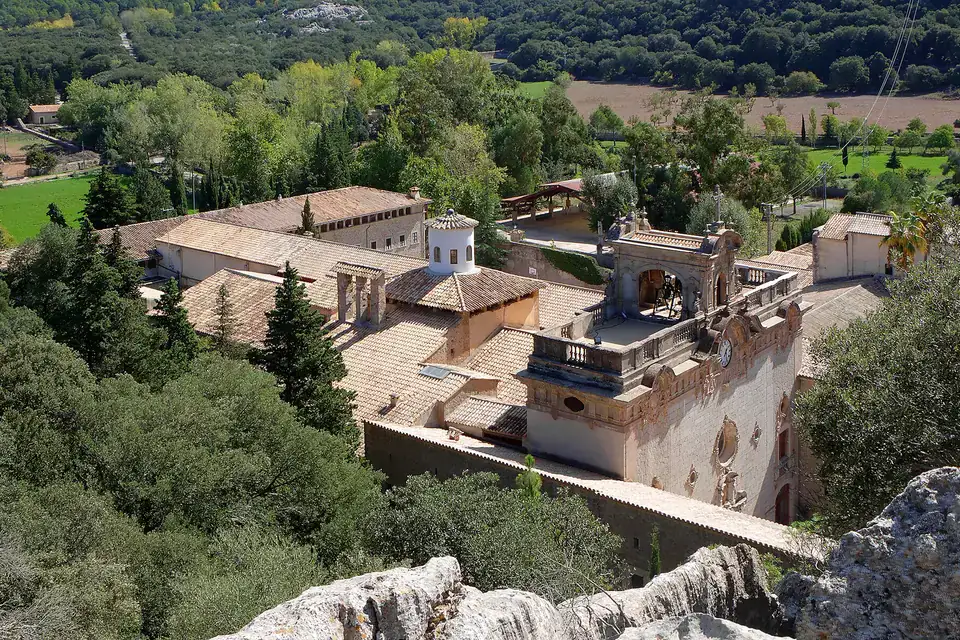
Three Kings: the parade on 5 January
On 5 January, in the late afternoon and evening, the Three Kings arrive by sea at Palma's Moll Vell and parade through the centre on floats, handing out sweets, ending at Plaça de Cort. 6 January, Epiphany, is a public holiday and shops close. It is a festival designed for families: arrive early, because the route fills up, and wrap up warm, since in January lows are around 4 °C.
Sant Antoni: bonfires, dimonis and animal blessings (16 and 17 January)
On the night of 16 January the foguerons (bonfires) burn in squares and streets in many villages, with dimonis, grill parties and correfocs; on the 17th pets and farm animals are blessed, the beneïdes. The best-known celebrations are those of Sa Pobla, Manacor, Artà, Pollença, Alcúdia and Muro, but there are bonfires in many more villages. In Muro, according to the press, the beneïdes are being put forward for cultural heritage status.
The programme changes from year to year: the rule is 16 and 17 January, and each town hall publishes its timetable. Combine the festival with a cave in Manacor or Artà, the s'Albufera nature park or the Roman ruins of Pollentia in Alcúdia.
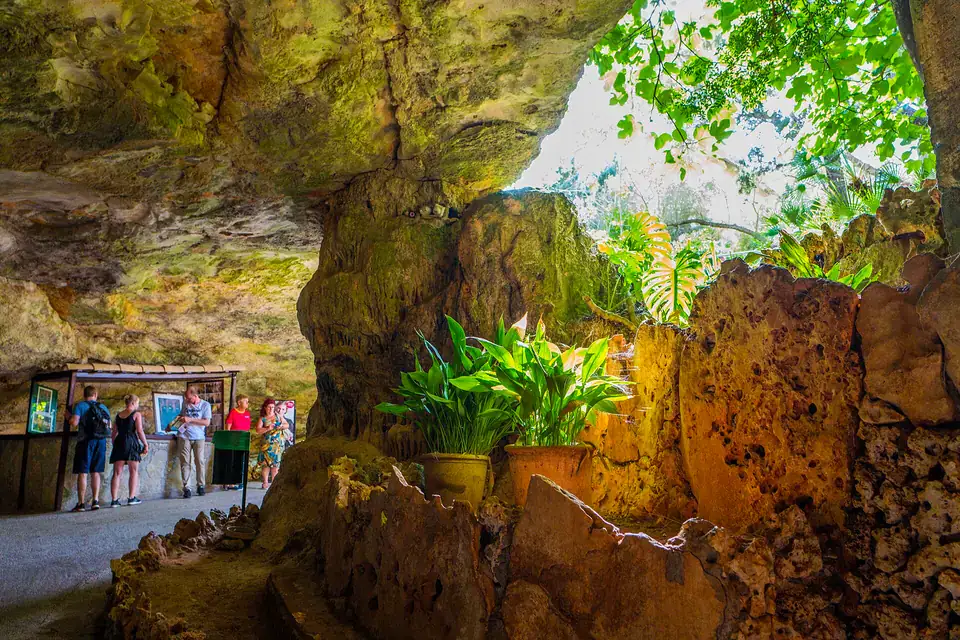
Caves of Drach (Porto Cristo)
Guided visit to one of Mallorca's biggest caves, with an underground lake and a short concert.
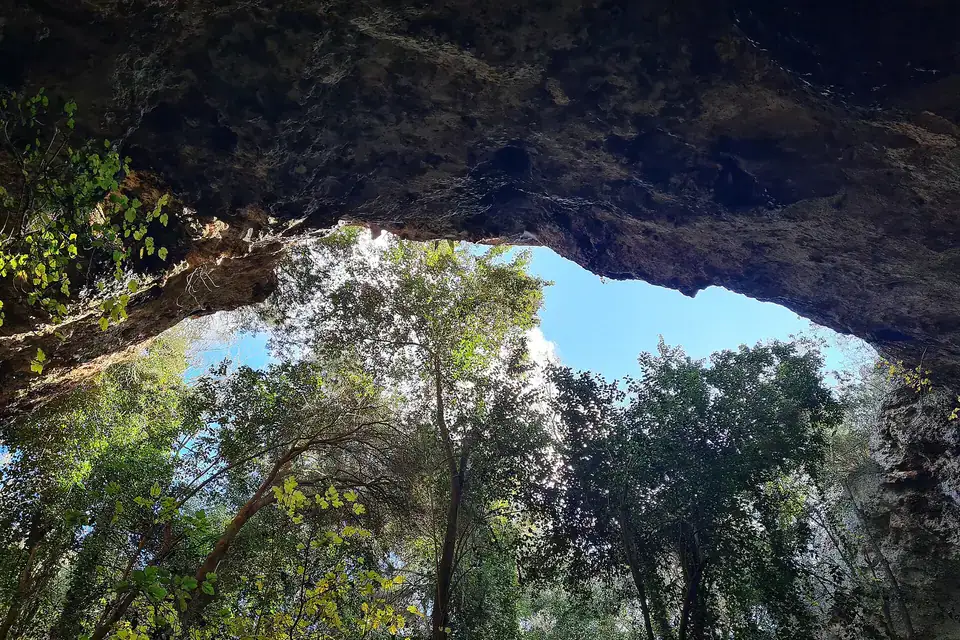
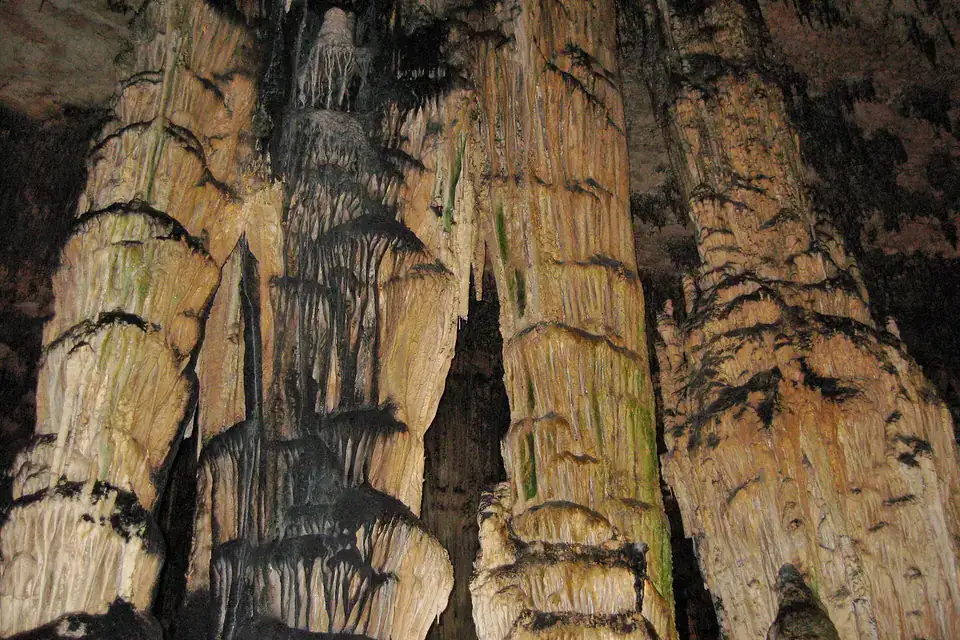
Caves of Hams (Porto Cristo)
Cave near Porto Cristo with hook-shaped formations and a light and music show.
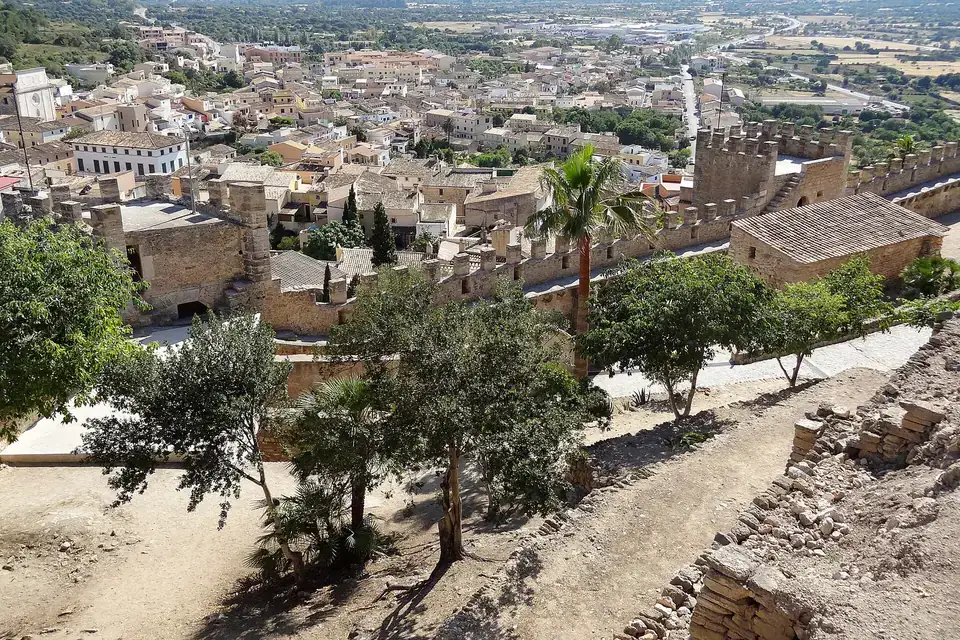
Rafa Nadal Museum Xperience in Manacor
An interactive visit of about 90 minutes to the museum devoted to Rafa Nadal, with a room where kids try different sports.
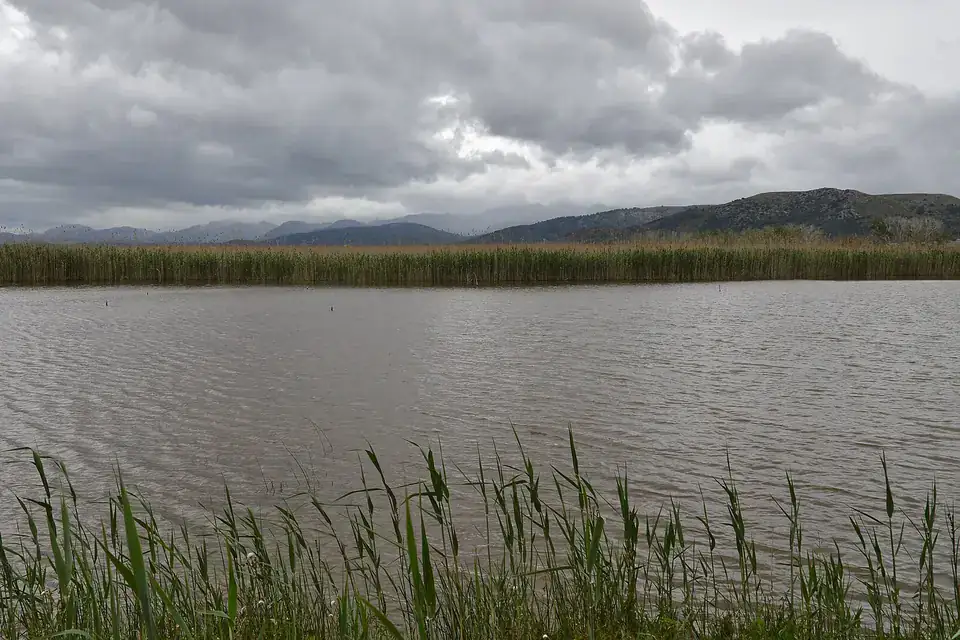
Parc Natural de s'Albufera (Govern de les Illes Balears)
S'Albufera Natural Park: ranger-led visit
Bird wetland on the Bay of Alcudia, free entry with registration and guided outings on Saturday mornings.
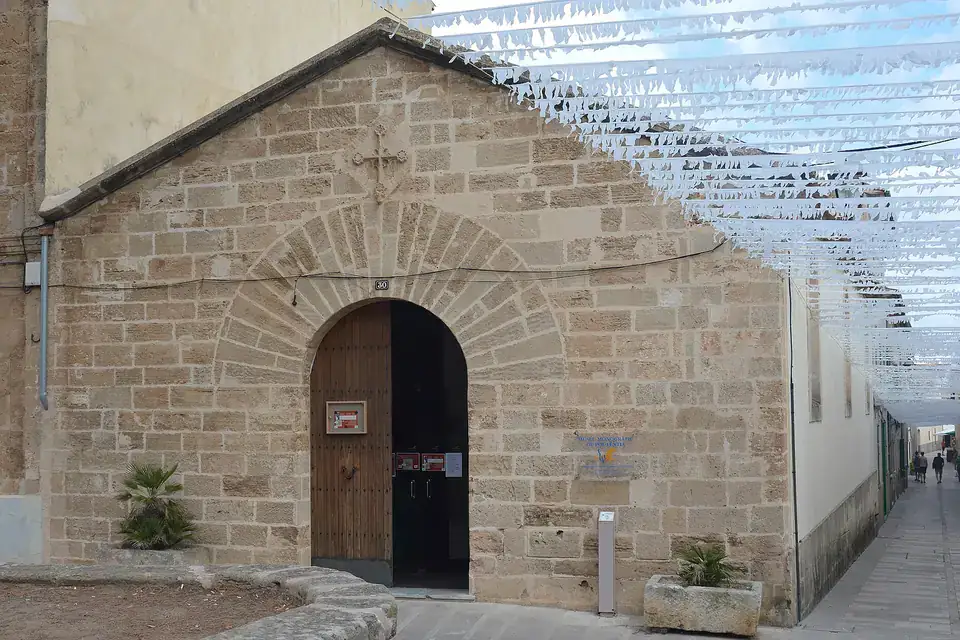
Ciutat romana de Pollentia y Museu Monogràfic
Roman ruins of Pollentia and monographic museum (Alcúdia)
A walk through Pollentia's Roman theatre, forum and residential quarters, plus the small museum near the church.
Closed on Mondays according to Google
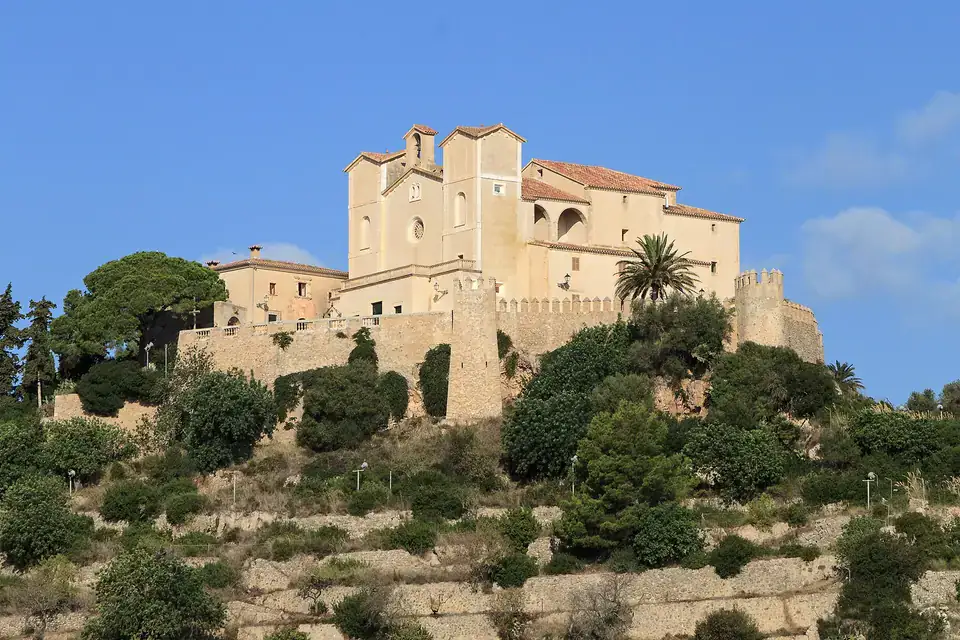
Poblat talaiòtic de Ses Païsses
Ses Païsses Talayotic settlement (Artà)
Walled prehistoric enclosure with a monumental gateway and central talayot, shaded by holm oaks and a short walk from central Artà.
Closed on Sundays according to Google
Sant Sebastià in Palma: the eve on 19 January and the feast on the 20th
Palma honours its patron saint with the revetla on the night of 19 January: bonfires and grill parties in the squares, concerts, xeremiers (pipers), giants, a correfoc and the Drac de na Coca. 20 January is a local holiday in Palma: museums and shops may close, so book ahead. It is a night with lots of people out on the streets, so arrive early at the square you want.
With the day off in Palma, castles and museums make a good plan: Bellver Castle and Es Baluard are listed as open all year in our records, though confirm the hours for that holiday.
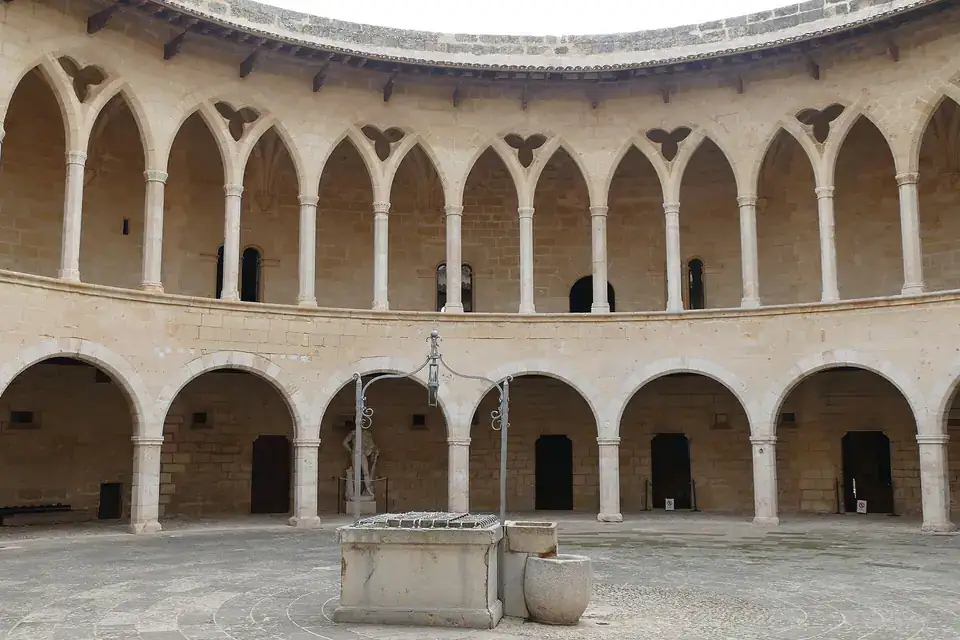
Castell de Bellver (Ajuntament de Palma)
Bellver Castle
Round Gothic castle with views over the whole bay of Palma and a low entry fee.
Closed on Mondays according to Google
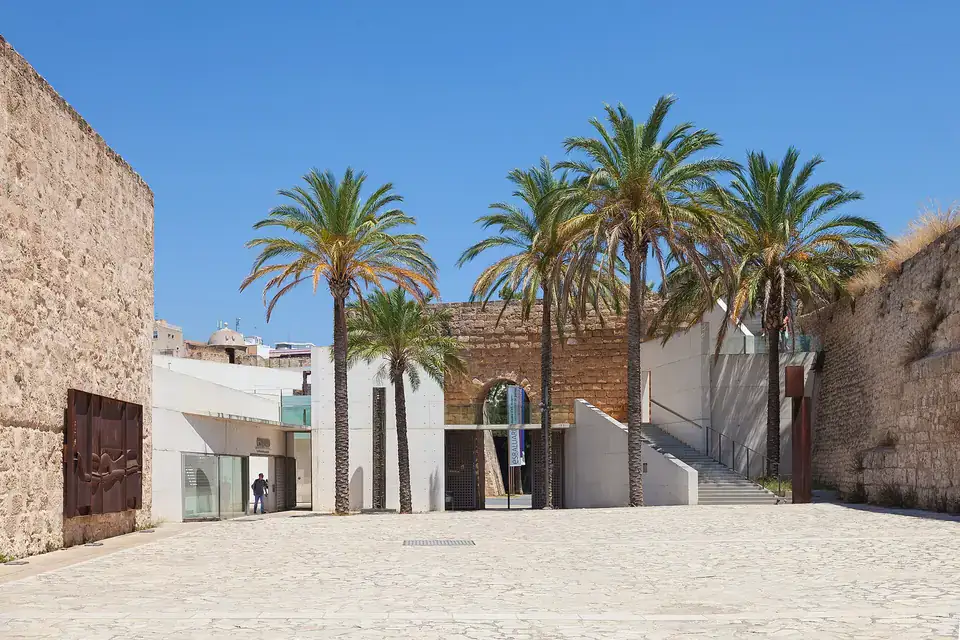
Es Baluard Museu d'Art Modern i Contemporani de Palma
Es Baluard, Palma's museum of modern and contemporary art
Modern and contemporary art in a Renaissance bastion by the sea, with exhibitions and views over the bay.
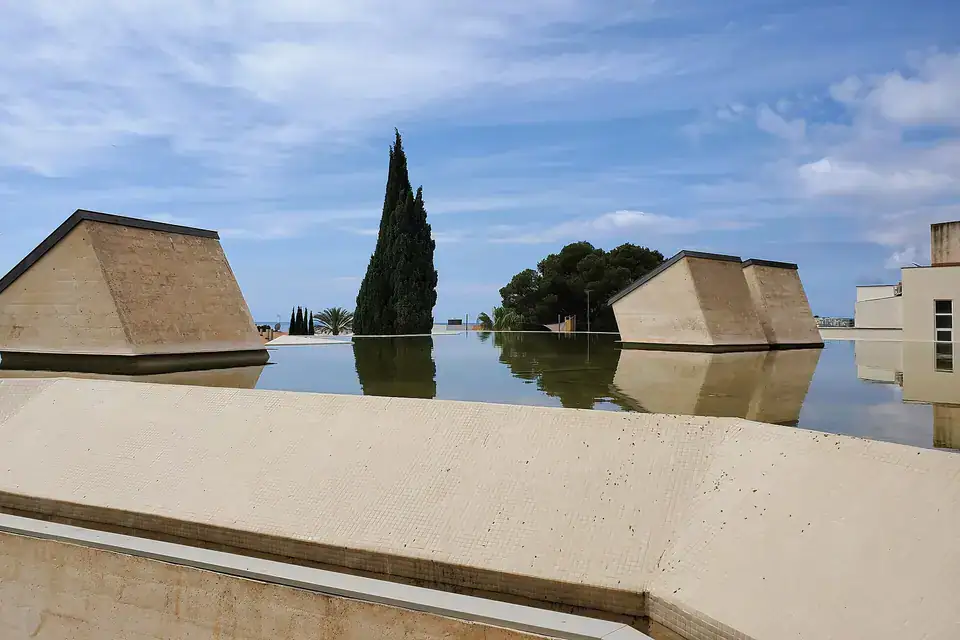
Fundació Pilar i Joan Miró a Mallorca
Pilar and Joan Miró Foundation
The artist's museum and studios in Palma, with works and temporary exhibitions.
Closed on Mondays according to Google
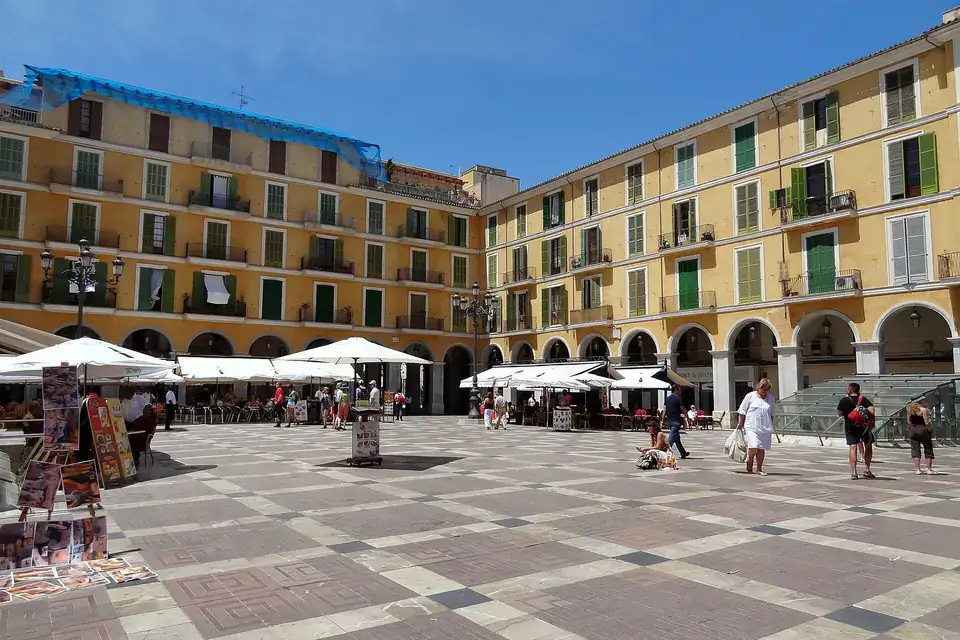
Arab Baths of Palma
Domed bath hall with columns from the Islamic period, tucked into a garden in the old town a few minutes from the Cathedral.
February and March: Sa Rua and Balearic Islands Day
Palma's Carnival, Sa Rua, is a big parade of floats and costumed groups from the Rambla to Avinguda Jaume III, with a concert and prize-giving at the end. It is held before Lent and the exact date is announced each year (in 2026 it was on 15 February). 1 March is Balearic Islands Day: a public holiday with official events and free visits to historic buildings; if it falls on a Sunday, the holiday moves to Monday.
Frequently asked questions
When is Sant Antoni in Mallorca?
Always on the night of 16 January (bonfires, dimonis and grill parties) and on 17 January (beneïdes, the blessing of the animals). The best-known celebrations are in Sa Pobla, Manacor, Artà, Pollença, Alcúdia and Muro.
What is the Sant Sebastià revetla?
The night of 19 January in Palma: bonfires and grill parties in the squares, concerts, a correfoc and giants. 20 January is a local holiday in Palma.
When is the Three Kings parade in Palma?
On the evening of 5 January: the Three Kings arrive by sea at the Moll Vell and parade through the centre to Plaça de Cort. 6 January is a public holiday.
Are there Christmas markets in Palma?
Yes: lights and stalls fill the centre from the end of November to early January (in the previous edition with stalls on the Plaça Major and the Rambla until 7 January). The town hall announces each year's dates.
Which days are public holidays at Christmas in Mallorca?
8 December, 25 December and 1 and 6 January; in 2026 also 26 December (Sant Esteve). Shops and museums may close, and on Christmas Eve and New Year's Eve many restaurants change their hours or offer a special menu.
The months this guide covers
Seasonal newsletter
Mallorca ideas for every month, in your inbox
What to do, which town to visit and what is at its best, season by season. No filler, and you can unsubscribe in one click.
More guides
- From Palma airport to your hotel: how to get there by bus, taxi, private transfer or hire car
- Almond blossom in Mallorca: when, where and which routes to do in January and February
- Car hire in Mallorca without surprises: insurance, excess, deposit and what to check at pick-up and return
- Boat trips in Mallorca: which one to pick, region by region
- Cabrera boat trip: boats from Colònia de Sant Jordi, how long it takes and what to see
- Catamaran trips in Mallorca: daytime, sunset or glass-bottom
- Cycling in Mallorca: guided bike tours, road bike hire and e-bike routes
- Cycling in Mallorca from February to April: Sa Calobra, Puig Major, Formentor and what to expect
- Caves of Drach: what the visit is like and how it compares with Hams, Artà and Génova
- Dolphin watching in Mallorca: boat trips, sunrise outings and honest expectations
- Private boat trips in Mallorca with a skipper: llaüts, motorboats and yachts by port
- Day trips from Cala Millor: glass-bottom boats, jeep tours, the Caves of Drach and family days out
- Day trips from Cala Ratjada: boats, snorkelling, the Artà caves and tours with pick-up
- Mallorca excursions: which organised day trip to choose and where from
- Mallorca ferry: from the mainland, between the islands (Ibiza, Menorca) and what counts as public service
- Golf in Mallorca: 12 eighteen-hole courses with green fees and seasons
- Jeep safari Mallorca: buggy, quad, jeep and trike tours compared
- Kayaking in Mallorca: guided tours to sea caves, coves and Dragonera
- Things to do in Mallorca with kids: by area and age
- Mallorca in winter, November to February: what is open, what closes and plans that work
- What to do in Mallorca when it rains: indoor ideas by area
- Mallorca without a car: how to get around by bus, train and bike, and which areas work well
- Sunset boat trips in Mallorca: catamaran, yacht, llaüt or kayak, port by port
- Things to see in Mallorca: the must-see sights, area by area
- Sa Calobra by boat from Port de Sóller, and the other ways to get there
- Dragonera island: getting there by boat from Sant Elm or Port d'Andratx, by kayak or with a guide
- Mallorca by scooter or motorbike: which licence you need, what the rules say and which routes to ride
- Hiking in Mallorca: guided and self-guided walks in the Tramuntana and beyond
- Snorkelling in Mallorca: boat trips, kayak tours and coves by area
- Scuba diving in Mallorca: try dives for beginners and boat dives for certified divers
- The Sóller train: how it works, what it costs and how to combine it with the tram and boat
- Sailing trips in Mallorca: half-day, private and multi-day, port by port
- Mallorca wine tours: where to visit a winery and taste, area by area
- Free and cheap things to do in Mallorca
- Easy, low-effort things to do in Mallorca