Guide
Sa Calobra by boat from Port de Sóller, and the other ways to get there
How to visit Sa Calobra: the boat from Port de Sóller, the hairpin road, combined day trips, hiking the Torrent de Pareis or cycling. Season, tips and options.
The easiest and most scenic way to reach Sa Calobra is by boat from Port de Sóller. You sail beneath the Serra de Tramuntana cliffs, pass Cala Tuent and arrive at the mouth of the Torrent de Pareis without driving the hairpin road. The boat runs roughly from April to October and depends on the sea.
There are four other ways in: by car or coach over the mountain road, on an organised day trip combining train, tram and boat, on foot down the Torrent de Pareis with a guide, or by bike. This guide compares them all, using the trips we list and what you should know before you go.
What is Sa Calobra and why is it so famous?
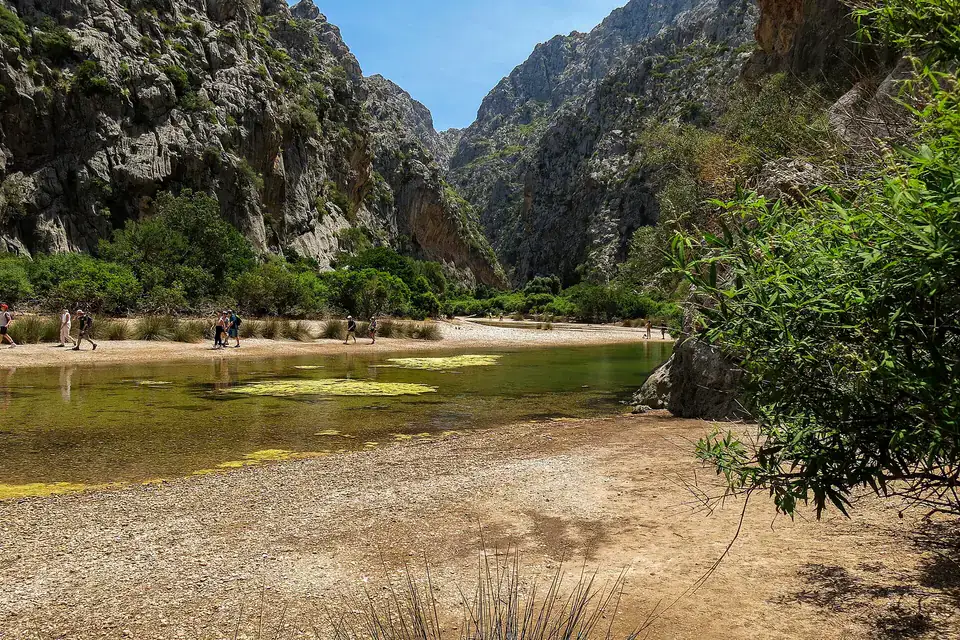
Sa Calobra is a small cove on the northern Tramuntana coast, in the municipality of Escorca. A few minutes' walk away is the mouth of the Torrent de Pareis, a gorge that cuts through the mountains and ends at a pebble beach between rock walls. It is one of the most photographed landscapes in Mallorca.
Fame has a cost: in high season boats, coaches and cars all arrive at once, and space is limited. Our listings for Sa Calobra trips rate crowding as high. Going early, outside July and August, or arriving by sea changes the experience a great deal.
Sa Calobra by boat from Port de Sóller
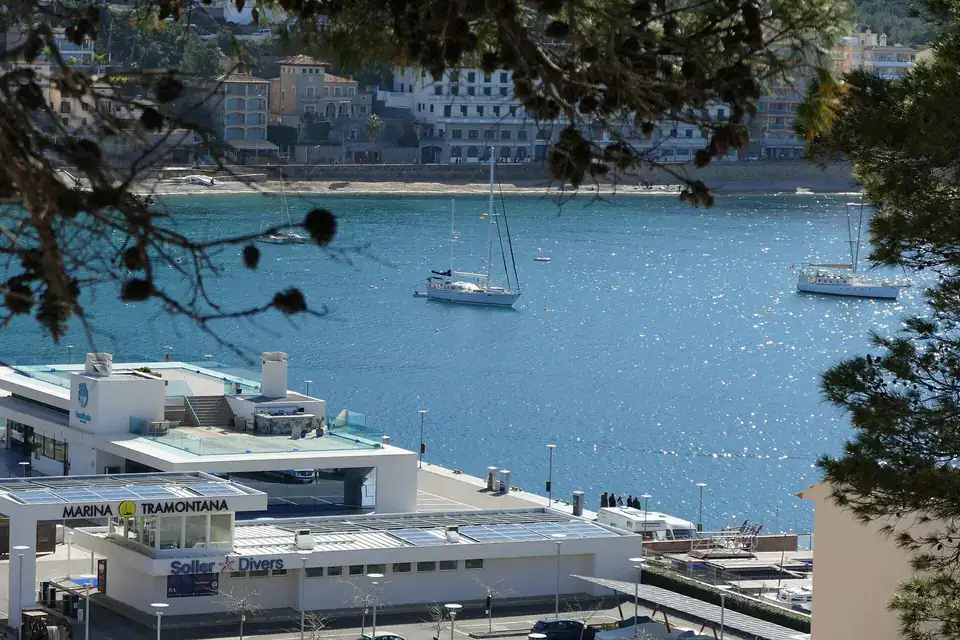
The Transportes Marítimos Puerto de Sóller line follows the coast east, passes Cala Tuent and reaches the mouth of the Torrent de Pareis. According to the listing in our data, the trip takes about two and a half hours, includes a swim stop and one drink, and runs from April to October. The time spent at Sa Calobra is not stated, so ask when you buy your ticket if you want to walk to the gorge.
Barcos Azules, another company in the port, also runs its regular line to Sa Calobra. If you would rather avoid fixed times, Octopus Mallorca offers a private boat with skipper for up to eight people for about four hours, with snacks, drinks and snorkel gear included according to the listings. Private trips are priced per boat and the figures we saw differ between platforms.
The boat does not sail in a heavy swell or strong northerly wind. Check the forecast the day before and keep a plan B.
Transportes Marítimos Puerto de Sóller
Boat from Port de Sóller to Sa Calobra and Torrent de Pareis
About 2.5-hour trip along the north coast, with a swim and views of Sa Costera, Cala Tuent and Torrent de Pareis.
Shared boat from Port de Sóller to Sa Foradada with a swim stop
Passenger-boat trip towards the pierced rock of Sa Foradada, with a swim stop in a bay and a bar on board.
Private skippered boat from Port de Sóller: Sa Calobra or Sa Foradada
Four hours on a private boat for up to eight, with a west route (Foradada, Cala Deià) or east route (Sa Calobra and Torrent de Pareis).
The combined day trip: train, tram, boat and road
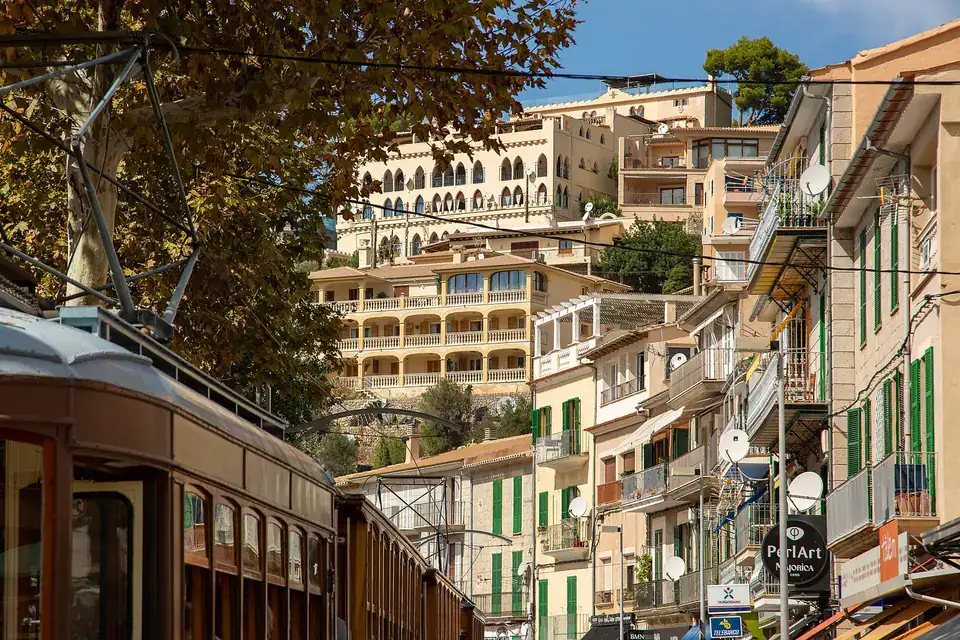
The classic day trip combines everything. Click Mallorca's Grand Tour starts with free time in Valldemossa, crosses the mountains to Sóller, goes down to the port on the wooden tram, continues by boat to Sa Calobra and returns by coach over the hairpin road. It takes about eight and a half hours, runs from April to October and saves you organising the connections.
Independently, you can build something similar: the historic train from Palma to Sóller, the tram to the port and the boat to Sa Calobra. It is more flexible, but you will need to come back the same way or buy a return boat ticket, and watch the timetable so you do not miss the last train. Our Sóller train guide has the full details.
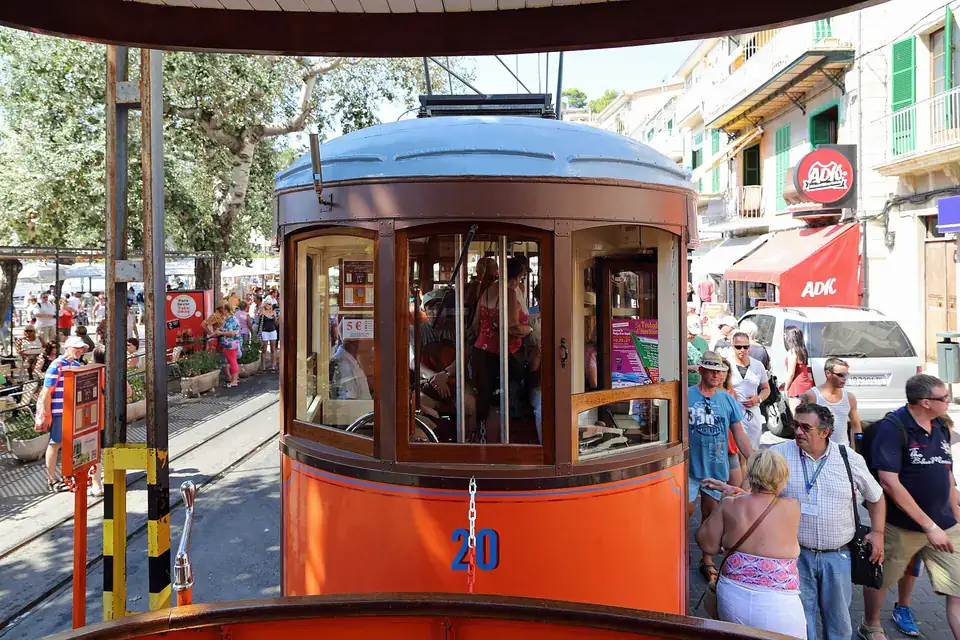
Mallorca Grand Tour: Valldemossa, Sóller tram and boat to Sa Calobra
Full day through the Tramuntana: Valldemossa village, the historic Sóller tram and a boat crossing to Sa Calobra, returning by road.
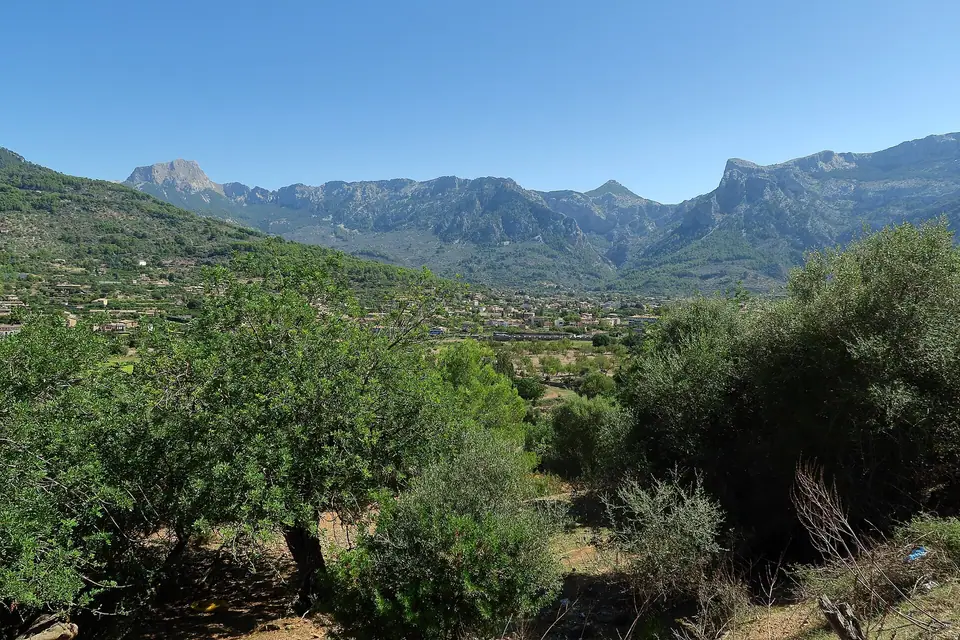
Historic Palma–Sóller train and tram
Ride century-old wooden carriages from Palma to Sóller, with an optional tram continuing to the port.
Can you drive? The Sa Calobra road
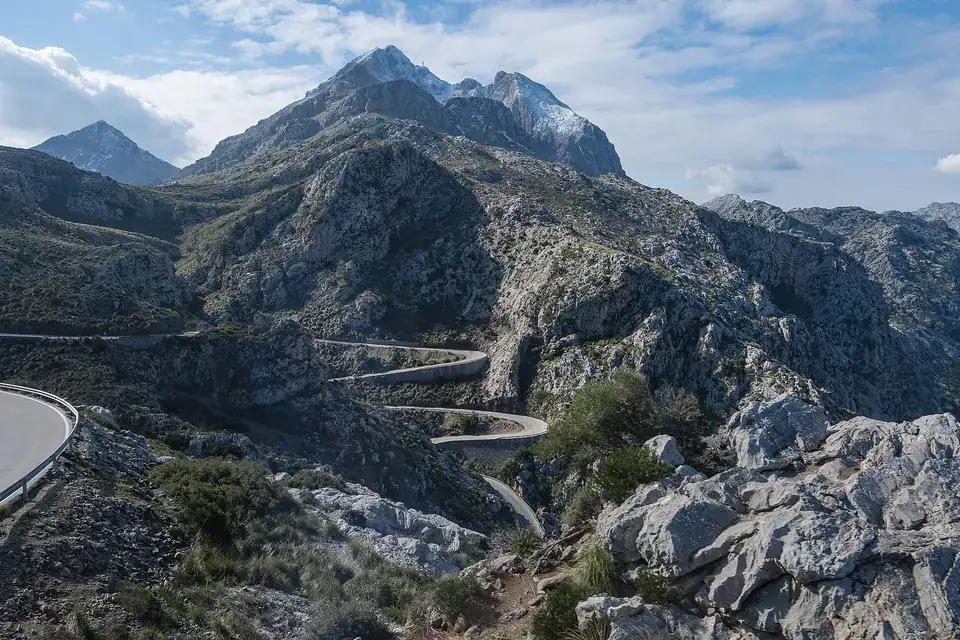
Yes. The road down to Sa Calobra is famous for its tight hairpins and for the Nus de sa Corbata, a bend that loops under itself. It is narrow and shared by cars, coaches and cyclists. If you are not used to mountain roads, the boat or an organised trip is the better choice.
If you drive, set off early: before the coaches arrive the descent is calmer and parking is easier to find. Take water, as the heat at the bottom of the valley is intense in summer, and allow plenty of time for the climb back up.
Hiking the Torrent de Pareis, with a guide
For active travellers, the most spectacular way to reach Sa Calobra is down the Torrent de Pareis from inside the mountains. Zig Zag Mallorca offers a guided route of about five hours, with roughly three in the gorge bed itself; other companies run six- or seven-hour versions.
This is not a stroll. You need to be fit, comfortable scrambling over boulders and ready for the route to depend on rain: after heavy rainfall it does not go ahead. Our listing rates the effort as high and it is not suitable for young children. Prices vary widely between operators, so compare what each includes, especially the return transport.
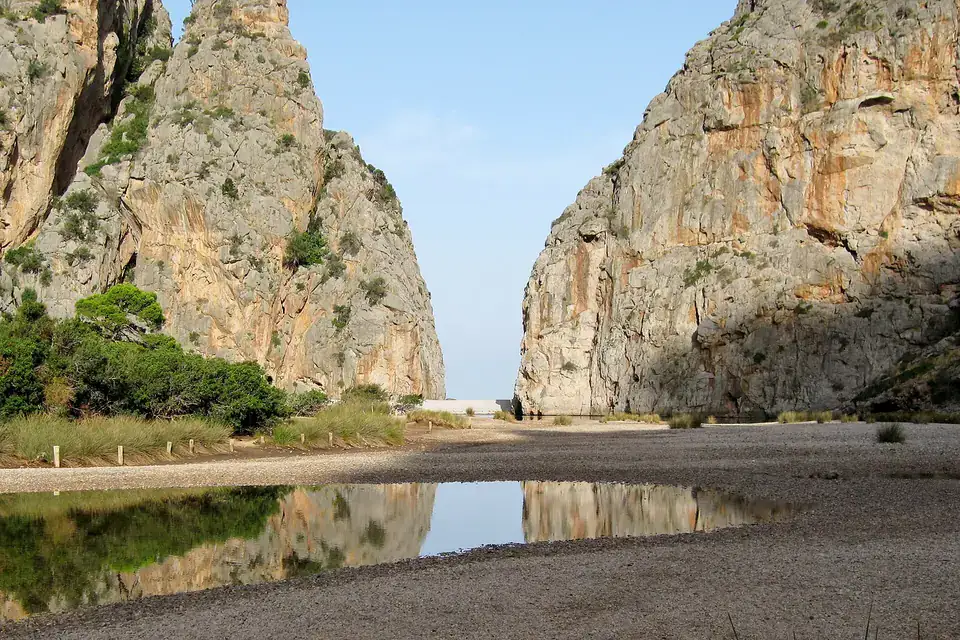
Torrent de Pareis guided hike
Guided hike through the Torrent de Pareis gorge, from Escorca to the mouth, for good fitness.
Sa Calobra by bike: Mallorca's most famous climb
The climb out of Sa Calobra is a road-cycling classic. Sportive Breaks runs guided weeks with a support van that include Sa Calobra and Puig Major, and recommends climbing early or late to avoid the coaches. It is a weekly package, not a single-day ride.
If you prefer to ride on your own, Huerzeler rents road bikes from its Playa de Muro station, open in 2026 from 13 February to 1 November. From there Sa Calobra is about 55 kilometres away; third-party sources mention return transport to shorten the day. Remember that the descent is as demanding as the climb: check your brakes and take the bends carefully.
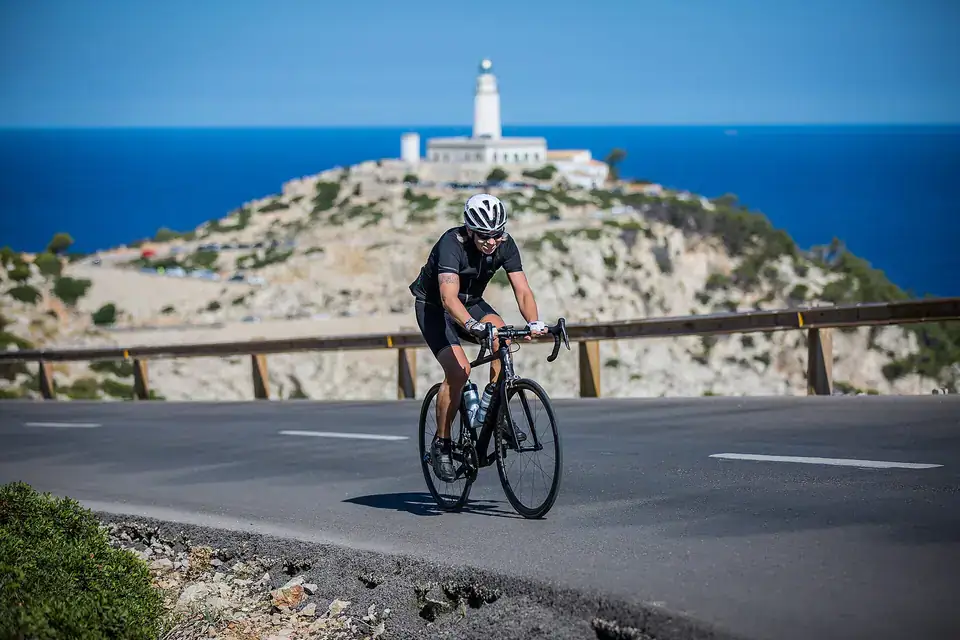
Guided road cycling week (Sa Calobra and Puig Major)
A week of guided road rides in small groups with a ride leader and support van, including Sa Calobra and Puig Major.
Closed on Saturdays and Sundays according to Google
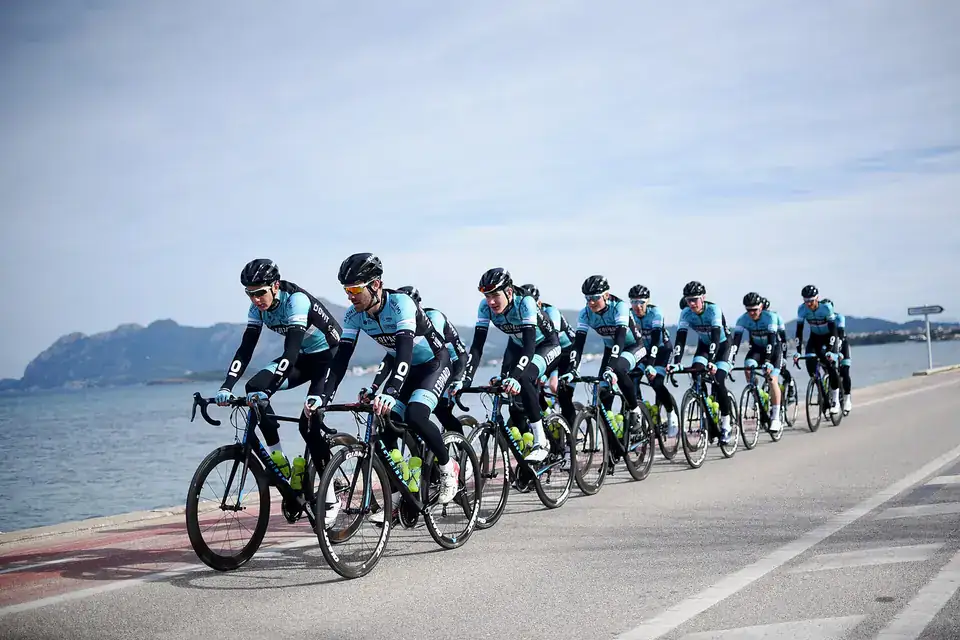
Road bike rental in Playa de Muro (Huerzeler)
Road and e-road bike rental station on the Playa de Muro promenade, a launch point for Sa Calobra and Formentor.
What to bring and what to do when you arrive
From the jetty and restaurant area, a footpath through tunnels cut into the rock leads in a few minutes to the mouth of the Torrent de Pareis. The beach there is pebbly, so water shoes help.
Bring plenty of water, sun cream and a hat: the valley floor traps heat and there is little shade at midday. On the boat, a windproof layer helps for the return. For photos without crowds, walk to the gorge as soon as you arrive, before the next boat or coach load spreads out.
When to go and what to combine nearby
May, June, September and early October are the best months: the boat is running, the water is pleasant and there are fewer people than in August. In summer, the first boat or the first hour by car makes all the difference. In winter the boat does not run, but the road stays open and the place is almost empty.
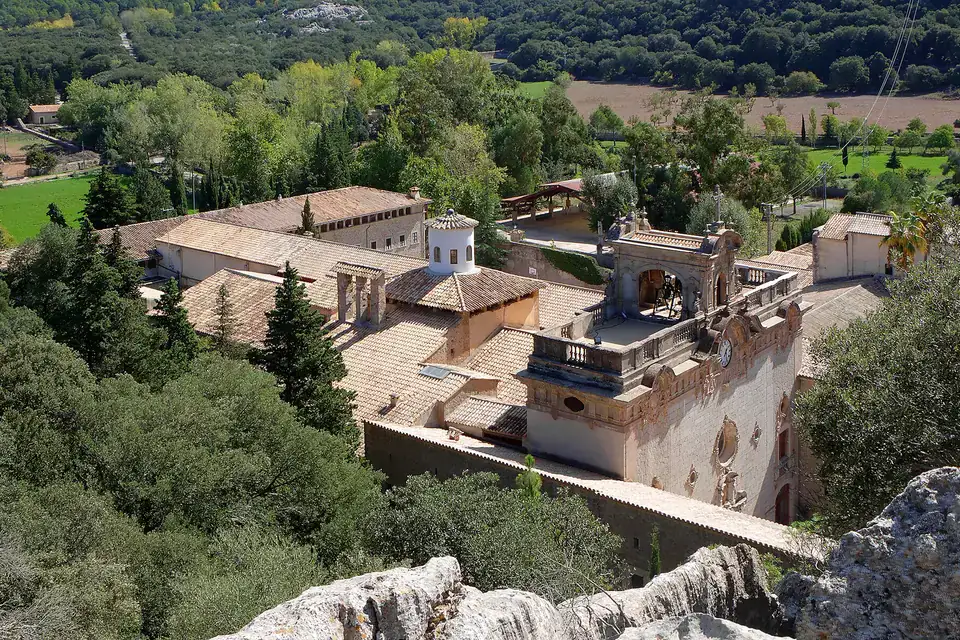
On the same mountain road is the Santuari de Lluc, with a free church and gardens and a museum that costs 8 euros according to a 2026 listing. To see Sa Calobra from the air, Helicopter Centre Mallorca's one-hour flight from Son Bonet takes in Sa Calobra, the Gorg Blau reservoir, Lluc and Andratx.
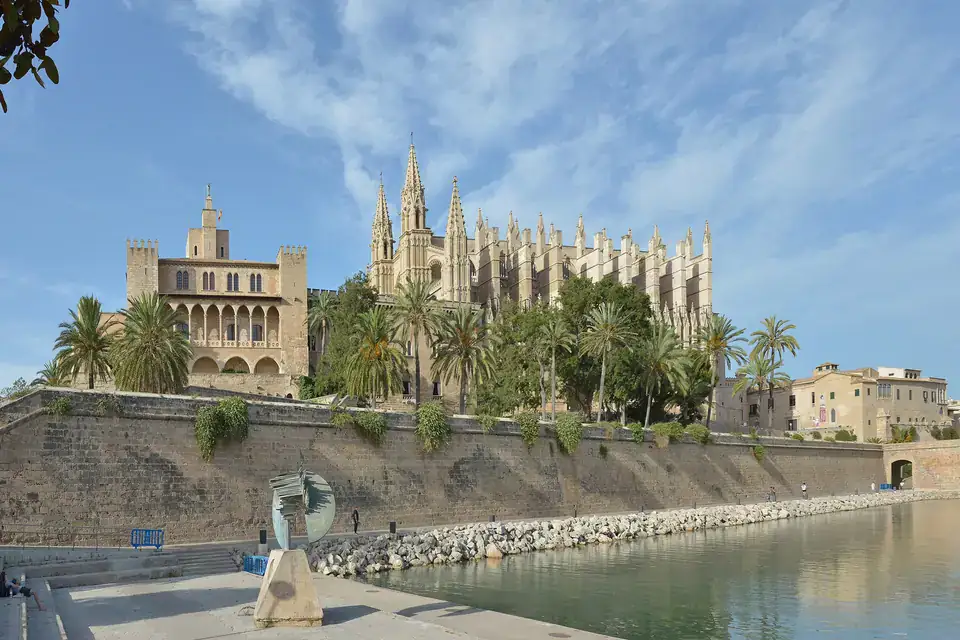
Helicopter flight over Palma and the Tramuntana
Scenic flights from Son Bonet: from minutes over Palma to an hour reaching Sóller, Sa Calobra, Lluc or Andratx.
Frequently asked questions
How long is the boat from Port de Sóller to Sa Calobra?
The trip we list takes about two and a half hours in total, with a swim stop. The time ashore at Sa Calobra is not stated, so ask when buying your ticket.
Is there a boat to Sa Calobra in winter?
According to our listing, the boat runs from April to October. Outside that season you can only get there by road or on foot.
Is the Sa Calobra road dangerous?
It is not dangerous if you drive slowly, but it is narrow, with very tight bends and coach and cycle traffic. If you are not comfortable, the boat from Port de Sóller or an organised trip are better options.
Can you hike the Torrent de Pareis without a guide?
Some people do, but it requires experience on gorge terrain and depends on rainfall. If you do not know the route, go with a guide; the guided trips we list last five to seven hours.
Is Sa Calobra worth it with children?
By boat, yes: it is a comfortable trip with spectacular scenery, and our listing rates it as family-friendly. The road can make children carsick, and hiking the Torrent de Pareis is not for them.
Seasonal newsletter
Mallorca ideas for every month, in your inbox
What to do, which town to visit and what is at its best, season by season. No filler, and you can unsubscribe in one click.
More guides
- From Palma airport to your hotel: how to get there by bus, taxi, private transfer or hire car
- Almond blossom in Mallorca: when, where and which routes to do in January and February
- Car hire in Mallorca without surprises: insurance, excess, deposit and what to check at pick-up and return
- Boat trips in Mallorca: which one to pick, region by region
- Cabrera boat trip: boats from Colònia de Sant Jordi, how long it takes and what to see
- Catamaran trips in Mallorca: daytime, sunset or glass-bottom
- Cycling in Mallorca: guided bike tours, road bike hire and e-bike routes
- Cycling in Mallorca from February to April: Sa Calobra, Puig Major, Formentor and what to expect
- Caves of Drach: what the visit is like and how it compares with Hams, Artà and Génova
- Dolphin watching in Mallorca: boat trips, sunrise outings and honest expectations
- Private boat trips in Mallorca with a skipper: llaüts, motorboats and yachts by port
- Day trips from Cala Millor: glass-bottom boats, jeep tours, the Caves of Drach and family days out
- Day trips from Cala Ratjada: boats, snorkelling, the Artà caves and tours with pick-up
- Mallorca excursions: which organised day trip to choose and where from
- Mallorca ferry: from the mainland, between the islands (Ibiza, Menorca) and what counts as public service
- Winter festivals in Mallorca, November to February: Dijous Bo, Christmas, Three Kings, Sant Antoni and Sant Sebastià
- Golf in Mallorca: 12 eighteen-hole courses with green fees and seasons
- Jeep safari Mallorca: buggy, quad, jeep and trike tours compared
- Kayaking in Mallorca: guided tours to sea caves, coves and Dragonera
- Things to do in Mallorca with kids: by area and age
- Mallorca in winter, November to February: what is open, what closes and plans that work
- What to do in Mallorca when it rains: indoor ideas by area
- Mallorca without a car: how to get around by bus, train and bike, and which areas work well
- Sunset boat trips in Mallorca: catamaran, yacht, llaüt or kayak, port by port
- Things to see in Mallorca: the must-see sights, area by area
- Dragonera island: getting there by boat from Sant Elm or Port d'Andratx, by kayak or with a guide
- Mallorca by scooter or motorbike: which licence you need, what the rules say and which routes to ride
- Hiking in Mallorca: guided and self-guided walks in the Tramuntana and beyond
- Snorkelling in Mallorca: boat trips, kayak tours and coves by area
- Scuba diving in Mallorca: try dives for beginners and boat dives for certified divers
- The Sóller train: how it works, what it costs and how to combine it with the tram and boat
- Sailing trips in Mallorca: half-day, private and multi-day, port by port
- Mallorca wine tours: where to visit a winery and taste, area by area
- Free and cheap things to do in Mallorca
- Easy, low-effort things to do in Mallorca