Guide
Hiking in Mallorca: guided and self-guided walks in the Tramuntana and beyond
Hiking in Mallorca: the Torrent de Pareis, Camí de s'Arxiduc, GR 221, Castell d'Alaró, Dragonera and easy walks. Best season, guided options and what to bring.
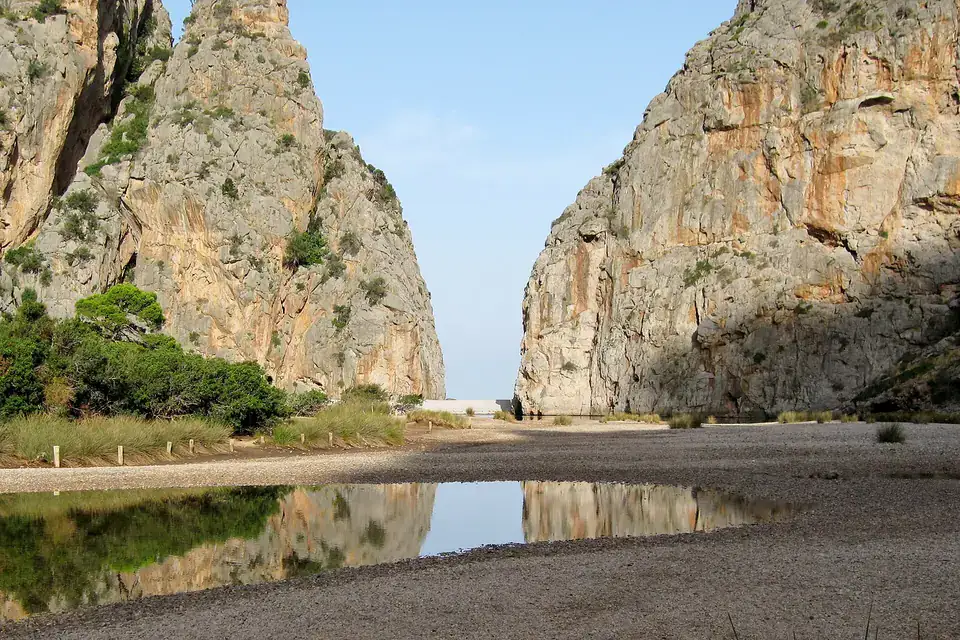
The best area for hiking in Mallorca is the Serra de Tramuntana, the north-west mountain range listed as a UNESCO World Heritage site. The best season runs from October to May, as summer heat makes long routes very hard going. If you do not know the terrain, demanding routes such as the Torrent de Pareis or the Camí de s'Arxiduc are more enjoyable with a guide.
This guide brings together the hiking routes and outings we list on Atlas de Mallorca, from guided gorge walks to flat strolls in nature reserves, with the difficulty, duration and key facts for each. At the end you will find safety advice and a kit list.
When is the best time to hike in Mallorca?
From October to May. In spring the countryside is green and temperatures are mild, and in February the almond trees blossom inland. Autumn brings warm days and lovely light, though also the first heavy rain. In winter, walking is good in the lower and middle mountains, but watch for cold on the summits and short daylight hours.
In July and August heat is the main risk: little shade, lots of exposure and no water on the route. Our listings reflect this: ASI Reisen's GR 221 trip is only offered in March, April, May, September and October, and the Castell d'Alaró listing excludes July and August. If you walk in summer, start at dawn and choose short or shaded routes.
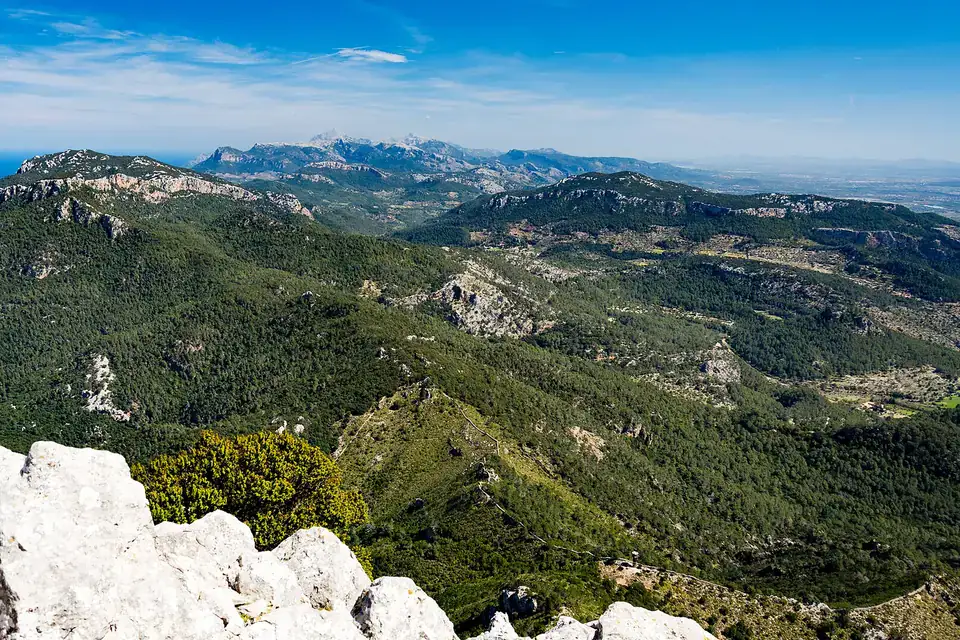
Guided trekking trip: GR 221 highlights (8 days)
8-day guided trip along the most scenic GR 221 sections and Cap de Formentor, six level-3 hikes and three hotel bases.
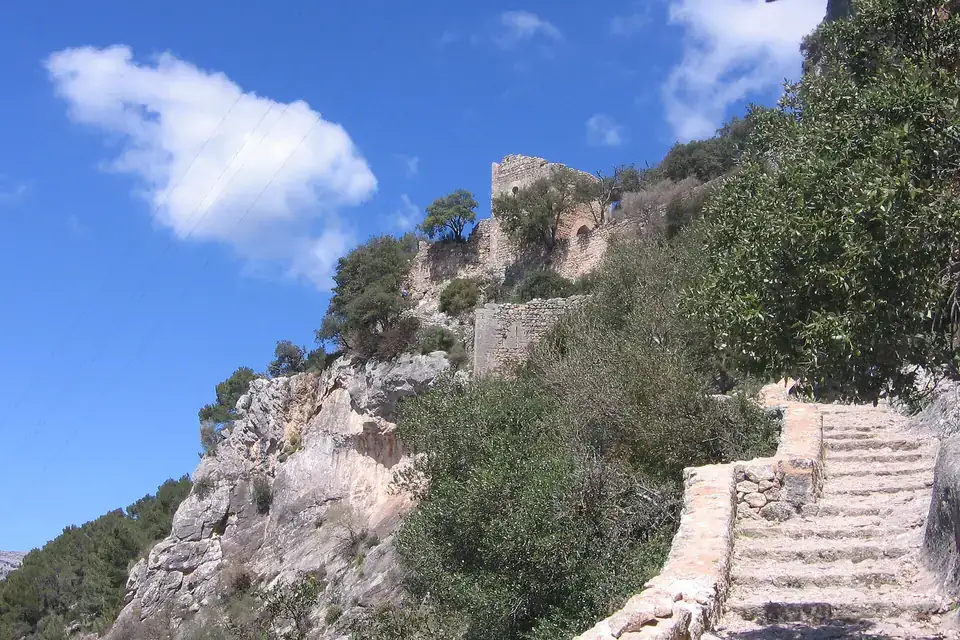
Castell d'Alaró (refugio y Es Verger)
Hike to Castell d'Alaró from Es Verger
Walk up to a hilltop castle with a refuge and chapel at the top, with views over the Raiguer and the plain.
Closed on Tuesdays according to Google
Demanding guided routes in the Tramuntana
The Torrent de Pareis is the island's most famous gorge and ends at Sa Calobra. Zig Zag Mallorca does it in about five hours, with around three in the gorge bed; other companies run six- or seven-hour versions. You need to be fit and comfortable moving over boulders, and the outing depends on rainfall. Prices vary widely between operators.
The Camí de s'Arxiduc above Valldemossa is a ridge route with sea views that is part of the GR 221 network. The guided walk we list lasts about five hours after a safety briefing and starts at 74 euros according to one listing, including guide, photos and video but not transport. Sources rate it as difficult, and part of the route crosses a private estate that may require permission, which is another reason to go with a guide.
According to our listings, neither is suitable for pregnant women, people with reduced mobility or young children.
Torrent de Pareis guided hike
Guided hike through the Torrent de Pareis gorge, from Escorca to the mouth, for good fitness.
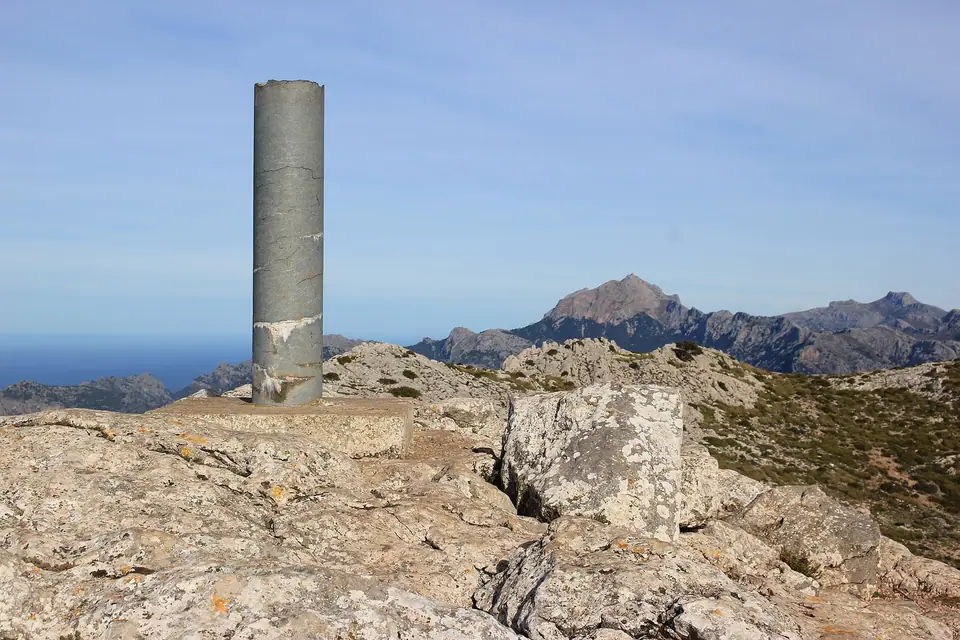
Guía local del Camí de s'Arxiduc (listado en Manawa)
Archduke's Trail guided hike from Valldemossa
Half-day guided hike on the Archduke's Trail leaving from Valldemossa, part of the GR221.
The GR 221 on an organised trip
The GR 221, the Dry Stone Route, crosses the Tramuntana from end to end. Walking all of it independently means planning stages and accommodation. An alternative is a guided trip: ASI Reisen offers eight days covering the GR 221 highlights in groups of 2 to 12, with six walks graded 3 (generally good paths, but you need to be sure-footed), regional lunches and three hotels. It includes Cap de Formentor.
The 2026 page states that flights are included and shows a price from about 2,115 euros, though other versions of the page show 2,090 and 2,075 euros, so check the current figure on the listing. It runs in spring and autumn, which are exactly the good walking months.
Guided trekking trip: GR 221 highlights (8 days)
8-day guided trip along the most scenic GR 221 sections and Cap de Formentor, six level-3 hikes and three hotel bases.
Moderate self-guided walks
The Castell d'Alaró is one of the best half-day walks on the island. The castle can only be reached on foot: from the Es Verger estate a guide estimates about 45 minutes up a well-kept path, and from Alaró or Orient there are circular routes of 7 to 8 kilometres taking about three hours. At the top is a refuge with a chapel serving coffee and sandwiches, and hot meals if you order ahead. Some stretches have loose gravel, so wear sturdy shoes.
Sa Dragonera is another option, with sea all around. The Sa Calma Boats crossing from Sant Elm takes about 15 minutes, and the uninhabited island, a nature reserve, has paths to explore. Inland, the Santuari de Lluc is a base for walks in the surrounding hills, and the Santuari de Cura on top of Puig de Randa rewards the climb with views over the central plain.
Castell d'Alaró (refugio y Es Verger)
Hike to Castell d'Alaró from Es Verger
Walk up to a hilltop castle with a refuge and chapel at the top, with views over the Raiguer and the plain.
Closed on Tuesdays according to Google
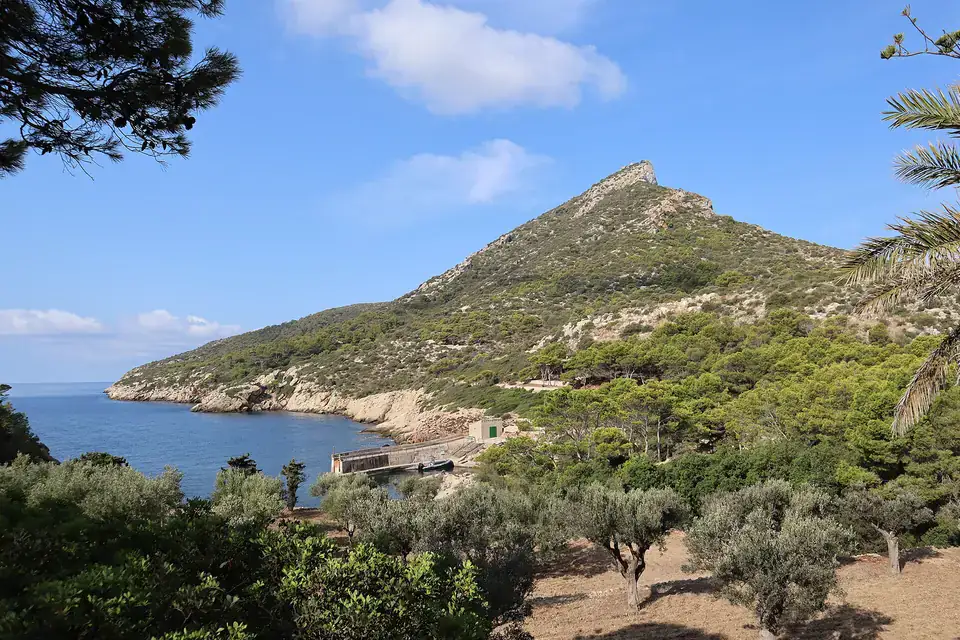
Boat to Sa Dragonera from Sant Elm
Short crossing from the Sant Elm pier to the Sa Dragonera natural park, around 15 minutes.
Closed on Mondays according to Google
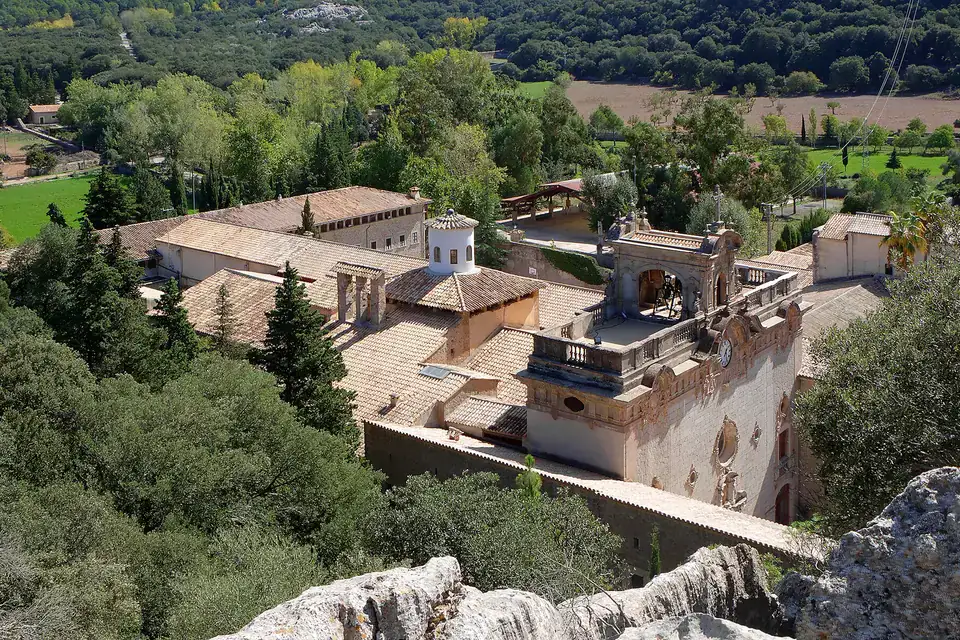
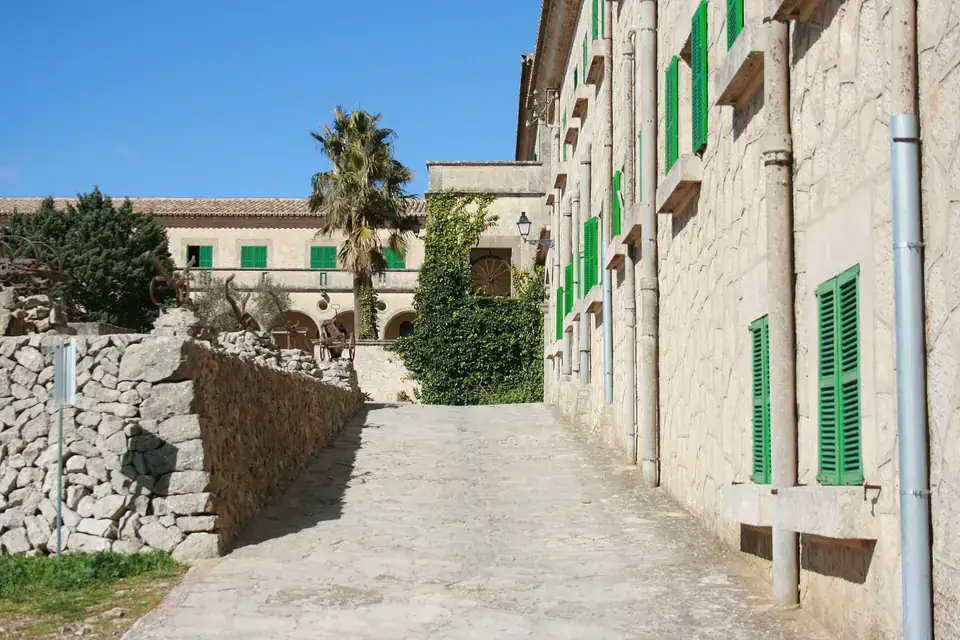
Santuari de Cura and Ramon Llull museum (Randa)
Stone courtyard, chapel and a small museum on Ramon Llull and Franciscan missions atop Randa.
Easy walks and nature: Mondragó and s'Albufera
If you want something flat, the Parc Natural de Mondragó in Santanyí has easy trails of 15 to 60 minutes between coves and pine woods, according to the regional government website. Guided visits are free and booked by phone, and a Joelette all-terrain wheelchair can be borrowed with three weeks' notice. Parking is paid, according to one guide.
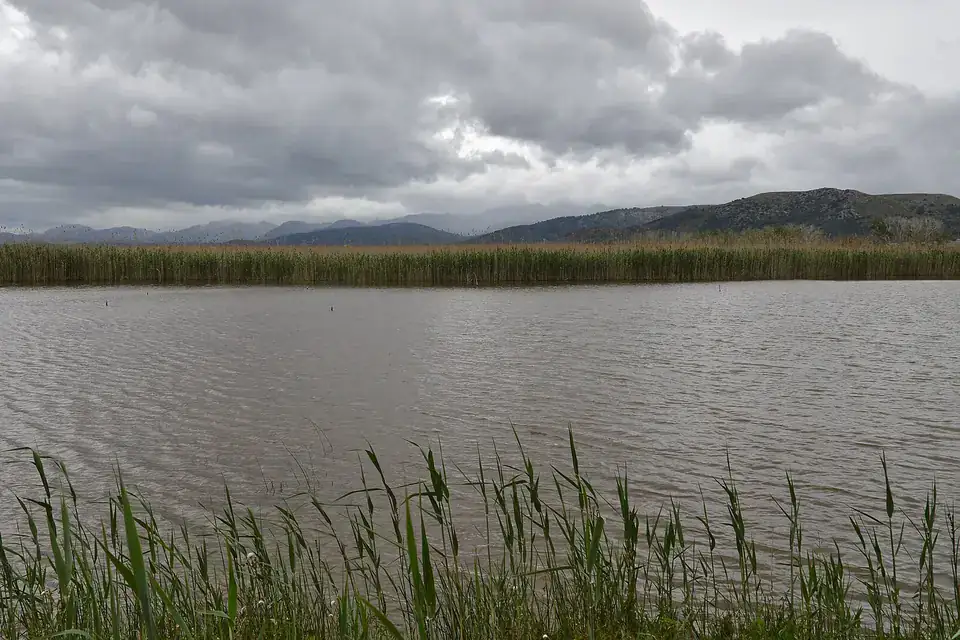
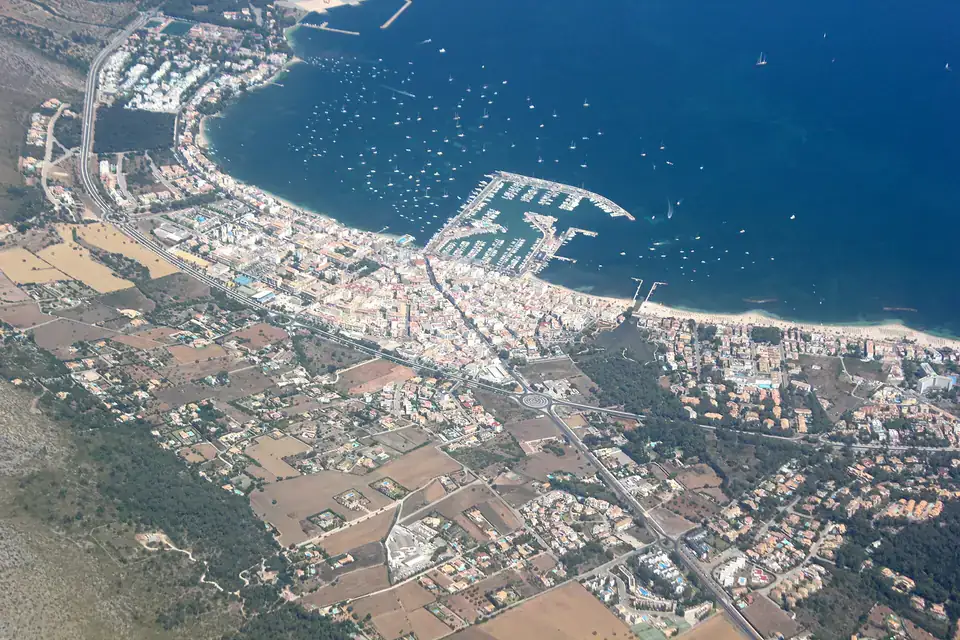
In the north, the Parc Natural de s'Albufera between Muro and Sa Pobla is the island's main wetland. Entry is free with prior registration, and there are walks with a park ranger on Saturday mornings. For birdwatchers, Naturetrek runs eight-day trips with a specialist guide and accommodation near Port de Pollença, including slow-paced and beginner versions; prices are published in pounds.
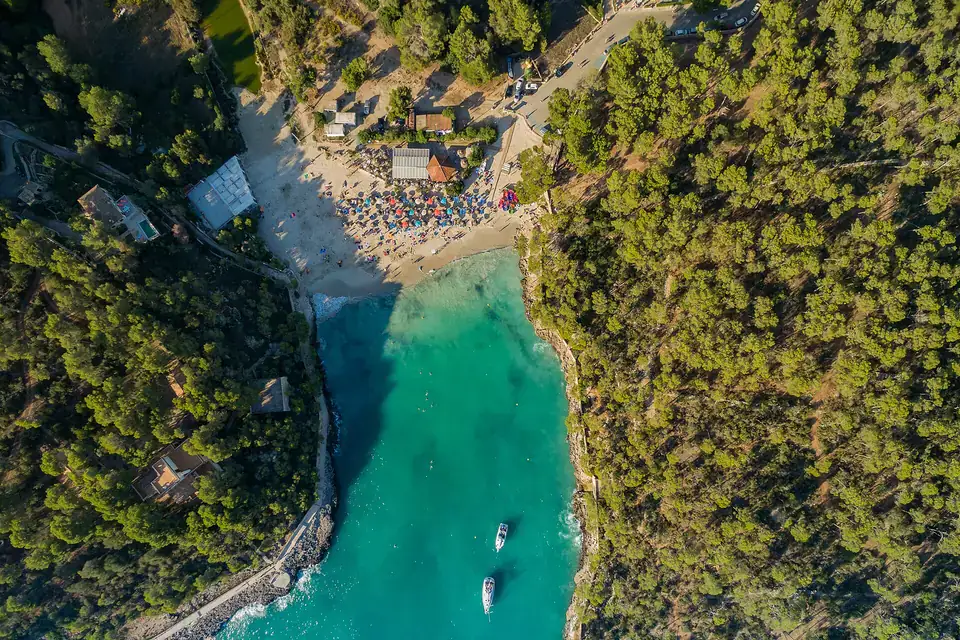
Parc Natural de Mondragó (Govern de les Illes Balears)
Mondragó Natural Park
Natural park in Santanyí with five short marked trails and free guided visits by appointment.
Parc Natural de s'Albufera (Govern de les Illes Balears)
S'Albufera Natural Park: ranger-led visit
Bird wetland on the Bay of Alcudia, free entry with registration and guided outings on Saturday mornings.
Birdwatching week in north-east Mallorca
8-day guided tour of the north-east's best bird sites, based near Puerto Pollensa; a slower-paced version exists.
Hiking with children in Mallorca
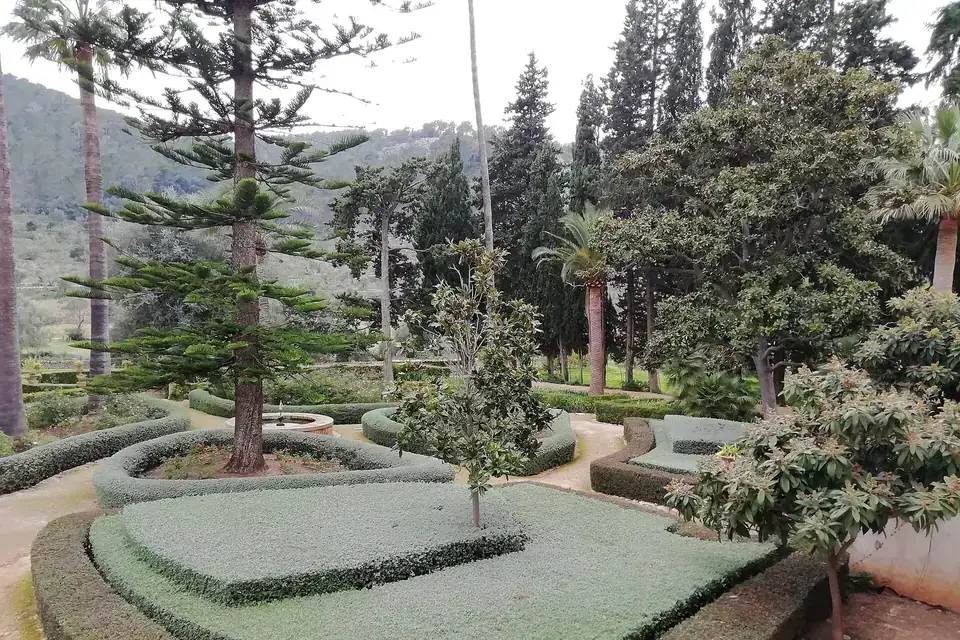
With children, choose short routes with a reward at the end. Mondragó combines an easy walk with a cove to swim in; our listing gives it top marks for families. The climb to the Castell d'Alaró from Es Verger, about 45 minutes, is manageable for children used to walking, with the castle and refuge as the prize. The Raixa estate in Bunyola offers a gentle stroll through gardens, free to enter according to recent guides.
Save the Torrent de Pareis and the Camí de s'Arxiduc for when they are older. And always allow twice as many breaks as you would take on your own.
Parc Natural de Mondragó (Govern de les Illes Balears)
Mondragó Natural Park
Natural park in Santanyí with five short marked trails and free guided visits by appointment.
Castell d'Alaró (refugio y Es Verger)
Hike to Castell d'Alaró from Es Verger
Walk up to a hilltop castle with a refuge and chapel at the top, with views over the Raiguer and the plain.
Closed on Tuesdays according to Google
Raixa estate and gardens (Bunyola)
Self-guided visit to a historic estate with house, gardens and audio guide; free entry and its own parking.
Closed on Mondays and Sundays according to Google
Safety and what to bring
Carry more water than you think you need, as there are hardly any reliable springs in the mountains. Add a cap, sun cream, hiking boots with good grip, a warm layer and some food. Download the route map before you set off, as signal drops out in gorges and valleys.
Check the forecast: after heavy rain, gorges become dangerous and rocky paths turn slippery. Respect private estates and access signs, as several Tramuntana paths cross private land. Tell someone your route and return time, and remember that the emergency number is 112.
Frequently asked questions
What is the most famous hike in Mallorca?
The Torrent de Pareis, a gorge that ends at Sa Calobra. It is demanding, takes five to seven hours depending on the operator and depends on rainfall. If you have no gorge experience, go with a guide.
Can you hike in Mallorca in summer?
You can, but carefully. Set off at dawn, choose short or shaded routes and carry plenty of water. Many guided walks and hiking holidays do not run in July and August because of the heat.
Which easy route do you recommend for a first day?
The climb to the Castell d'Alaró from Es Verger, about 45 minutes, with a refuge and views at the top. If you prefer flat ground, the 15- to 60-minute trails in the Parc Natural de Mondragó.
Do you need a guide for the Camí de s'Arxiduc?
It is not compulsory, but sources rate it as difficult and recommend a guide if you lack experience. Part of the route also crosses a private estate that may require permission. The guided walk we list starts at 74 euros, excluding transport.
Where should you stay for hiking in Mallorca?
In the Tramuntana: Sóller, Valldemossa, Deià or Pollença put you close to the main routes. For birdwatching and flat walks, the Port de Pollença and Alcúdia area, near s'Albufera.
Seasonal newsletter
Mallorca ideas for every month, in your inbox
What to do, which town to visit and what is at its best, season by season. No filler, and you can unsubscribe in one click.
More guides
- From Palma airport to your hotel: how to get there by bus, taxi, private transfer or hire car
- Almond blossom in Mallorca: when, where and which routes to do in January and February
- Car hire in Mallorca without surprises: insurance, excess, deposit and what to check at pick-up and return
- Boat trips in Mallorca: which one to pick, region by region
- Cabrera boat trip: boats from Colònia de Sant Jordi, how long it takes and what to see
- Catamaran trips in Mallorca: daytime, sunset or glass-bottom
- Cycling in Mallorca: guided bike tours, road bike hire and e-bike routes
- Cycling in Mallorca from February to April: Sa Calobra, Puig Major, Formentor and what to expect
- Caves of Drach: what the visit is like and how it compares with Hams, Artà and Génova
- Dolphin watching in Mallorca: boat trips, sunrise outings and honest expectations
- Private boat trips in Mallorca with a skipper: llaüts, motorboats and yachts by port
- Day trips from Cala Millor: glass-bottom boats, jeep tours, the Caves of Drach and family days out
- Day trips from Cala Ratjada: boats, snorkelling, the Artà caves and tours with pick-up
- Mallorca excursions: which organised day trip to choose and where from
- Mallorca ferry: from the mainland, between the islands (Ibiza, Menorca) and what counts as public service
- Winter festivals in Mallorca, November to February: Dijous Bo, Christmas, Three Kings, Sant Antoni and Sant Sebastià
- Golf in Mallorca: 12 eighteen-hole courses with green fees and seasons
- Jeep safari Mallorca: buggy, quad, jeep and trike tours compared
- Kayaking in Mallorca: guided tours to sea caves, coves and Dragonera
- Things to do in Mallorca with kids: by area and age
- Mallorca in winter, November to February: what is open, what closes and plans that work
- What to do in Mallorca when it rains: indoor ideas by area
- Mallorca without a car: how to get around by bus, train and bike, and which areas work well
- Sunset boat trips in Mallorca: catamaran, yacht, llaüt or kayak, port by port
- Things to see in Mallorca: the must-see sights, area by area
- Sa Calobra by boat from Port de Sóller, and the other ways to get there
- Dragonera island: getting there by boat from Sant Elm or Port d'Andratx, by kayak or with a guide
- Mallorca by scooter or motorbike: which licence you need, what the rules say and which routes to ride
- Snorkelling in Mallorca: boat trips, kayak tours and coves by area
- Scuba diving in Mallorca: try dives for beginners and boat dives for certified divers
- The Sóller train: how it works, what it costs and how to combine it with the tram and boat
- Sailing trips in Mallorca: half-day, private and multi-day, port by port
- Mallorca wine tours: where to visit a winery and taste, area by area
- Free and cheap things to do in Mallorca
- Easy, low-effort things to do in Mallorca