Guide
Kayaking in Mallorca: guided tours to sea caves, coves and Dragonera
Kayaking in Mallorca: guided sea kayak tours from Sant Elm, Port de Sóller, Cala Sant Vicenç and Cala Romàntica to sea caves and coves, with prices and ages.
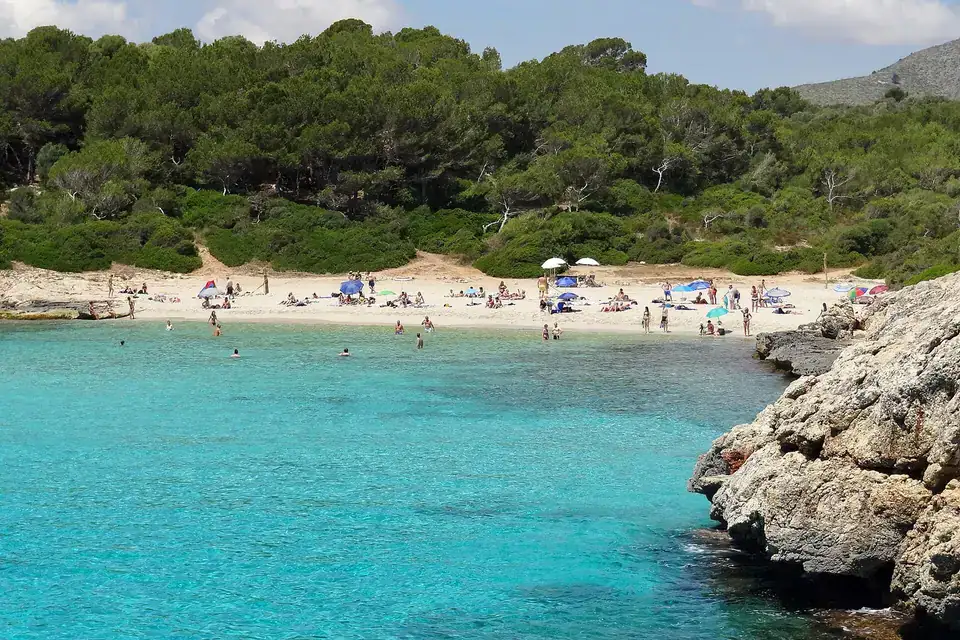
Sea kayaking is the best way to see Mallorca's coastline up close: you reach caves no boat can enter, stop for a swim in coves with no land access and go at your own pace. Almost all the guided tours in our directory last between two and a half and four hours, include a life jacket and often snorkelling gear, and most require no previous experience, although you should be a confident swimmer.
Here we compare kayak tours by area: Sant Elm and Dragonera in the south-west, Port de Sóller and Cala Sant Vicenç in the Tramuntana, Alcúdia in the north, Cala Varques in the east, and Cala Figuera and Cala Blava in the south. At the end you will find the paddleboarding trips, in case you would rather stand on a board.
Which kayak tour should you choose?
If it is your first time, look for a short guided route with frequent stops, such as Cala en Tió from Sant Elm or the coast at Cala Sant Vicenç. If you want something more active, there are kayak and coasteering combos with rock jumps, or the trip to Cala Varques with a helmet and torch for the caves. To end the day, the sunset tour with a picnic is the most relaxed.
With children, check the minimum age: several tours accept them from 6, but the Cala Blava trip requires 16. A double kayak is more stable and lets an adult paddle for both. And if you simply want to see the seabed without effort, the clear-hulled kayak in Cala Figuera can be rented by the hour.
Sant Elm and Dragonera
Keida, based in Sant Elm, runs three guided routes along the south-west coast. The shortest takes about three hours to Cala en Tió, past cliffs and sea caves, from 59 euros. The sunset trip lasts about three and a half hours, with a swim or snorkel and a picnic in a cove as the sun goes down, from 69 euros. Both include kayak, life jacket, dry bag, water shoes and snorkelling gear, and no experience is needed.
The third crosses by kayak to the protected island of Sa Dragonera, continues on foot through the nature park and leaves time for a swim; according to Musement it meets at 10:00 in Plaça de na Caragola in Sant Elm, with guides speaking German, Spanish and English. Its euro price is not in our listings. All routes may change if it is windy.
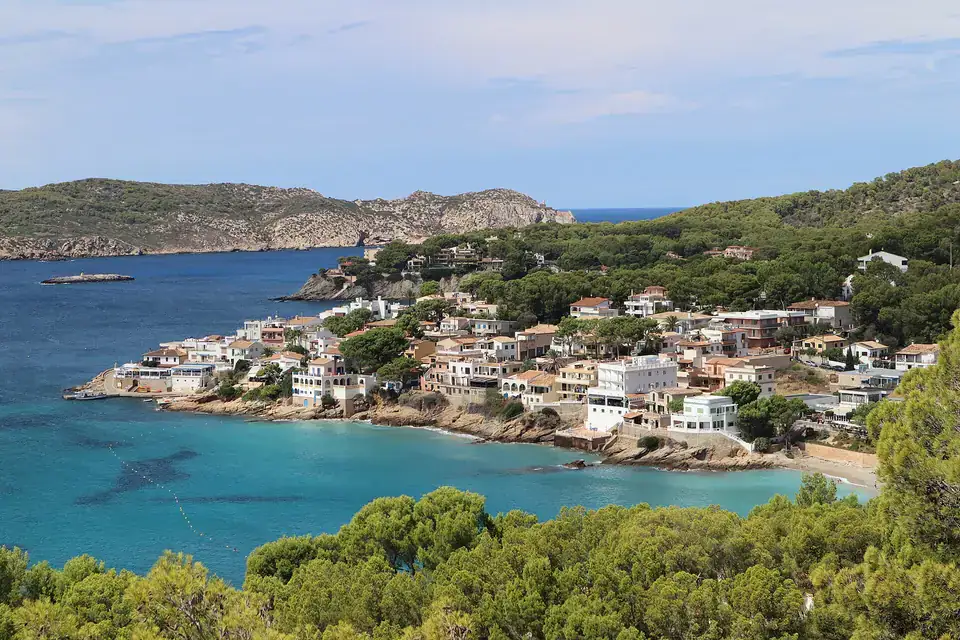
Guided kayak trip from Sant Elm to Cala en Tió with sea caves
A roughly 3-hour kayak trip from Sant Elm along cliffs and sea caves to Cala en Tió, with swimming and snorkelling.
Guided sunset kayak trip with picnic from Sant Elm
A guided kayak trip from Sant Elm at sunset, with a swim or snorkel and a picnic in a cove, in small groups.
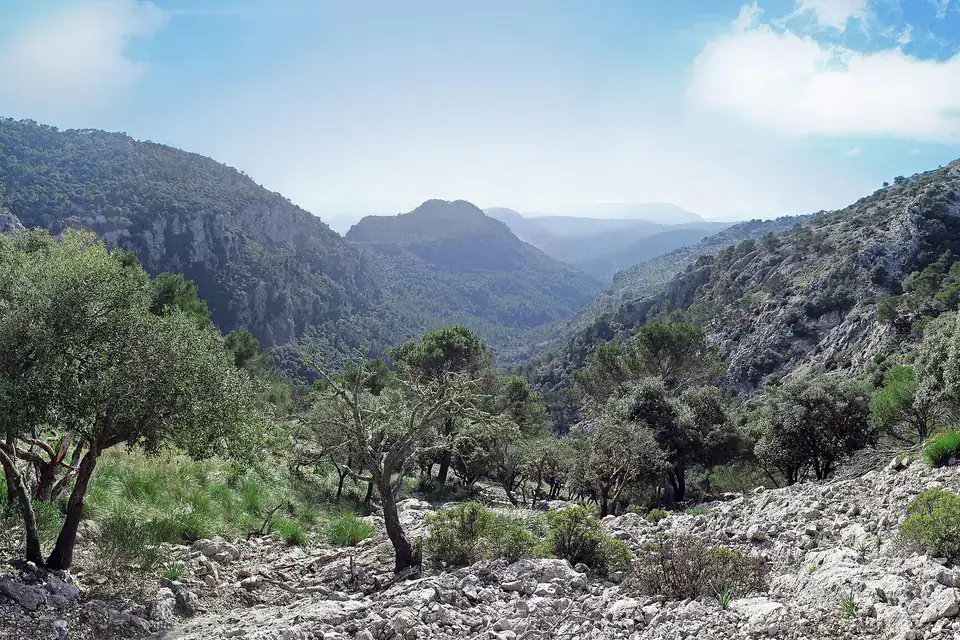
Kayak and hiking trip to Dragonera island from Sant Elm
A kayak crossing from Sant Elm to Dragonera, a walk on the island and time to swim or snorkel.
The Tramuntana and the north: Port de Sóller, Cala Sant Vicenç and Alcúdia
From Port de Sóller, Tramuntana Tours sets off at 10:00 towards Cala Tuent, passes the islet of s'Illeta, stops for a swim and a snack and enters the Vell Marí cave. It takes three and a half to four hours, with a support boat, for 75 euros per person with a minimum of six. The season runs from mid-April to mid-October; no experience is needed, but you must swim well.
In Cala Sant Vicenç (Pollença), Món Aventura leaves Cala Molins for the Blue Cave and corners you can only see from the sea, in about two and a half hours with snorkelling and optional jumps. Its coasteering version lasts three and a half hours and is for confident open-water swimmers. In the Alcúdia area, The Challenge offers three hours exploring sea caves with transfer, picnic and photos, from 67 euros and from age 6, with guides speaking German, English, French and Spanish.
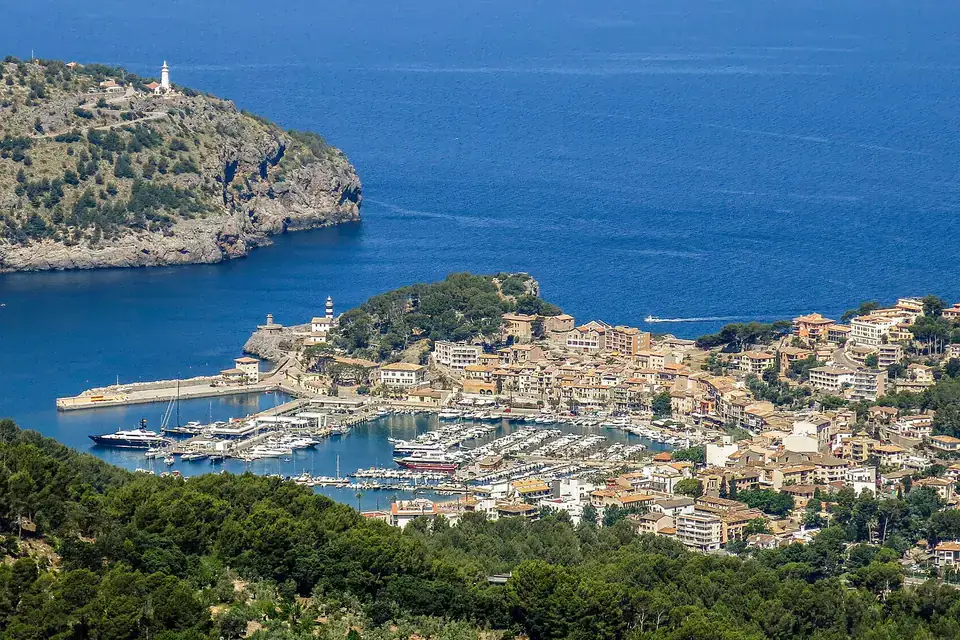
Sea kayaking along the Port de Sóller coast to the Vell Marí cave
Guided 3 h 30 to 4 hour kayak outing with a swim and picnic stop and a cave visit; EUR 75 per person with a minimum of six.
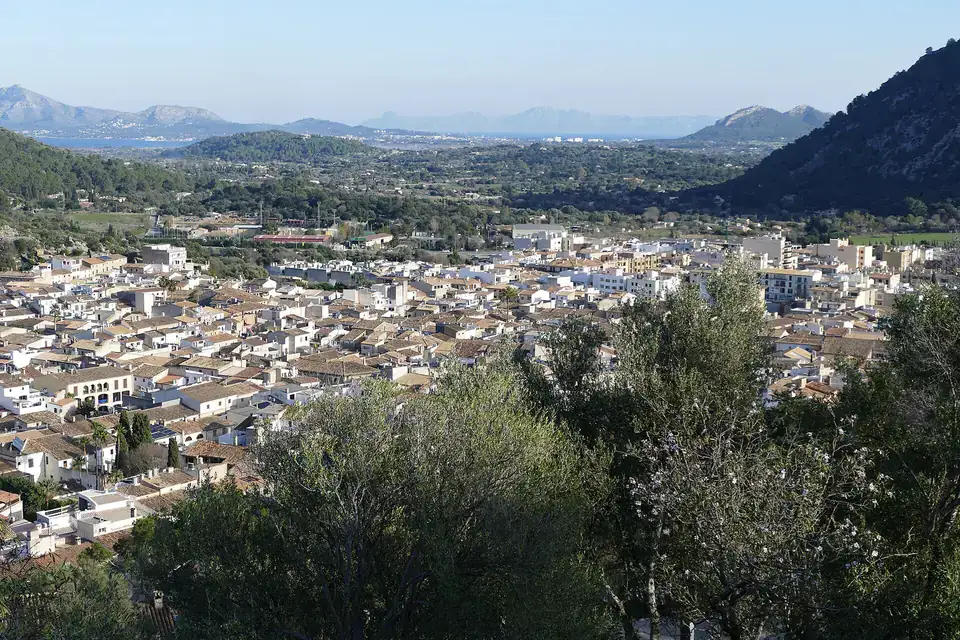
Guided kayak along the Cala Sant Vicenç cliffs
A kayak trip of about two and a half hours from Cala Molins towards caves and hidden coves, with stops to swim and snorkel.
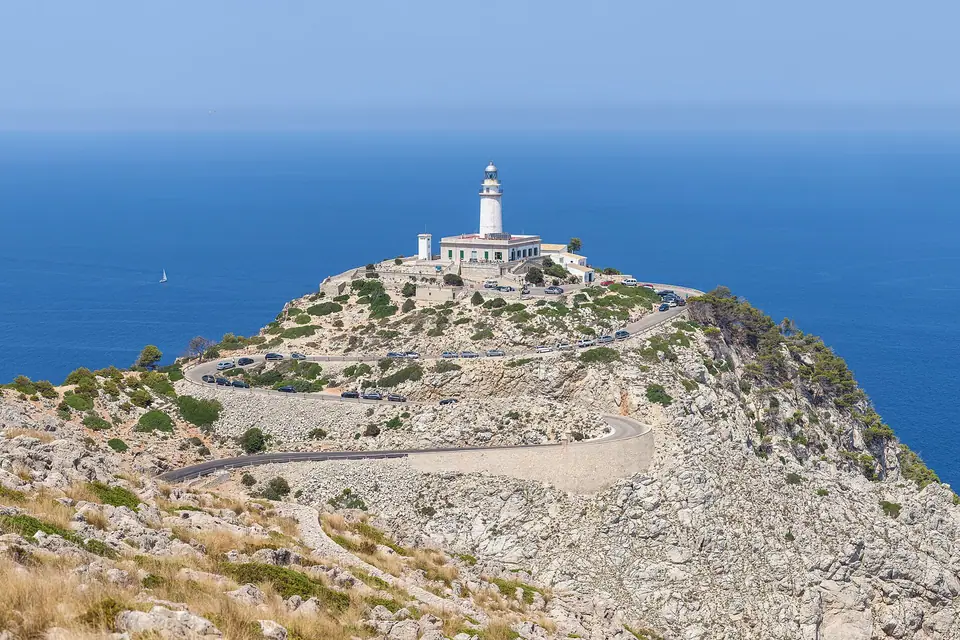
Kayak and coasteering with cliff jumps in Pollença
A combo of about three and a half hours: paddle the Cala Sant Vicenç coast, then land to scramble and jump off the rocks.
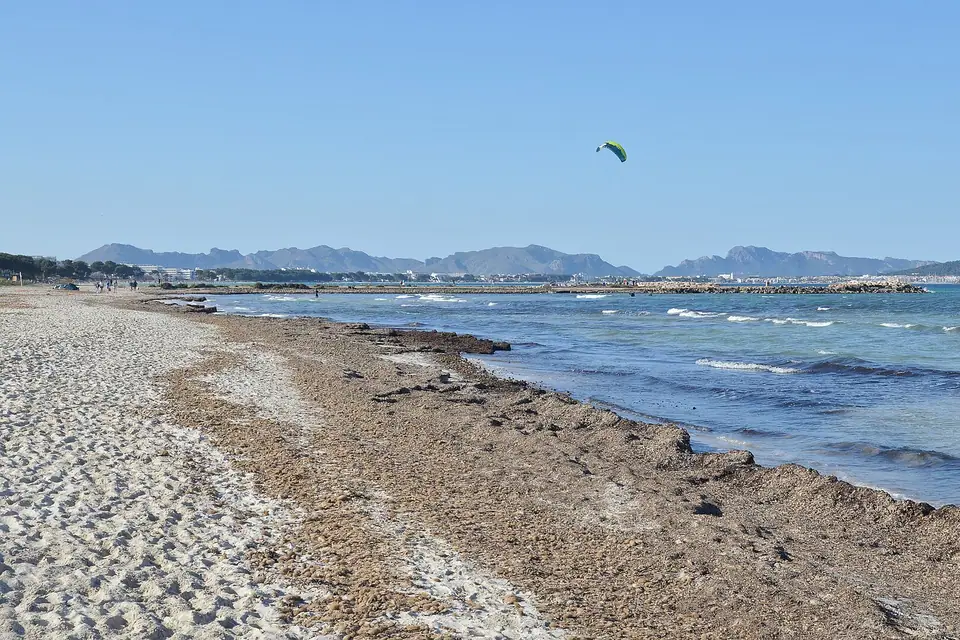
Kayak and snorkelling to sea caves from Alcúdia
About 3-hour kayak trip through north-coast sea caves, with photos and a picnic per the listing.
The east: Cala Varques and the Llevant coast
The most complete route in the east leaves Cala Romàntica (Manacor) for Cala Falcó and the Cala Varques reserve, with its natural arch and several sea caves. The Challenge provides kayak, life jacket, helmet and torch, plus a wetsuit in the cooler months; entering the caves, snorkelling and the cliff jump are optional and depend on the sea. It takes about three hours, from 65 euros and from age 6, with a stretch on foot and a 4x4 ride back.
Roig offers a shorter alternative on the Llevant coast: two hours by kayak or paddleboard with stops at Es Bufador, a hidden cave and Cala Morlanda for snorkelling. It costs from 49 euros and, according to the listing, the same for children, from age 6.
Guided kayak trip to Cala Varques with sea caves and snorkelling
A roughly 3-hour kayak trip from Cala Romàntica to the Cala Varques reserve, with a natural arch, caves and snorkelling.

Kayak, paddle surf and snorkelling on the east coast
About 2-hour activity with stops at Es Bufador, a hidden cave and Cala Morlanda for snorkelling.
The south: Cala Figuera and Cala Blava
In Cala Figuera (Santanyí), Click Mallorca offers kayaking along the coast at 45 euros per person for four hours, according to its website, to paddle to Cala Llombards, Cala Santanyí and the Es Pontàs arch, stopping to swim. In the same harbour, Ocean Charter rents clear-hulled kayaks for seeing fish and rocks without diving: 20 euros an hour for a single and 30 euros for a double. These are the cheapest options in this guide.
Closer to Palma, near Cala Blava (Llucmajor), Click Mallorca runs a three-hour trip at 9:00 with an instructor and support boat, sea caves, snorkelling and a snack, for 66 euros. It is more demanding: no under-16s or pregnant women, you must be able to swim, and transport to the starting point is not included.
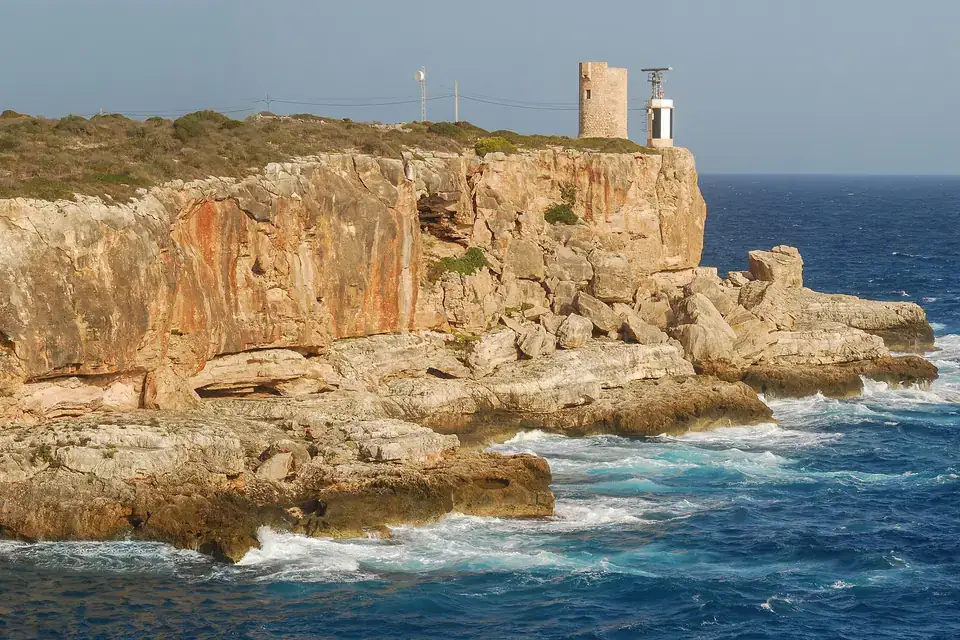
Guided kayak from Cala Figuera to Cala Llombards and Es Pontàs
Paddle along the Santanyí coast from Cala Figuera past Cala Llombards and Cala Santanyí to the Es Pontàs arch.
Transparent kayak in Cala Figuera
A one- to two-hour paddle in a see-through kayak from Cala Figuera to watch fish and seabed without needing to snorkel.
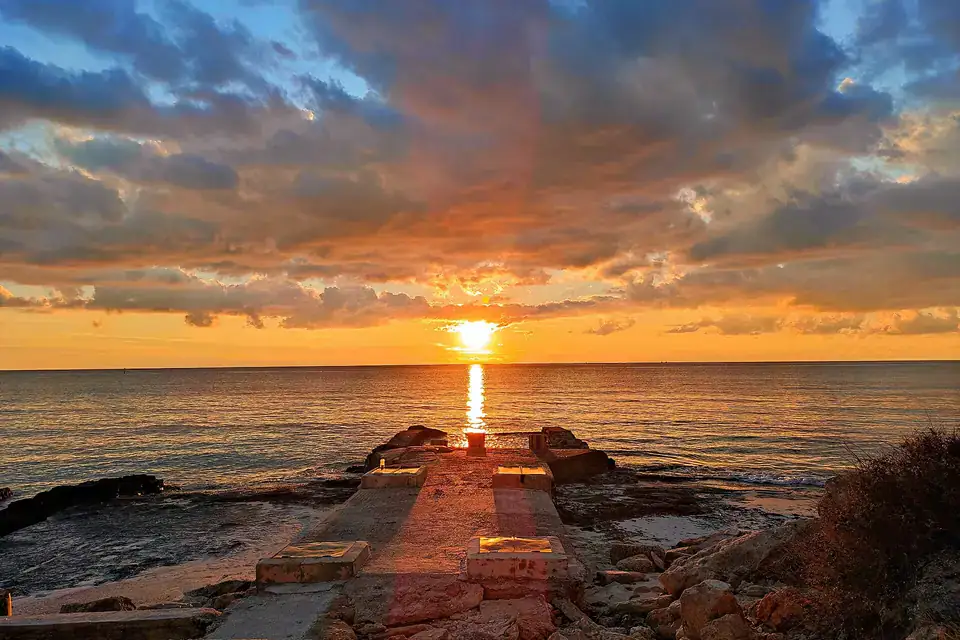
Kayak and snorkelling to sea caves from Cala Blava
A roughly 3-hour (9:00) kayak outing with an instructor and support boat, with sea caves, snorkelling and a snack.
The alternative: stand-up paddleboarding (SUP)
If you would rather stand, paddleboarding also reaches quiet coves. Wind Pirates sets off across Alcúdia Bay to the Alcanada lighthouse in two and a half hours, with a stop on its beach; from 50 euros, from age 12, with board, life jacket, locker, dry bag and photos included.
In Cala Ratjada, SUP Center leaves Cala Agulla (or Cala Gat when it is windy) for an hour and a half of guided paddling with a snorkelling stop, in groups of up to seven; children under 12 can ride on an adult's or the guide's board. There is also a sunset session that returns in the last light. Its euro prices are not in our listings.
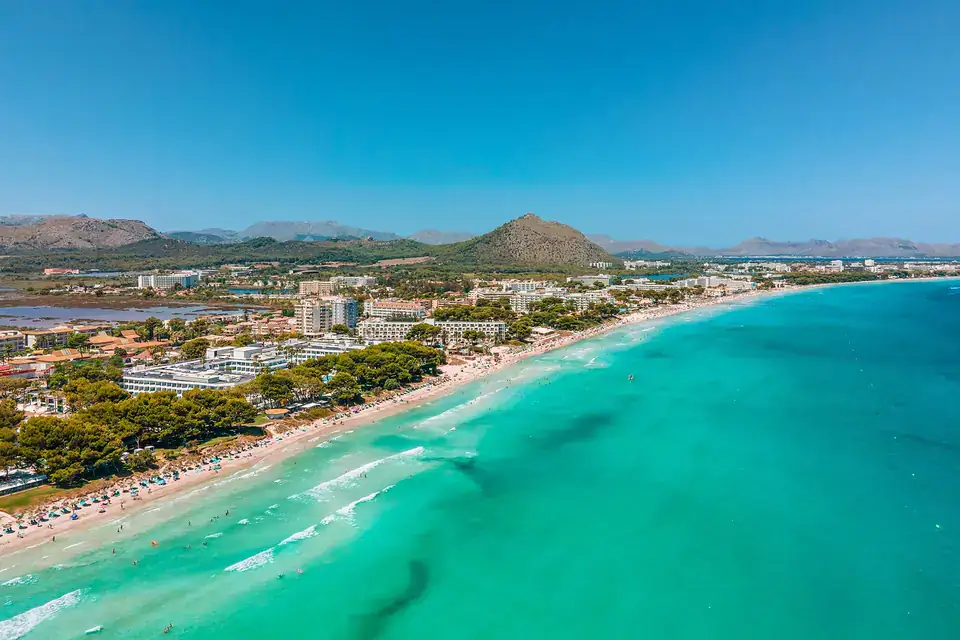
Guided stand-up paddle to Alcanada island
Board outing from Alcúdia bay to the Alcanada lighthouse with a beach stop and optional snorkelling.
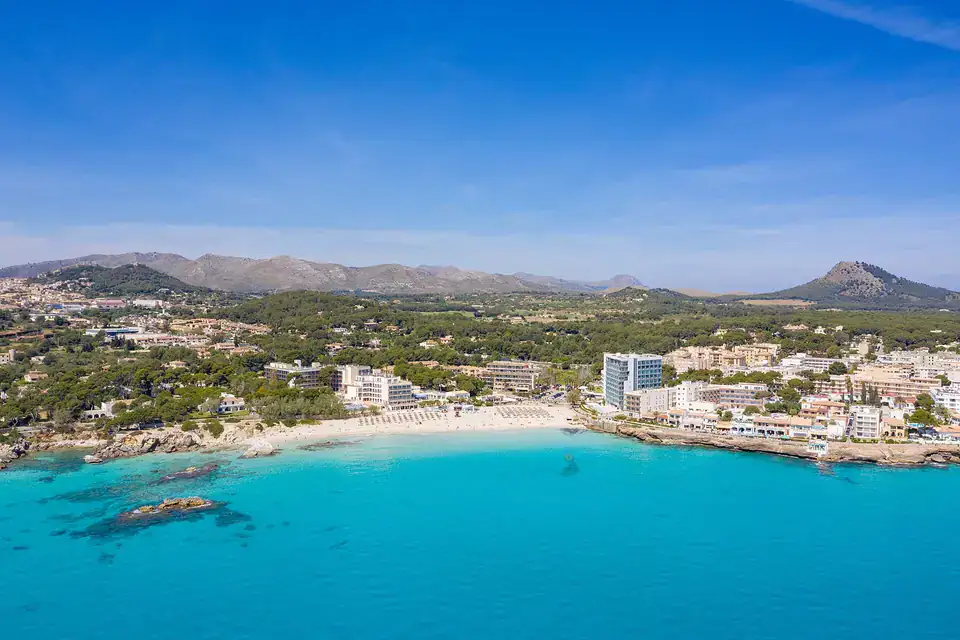
Guided stand-up paddle and snorkel tour in Cala Ratjada
An hour and a half of guided stand-up paddling along the Cala Ratjada coast in groups of up to seven, with a stop to swim and snorkel.
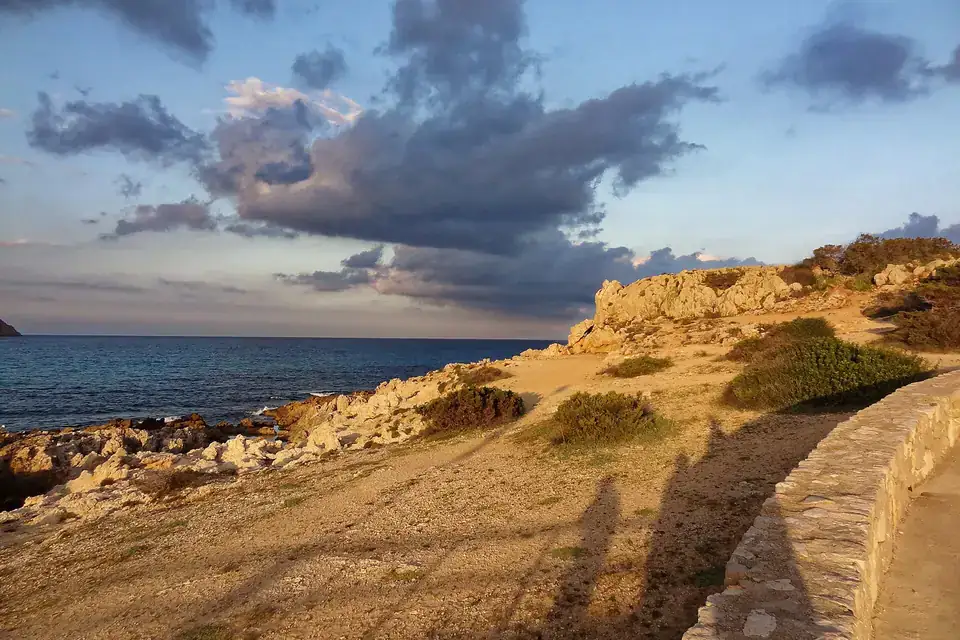
Sunset stand-up paddle at Cala Agulla
An evening stand-up paddle outing from Cala Agulla to watch the sunset from the water, with a swim and a return after dark.
Wind, safety and what to bring
Wind rules kayaking. When the tramontana blows, the north coast and the Tramuntana become difficult and guides change the route or cancel, which is why several operators warn that the starting point or route may vary. The usual season in our listings runs from April or May to October.
Wear swimwear under light clothing and bring a cap, sun cream, water and something to eat if the tour does not include it. Keep your phone and keys in the dry bag. In the caves, wear a helmet if one is provided and do not go in if the guide says there is a swell. If you cannot swim, sea kayaking is not for you: choose a boat trip instead.
Frequently asked questions
Where can you go kayaking in Mallorca?
The best-known routes in our listings are Sant Elm to Cala en Tió or Sa Dragonera, Port de Sóller to the Vell Marí cave, Cala Sant Vicenç to the Blue Cave and Cala Romàntica to Cala Varques. In the south, Cala Figuera to the Es Pontàs arch.
Do you need experience for sea kayaking?
For most guided tours in our listings no previous experience is needed: the guide gives instructions before setting off. What you do need is to swim confidently and be reasonably fit. The coasteering tours and the Cala Blava trip (16 and over) are more demanding.
How much does a kayak tour in Mallorca cost?
In our listings, guided tours range from 49 euros (Roig, Llevant coast) to 75 euros (Port de Sóller, minimum six people). Renting is cheaper: 45 euros for four hours in Cala Figuera or 20 euros an hour for the clear kayak.
Can you go kayaking with children in Mallorca?
Yes. Roig, The Challenge in Alcúdia and the Cala Varques route accept children from 6, and in a double kayak an adult can paddle for the child. The clear kayak in Cala Figuera is the easiest option. Avoid the Cala Blava trip, which is for 16 and over.
Which is better, kayaking or paddleboarding?
A kayak is more stable, covers more distance and can enter caves; a paddleboard is slower and more affected by wind, but quick to learn. For caves and longer routes, kayak; for a calm hour in a bay, paddleboard.
Seasonal newsletter
Mallorca ideas for every month, in your inbox
What to do, which town to visit and what is at its best, season by season. No filler, and you can unsubscribe in one click.
More guides
- From Palma airport to your hotel: how to get there by bus, taxi, private transfer or hire car
- Almond blossom in Mallorca: when, where and which routes to do in January and February
- Car hire in Mallorca without surprises: insurance, excess, deposit and what to check at pick-up and return
- Boat trips in Mallorca: which one to pick, region by region
- Cabrera boat trip: boats from Colònia de Sant Jordi, how long it takes and what to see
- Catamaran trips in Mallorca: daytime, sunset or glass-bottom
- Cycling in Mallorca: guided bike tours, road bike hire and e-bike routes
- Cycling in Mallorca from February to April: Sa Calobra, Puig Major, Formentor and what to expect
- Caves of Drach: what the visit is like and how it compares with Hams, Artà and Génova
- Dolphin watching in Mallorca: boat trips, sunrise outings and honest expectations
- Private boat trips in Mallorca with a skipper: llaüts, motorboats and yachts by port
- Day trips from Cala Millor: glass-bottom boats, jeep tours, the Caves of Drach and family days out
- Day trips from Cala Ratjada: boats, snorkelling, the Artà caves and tours with pick-up
- Mallorca excursions: which organised day trip to choose and where from
- Mallorca ferry: from the mainland, between the islands (Ibiza, Menorca) and what counts as public service
- Winter festivals in Mallorca, November to February: Dijous Bo, Christmas, Three Kings, Sant Antoni and Sant Sebastià
- Golf in Mallorca: 12 eighteen-hole courses with green fees and seasons
- Jeep safari Mallorca: buggy, quad, jeep and trike tours compared
- Things to do in Mallorca with kids: by area and age
- Mallorca in winter, November to February: what is open, what closes and plans that work
- What to do in Mallorca when it rains: indoor ideas by area
- Mallorca without a car: how to get around by bus, train and bike, and which areas work well
- Sunset boat trips in Mallorca: catamaran, yacht, llaüt or kayak, port by port
- Things to see in Mallorca: the must-see sights, area by area
- Sa Calobra by boat from Port de Sóller, and the other ways to get there
- Dragonera island: getting there by boat from Sant Elm or Port d'Andratx, by kayak or with a guide
- Mallorca by scooter or motorbike: which licence you need, what the rules say and which routes to ride
- Hiking in Mallorca: guided and self-guided walks in the Tramuntana and beyond
- Snorkelling in Mallorca: boat trips, kayak tours and coves by area
- Scuba diving in Mallorca: try dives for beginners and boat dives for certified divers
- The Sóller train: how it works, what it costs and how to combine it with the tram and boat
- Sailing trips in Mallorca: half-day, private and multi-day, port by port
- Mallorca wine tours: where to visit a winery and taste, area by area
- Free and cheap things to do in Mallorca
- Easy, low-effort things to do in Mallorca